Word From The Market-Tina Nleya
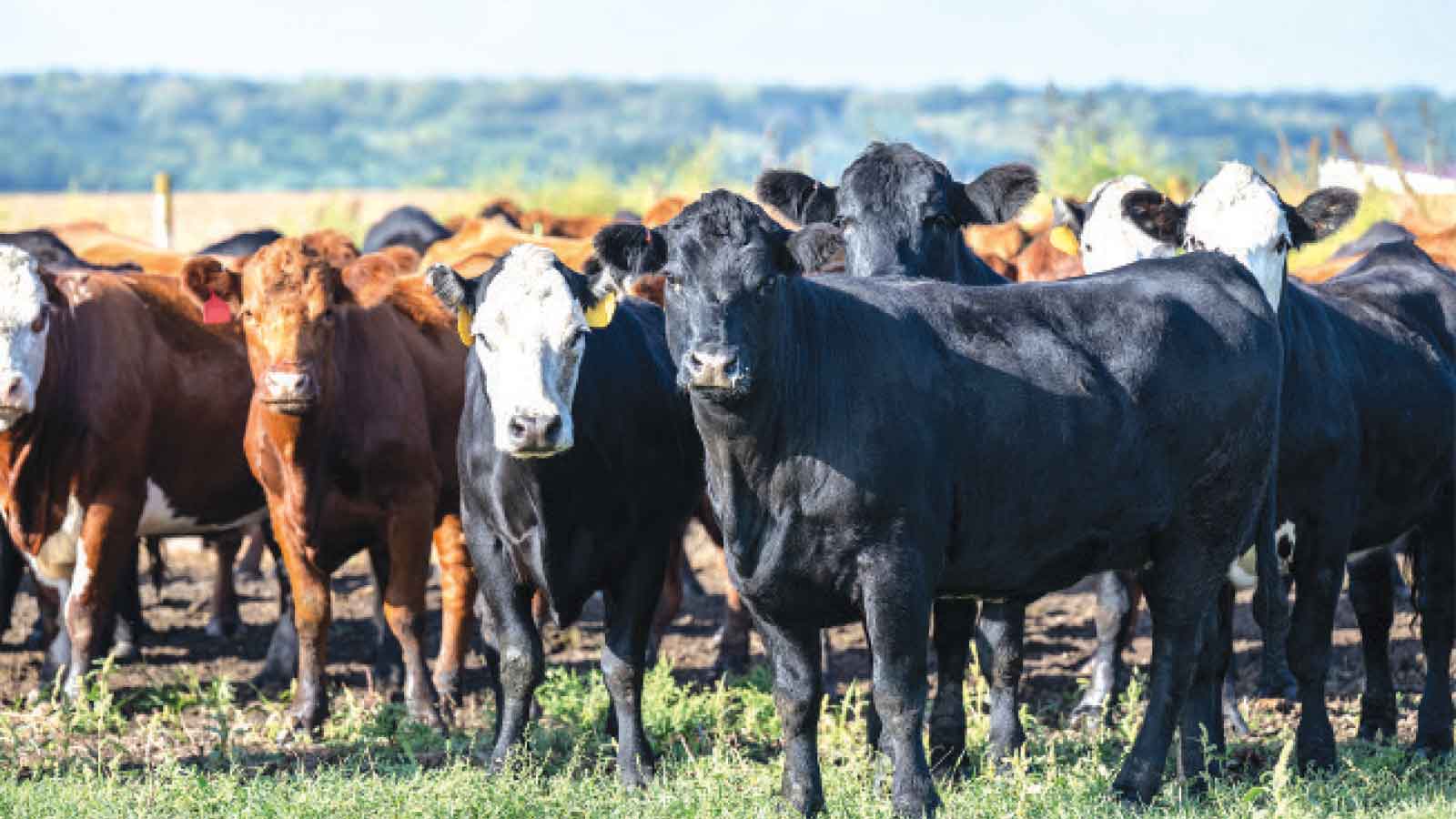
AS Zimbabwe’s agriculture sector continues its transformation towards a more market-oriented and resilient system, the livestock sub-sector remains a critical pillar for rural livelihoods, food security and national economic stability.
However, persistent challenges ranging from stock theft and disease outbreaks to price inefficiencies
continue to undermine its full potential.
In this context, organised livestock marketing emerges not merely as an option, but as a strategic necessity.
Organised livestock marketing refers to structured and regulated systems of buying and selling animals, typically through formal channels such as cattle auctions and licensed or registered buyers.
These systems are designed to enhance transparency, ensure fair pricing, improve traceability and safeguard animal health.
From an agricultural economics perspective, organised markets correct several failures that are prevalent in informal trading systems, particularly information asymmetry, weak bargaining power among producers and externalities such as disease transmission.
One of the most pressing challenges facing Zimbabwe’s livestock sub-sector is the spread of transboundary and local animal diseases, often exacerbated by the unregulated movement of animals.
Informal trading channels frequently bypass veterinary oversight, creating pathways for disease transmission across districts and provinces.
Organised livestock marketing systems, particularly auctions conducted under the supervision of relevant authorities, ensure compliance with veterinary regulations, including animal inspections, movement permits and health certification.
This significantly reduces epidemiological risks and protects both producers and national herd health.
In addition to animal health concerns, stock theft remains a major constraint affecting livestock production and farmer confidence.
The absence of formal documentation in informal markets makes it difficult to trace ownership and verify transactions, thereby creating loopholes for criminal activity.
Organised marketing systems introduce traceability and accountability through proper documentation, registration of buyers and coordination with law-enforcement agencies.
This structured approach acts as a deterrent to stock theft, while enhancing security for farmers.
Equally important is price discovery and farmer welfare.
In informal markets, livestock producers, particularly smallholder farmers, often operate in conditions of imperfect information, where prices are dictated by a limited number of buyers.
This results in significant price distortions and reduced incomes for farmers.
Organised livestock marketing platforms, such as auctions, create competitive environments where multiple buyers participate, leading to more efficient price discovery.
From an economic standpoint, this enhances allocative efficiency and ensures that farmers receive prices that more accurately reflect market conditions.
Moreover, organised markets strengthen farmers’ bargaining power by aggregating supply and creating visibility for their livestock.
This is particularly important as Zimbabwe approaches the winter season, a period traditionally associated with destocking due to limited grazing and increased feed costs.
During such periods, farmers are often compelled to sell livestock under pressure, making them vulnerable to exploitation in informal markets.
Organised marketing systems provide an avenue for orderly destocking, enabling farmers to plan sales strategically and maximise returns.
The Agricultural Marketing Authority (AMA), established under the Agricultural Marketing Authority Act [Chapter 18:24], plays a central role in regulating and promoting the efficient marketing of agricultural products, including livestock.
The Act mandates the authority “to regulate the participation in the production, buying or processing of any agricultural product” and “to promote the proper marketing and fair pricing of any agricultural product produced by any producer”.
These provisions provide a strong legal and institutional framework for the promotion of organised livestock marketing in Zimbabwe.
Furthermore, the Act empowers AMA to coordinate with other statutory bodies and stakeholders to ensure that agricultural marketing systems operate in the national interest and in the economic interest of all participants.
This multi-stakeholder approach is evident in the ongoing efforts to resuscitate cattle auctions across various provinces.
These initiatives involve collaboration with rural district councils, the Department of Veterinary Services, the Zimbabwe Republic Police and other key stakeholders to ensure compliance, transparency and security in livestock marketing.
The re-establishment of cattle auctions is a significant development in strengthening organised livestock marketing systems.
Auctions serve as critical marketing platforms that bring together buyers and sellers in a regulated environment, facilitating efficient transactions.
They also improve market access for farmers.
In addition, they serve as platforms for disseminating market information, enforcing quality standards and promoting best practices in livestock production and marketing.
From a policy perspective, organised livestock marketing aligns with broader national objectives of agricultural commercialisation, value chain development and rural industrialisation.
By improving market efficiency and reducing transaction costs, organised systems contribute to increased investment in the livestock sector.
They also support the development of downstream industries such as meat processing, leather production and export markets, thereby enhancing the sector’s contribution to gross domestic product (GDP).
However, the success of organised livestock marketing depends not only on institutional frameworks, but also on farmer participation and behavioural change.
Farmers must recognise the long-term benefits of selling through formal channels, even in situations where informal markets may appear more convenient.
This requires continuous awareness campaigns, capacity building and the provision of accessible and well-managed marketing platforms.
As the winter season approaches and destocking becomes more prevalent, farmers must remain vigilant and prioritise selling livestock through reputable and registered buyers or organised auction systems.
This not only safeguards their economic interests, but also contributes to the overall stability and sustainability of the livestock sub-sector.
In conclusion, organised livestock marketing represents a critical pathway towards a more efficient, secure and resilient livestock sub-sector in Zimbabwe.
Addressing key challenges related to disease control, stock theft and market inefficiencies, organised livestock marketing creates a win-win scenario for farmers, buyers and the broader economy.
The continued efforts by AMA and its partners to strengthen these systems are both timely and essential, and their success will depend on collective commitment from all stakeholders across the value chain.
Tina Nleya is AMA’s marketing and public relations manager. She can be contacted on email: [email protected]. Word From The Market is a column produced by AMA to promote market-driven production.