Online Reporter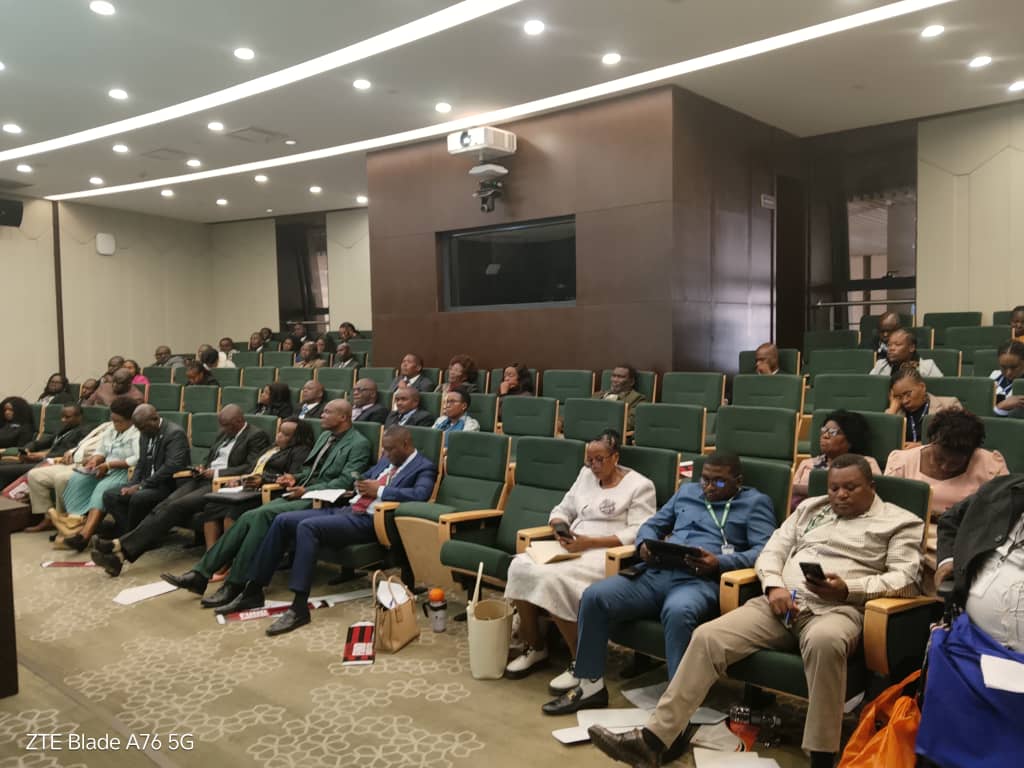
Fortune Makoni, Sunday News Reporter
SOCIO-ECONOMIC hardships, coupled with the rapid expansion of artisanal mining activities in parts of Bubi District are fueling a disturbing rise in sexual exploitation, domestic violence and the abandonment of women and girls, Parliament has heard.
The revelations emerged during a verification visit by the Parliamentary Portfolio Committee on Sustainable Development Goals (SDGs) to Musasa Shelter in Bubi, where legislators assessed the challenges confronting survivors of gender-based violence (GBV) and the institutions providing them with protection and support.
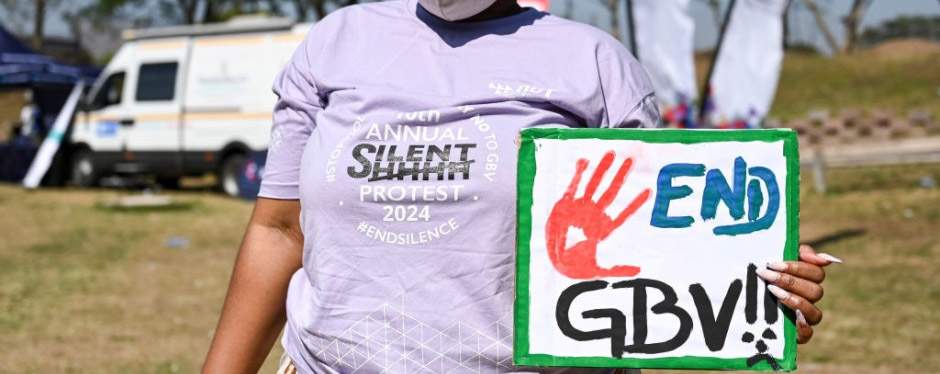
The visit forms part of Parliament’s oversight role to evaluate the effectiveness of services for GBV survivors while gathering evidence to inform policy, budget allocations and interventions that advance Sustainable Development
Goal (SDG) 5 on gender equality and the empowerment of women and girls.
Stakeholders told the committee that economic hardships, unemployment and the growth of informal artisanal mining settlements have created conditions that leave many women and girls vulnerable to abuse, exploitation and neglect.
Some women are reportedly lured into exploitative relationships around mining communities, while others are abandoned by partners seeking opportunities in mining areas, increasing the number of vulnerable households headed by women.
The committee also heard that transport challenges continue to hinder access to critical services, with survivors from remote communities often failing to reach the shelter within the required timeframe to receive urgent medical treatment, counselling and legal assistance.
Established in 2014, Musasa Shelter initially accommodated 12 survivors but has since expanded its capacity to 20 following the construction of an additional accommodation block.
Situated on two hectares of land donated by Chief Mtshane Khumalo in partnership with the Bubi Rural District Council, the shelter serves survivors from across Bubi District as well as neighbouring Nkayi and Lupane districts.
Besides providing temporary accommodation, the shelter offers psychosocial counselling, legal aid, referrals for medical treatment and assistance with court applications. It also operates as a drop-in centre, working closely with the Zimbabwe Republic Police (ZRP) Victim Friendly Unit, the Department of Social Development, health institutions and the courts to ensure survivors receive comprehensive support.
However, stakeholders said the facility is struggling to meet growing demand following the withdrawal of donor support, leaving huge gaps in service delivery. Chairperson of the Parliamentary Portfolio Committee on Sustainable
Development Goals, Senator Chief Siansali, said Parliament wanted to establish the shelter’s actual needs to ensure it can be considered during the national budgeting process.
“We want to understand what an ideal shelter should look like and what resources are required. This information will help us determine the budget needed to address existing gaps and ensure institutions such as Musasa Shelter continue serving vulnerable communities effectively,” he said.
Sen Chief Siansali said Parliament is committed to engaging communities directly so that issues raised during oversight visits translate into practical policy responses and improved resource allocation.
Musasa Shelter identified several priority needs, including the drilling of a borehole to improve water security, construction of additional accommodation to cope with rising demand and increased operational funding following the withdrawal of development partners.
Bubi District Development Coordinator Mr Juma Dube welcomed Parliament’s engagement, saying it would help identify practical solutions to challenges affecting vulnerable communities.
“We appreciate this engagement as it helps identify challenges and find lasting solutions that improve service delivery for our communities,” he said.
Musasa representative, Ms Silobile Moyo said reduced donor funding had placed considerable pressure on the shelter’s operations.
“The withdrawal of donors created significant gaps, and we need support to ensure the shelter continues providing protection and essential services to survivors who depend on us,” she said.
The committee’s findings are expected to feed into future policy recommendations and budget deliberations aimed at strengthening Zimbabwe’s response to gender-based violence in line with SDG 5 and the country’s Vision 2030 development agenda.