Online Reporter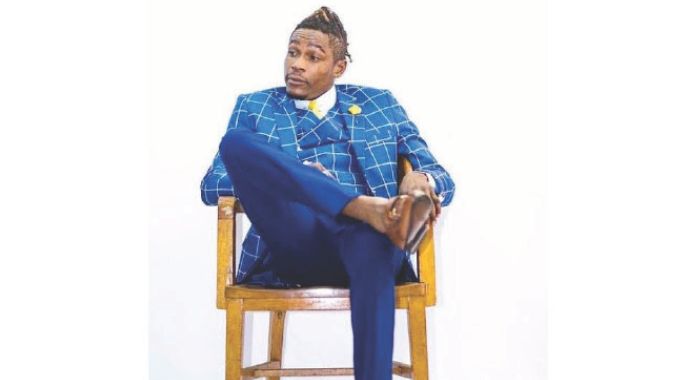
Bruce Ndlovu, Sunday Life Reporter
FORTY-SIX years after Zimbabwe attained Independence, the country occasionally asks itself what makes a hero whenever a public figure passes away.
In the years immediately after 1980, the answer seemed straightforward. Heroism belonged almost exclusively to those who had carried rifles into the liberation struggle, the politicians who led the nationalist movement and the cadres whose sacrifices delivered the country’s freedom.
Today, however, the answer is far broader.
As Heroes Day approaches, Zimbabwe’s roll of honour tells the story of a nation whose understanding of sacrifice has expanded beyond the battlefield. The country’s national shrines are no longer occupied solely by soldiers and politicians. Increasingly, academics, journalists, sportspeople, among others are finding prime real estate at the country’s shrines of remembrance.
Included also musicians whose voices shaped the nation’s conscience who have also found their place among the honoured dead. From liberation war singers who provided the soundtrack to the armed struggle, to social commentators who confronted HIV and domestic violence, to urban poets who spoke for forgotten youths in the townships, Zimbabwe has gradually accepted that songs can sometimes defend a nation as powerfully as guns.
The hero’s mantle has therefore evolved from not only recognising those who fought for independence to those who fought to define what that independence should mean.
Below are some of the musicians whose work transformed them from entertainers into national symbols.
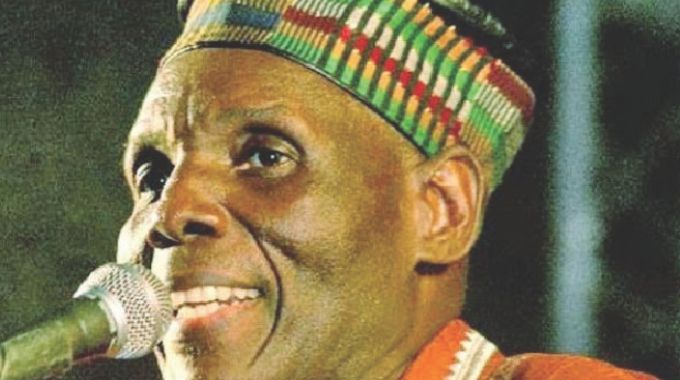
Oliver Mtukudzi
For much of his career, the late Oliver Mtukudzi insisted that he was not a politician.
Yet few musicians influenced Zimbabwean society more profoundly.
True to his promise, his songs rarely addressed divisive topics. Instead, they dealt with something far more enduring: human behaviour.
Albums spanning decades became lessons in responsibility, family, dignity and compassion. Songs such as Todii, Neria, Wasakara and Handiro Dambudziko challenged listeners to confront alcoholism, gender violence, generational conflict and moral decay without sounding preachy.
When HIV and Aids devastated Zimbabwe during the 1990s and early 2000s, many artistes avoided discussing the disease openly.
Mtukudzi did the opposite.
Through songs like Tapera and Todii, he transformed music into a public health campaign, giving hope while encouraging behavioural change at a time when stigma remained widespread.
His greatest gift lay in speaking uncomfortable truths gently. He criticised society without humiliating it, allowing listeners to find themselves inside his lyrics rather than feeling attacked.
By the time he died in 2019, Zimbabwe had long stopped seeing him merely as a musician. He had become the nation’s moral compass.
Awarding him National Hero status recognised more than four decades of hit records. It acknowledged a man whose music helped Zimbabwe navigate epidemics, family crises and changing social values.
Dickson Chingaira (Cde Chinx)
Long before Zimbabwe became independent, Dickson Chingaira was already helping shape the emotional landscape of the liberation struggle. Better known as Cde Chinx, he belonged to a generation whose music was not entertainment but mobilisation.
During a brutal liberation war, during which a lot of Zimbabwean lives were lost, songs became weapons.
They boosted morale inside refugee camps, inspired guerrilla fighters preparing for battle and reminded ordinary Zimbabweans why sacrifices were being made.
When a lot of blood and the battle for the country’s independence suffered and won, Chingaira ensured that those memories were never forgotten. His catalogue remained deeply rooted in liberation history, with songs like Maruza
Imi and numerous compositions celebrating the exploits of freedom fighters became living archives of Zimbabwe’s struggle.
At a time when many countries watched memories of liberation fade with older generations, Chingaira repeatedly returned to those stories, preserving names, places and battles inside melodies that ordinary Zimbabweans could sing.
His music did more than glorify war. It reminded Zimbabweans of the enormous price that had been paid for freedom.
His conferment of Liberation Hero status recognised a man whose microphone became another instrument of the liberation struggle.
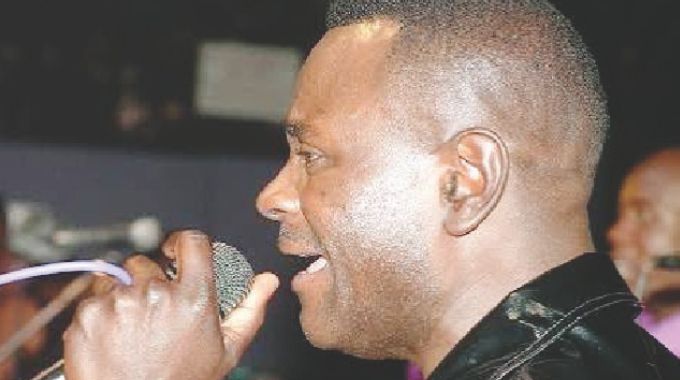
Simon Chimbetu
If Cde Chinx sang from the perspective of the liberation movement, Simon Chimbetu sang from lived experience. A former liberation fighter himself, Chimbetu infused dendera music with memories of war that remained remarkably vivid decades after independence.
Albums such as Pane Asipo and countless other recordings revisited comradeship, sacrifice, betrayal and survival. Even when celebrating victory, his songs often carried undertones of grief, acknowledging those who never returned home. Unlike musicians who completely reinvented themselves after 1980, Chimbetu allowed the liberation struggle to remain central to his artistic identity.
His military experiences shaped not only his lyrics but also his performance style, stage attire and storytelling. Generations born after Independence therefore encountered the liberation war not through history textbooks alone but through his music. He transformed historical memory into popular culture. Recognition as a Liberation Hero acknowledged that preserving collective memory can itself become a patriotic duty.
Soul Jah Love
Few hero declarations generated as much public debate as that of Soul Jah Love. Unlike earlier musical heroes whose work revolved around liberation history or broad social morality, Soul Jah Love represented an entirely different Zimbabwe. His was the Zimbabwe of vibrant, sometimes chaotic townships, hustling, broken families, substance abuse and restless youth searching for identity.
His lyrics were unconventional, often humorous and frequently misunderstood. Yet beneath the slang, street language and eccentric expressions lay remarkable emotional honesty. Songs like Ndini Uya Uya, Kana Ndafa and many others chronicled survival in difficult circumstances. He celebrated resilience while exposing despair.
Unlike polished stars who appeared distant from ordinary people, Soul Jah Love lived many of the struggles he described. His battles with addiction, ill health and financial instability unfolded publicly, making him simultaneously admired and tragic.
Young Zimbabweans saw themselves in him because he refused to hide his imperfections. He became the authentic voice of a generation navigating tough economic times, fractured homes and changing social norms.
His declaration as a Provincial Hero sparked debate precisely because it reflected Zimbabwe’s changing understanding of heroism. Heroes, the nation appeared to suggest, need not be flawless. Sometimes they simply need to articulate the hopes, fears and frustrations of an entire generation.