Online Reporter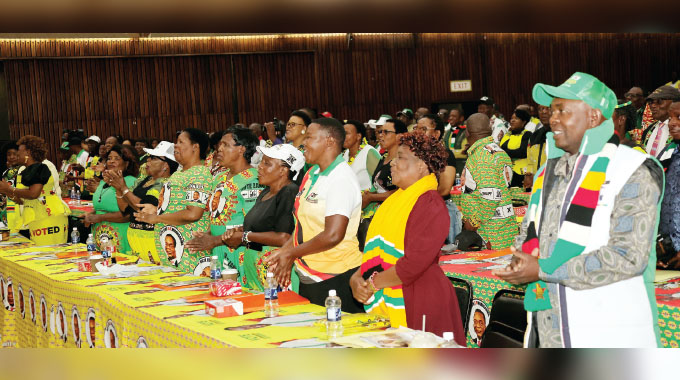
Gibson Mhaka, Zimpapers Politics Hub
THE forthcoming 22nd Zanu-PF Annual National People’s Conference, scheduled to take place from 13 to 18 October at Mutare Polytechnic in Manicaland Province, is neither ritualistic nor an ordinary political gathering. It is a significant event on the party’s calendar—a moment for reflection, celebration, and strategic planning.
Expected to draw more than 4 000 delegates, the conference is a critical exercise in democratic engagement, allowing the party to reflect, rejuvenate, and chart a path forward for the country.
Unlike many political parties in Zimbabwe and beyond, Zanu-PF has maintained a consistent tradition of holding its national conference annually. This ensures that party members have the opportunity to come together, deliberate on key national and party issues, and strengthen internal unity.
Its unwavering commitment to hosting this annual conference, as stipulated by its constitution, is a testament to the party’s adherence to democratic principles and constitutionalism. In a political landscape where some opposition parties fail to convene such important gatherings, Zanu-PF continues to demonstrate that it is not only a governing party but also a disciplined organisation that respects its founding principles.
This adherence to constitutional procedures is exemplary and reflects the party’s ongoing commitment to the rule of law and internal democracy.

The conference theme, “Attainment of Vision 2030 Through Economic Empowerment and Value Addition”, underscores the party’s dedication to achieving upper-middle-income status by 2030. It provides a platform to brainstorm policies and initiatives that will drive economic growth, create jobs, and improve the livelihoods of ordinary citizens.
The conference will also serve as an opportunity to celebrate the tangible successes of President Mnangagwa’s Government—from infrastructure projects such as road construction and dam building to the push for food security through initiatives like Pfumvudza/Intwasa.
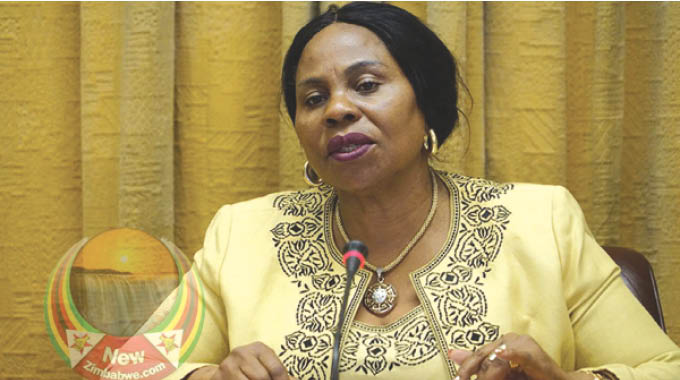
In a strategic move to demonstrate responsiveness to national issues, the conference agenda will prominently feature the fight against drug and substance abuse. Zanu-PF National Chairperson, Cde Oppah Muchinguri-Kashiri, has emphasised that all party wings must adopt zero-tolerance resolutions on the issue and advocate for a dedicated levy to combat it, modelled after the successful AIDS levy.
“During these meetings, designated senior Politburo members and an officer from the Office of the President and Cabinet will present updates on the implementation of previous congress and conference resolutions.
“Additionally, experts from the Drug and Substance Abuse Inter-Ministerial Taskforce will deliver related presentations.
“Consequently, all party wings and the main body must unequivocally adopt a new conference resolution advocating for zero tolerance to drug and substance abuse and urging the Government to establish an Anti-Drug and Substance Abuse Levy, modelled after the AIDS levy,” said Cde Muchinguri-Kashiri.
This action signals that Zanu-PF is prepared to back President Mnangagwa’s stance on drug and substance abuse with a structured, party-driven mandate to protect the nation’s youth.
The decision to hold this year’s conference in Mutare is also significant, highlighting the importance of Manicaland Province as a major player in Zimbabwe’s tourism sector. Mutare, the provincial capital, serves as a gateway to the Eastern Highlands—a region renowned for its breathtaking landscapes.
The recent success of the Sanganai/Hlanganani/Kumbanayi Tourism Expo in Mutare further underscores the area’s growing prominence, elevating Manicaland’s tourism profile both nationally and internationally.
Moreover, Manicaland’s economy is not solely reliant on tourism; it is also a hub for forestry and agriculture, making the province a key contributor to the national economy.
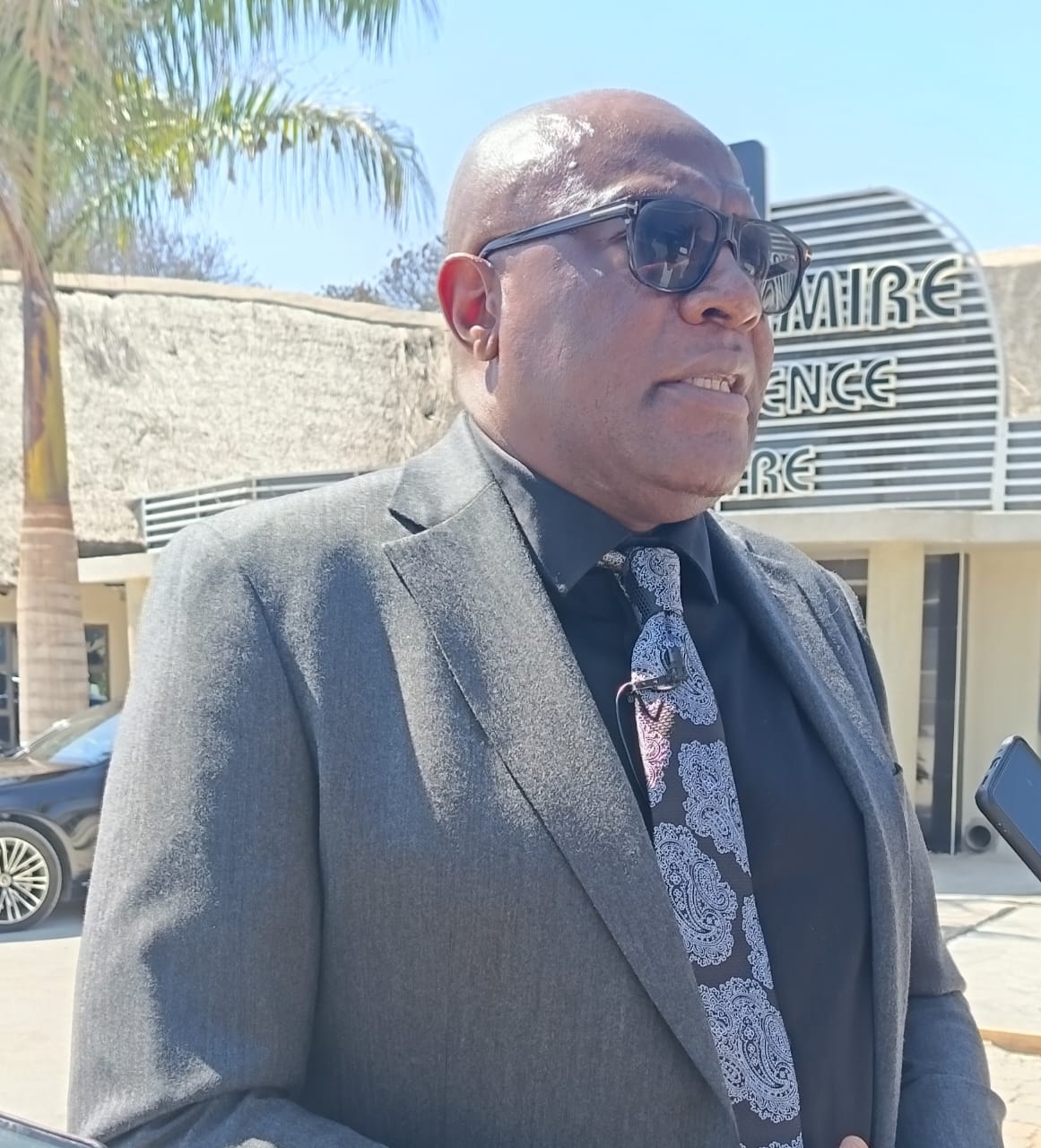
Zanu-PF Secretary for Information and Publicity, Cde Christopher Mutsvangwa, confirmed that the party is well-prepared to host the event.
“We just held our review conference in Manicaland a week or two ago. Some of the infrastructure is going to be inherited from the Sanganai Travel Expo which was held in Mutare,” he said.
He added that the party’s chairperson, Cde Muchinguri-Kashiri, is satisfied with the preparations. Cde Mutsvangwa also noted that the conference would feature documentaries celebrating Manicaland’s role in the national liberation struggle.
“It must be done positionally—telling the Zimbabwean story. There will be stories about the attack on Grand Reef Airport in 1977–78,” he said.
It is important to note that the Zanu-PF conference is not merely a routine gathering; it is a vital exercise in democratic engagement, enabling the party to reflect, rejuvenate, and chart a course for the nation’s future.
The party’s steadfast commitment to holding this annual conference, as enshrined in its constitution, is a clear demonstration of its respect for democratic principles and constitutionalism.
In a political environment where some opposition parties struggle to organise such gatherings, Zanu-PF continues to show that it is not only a governing party but a disciplined organisation rooted in its founding values.
The anticipated turnout of 4 000 delegates is a testament to the party’s enduring popularity and the strength of its leadership under President Mnangagwa.
Ultimately, the conference serves as a crucial platform for the ruling party to reaffirm its commitment to constitutional governance and democratic progress in Zimbabwe.