Chronicles from the 2nd Chimurenga
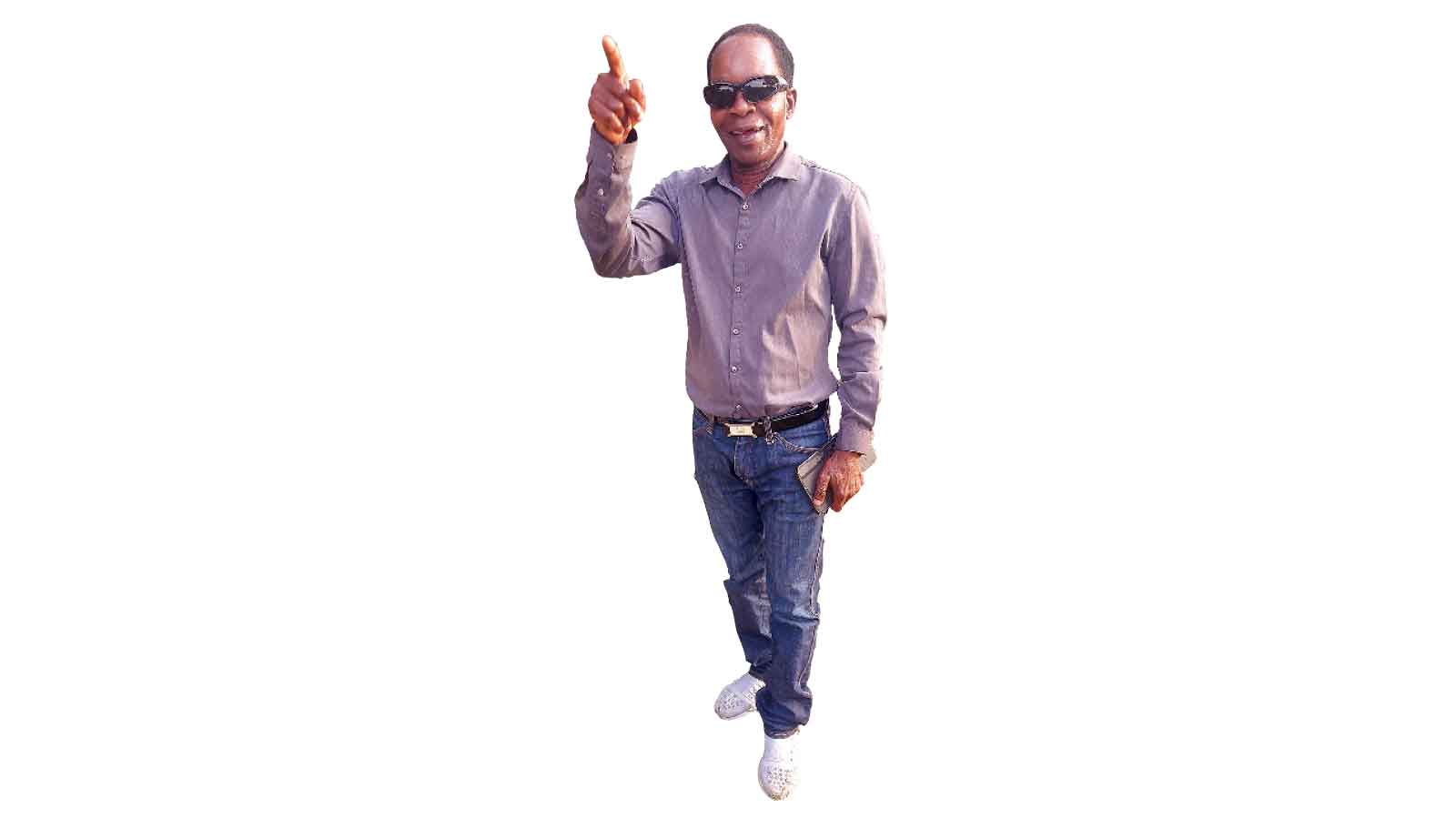
CDE SIMON MTETWA, whose Chimurenga name was Same Order Maguerilla, last week chronicled how their strategic deployment and shift in combat tactics gave them the upper hand against Rhodesian Security Forces. In this final part of the series, Cde Mtetwa reveals to our Society Editor PRINCE MUSHAWEVATO how integrating diverse fighting styles became the key to outmanoeuvring the enemy. He also shares his reflections on the final days of the struggle and the transition into independent Zimbabwe.
***************
Q: Last week you touched on how there was a massive shift in combat tactics from your camp. Can you elaborate on that?
A: As I indicated, I specialised in guerrilla warfare — the hit-and-run type of war. However, as the struggle progressed, we received comrades who had trained at different centres and possessed different fighting techniques. This boosted our strategies on the ground, making our combat operations difficult for the enemy to contain. For instance, we had comrades who underwent semi-commando training, which focused heavily on endurance. In fact, the number of cadres joining that type of training increased as the struggle reached its peak.
These comrades trained in larger units, as the expectation was to shift from advanced guerrilla warfare to regular warfare — a much more sophisticated system. In our guerrilla warfare training, we typically operated in small units, mainly armed with light machine guns. But when you graduate to regular warfare, you start utilising sophisticated conventional weapons, such as multiple rocket launchers and tanks. By combining these diverse fighting techniques, we became a handful for the enemy, which eventually led to our independence.
Q: Was there a particular reason you had to advance from guerrilla to regular warfare?
A: Every war evolves. While some of our fighters maintained the hit-and-run strategy, the units that arrived later were more advanced.
This evolution was mainly driven by the intelligence our instructors outside the country were receiving from comrades operating on the front lines. Our training was constantly updated to match and surpass the enemy’s tactics.
Consequently, the fighting strategy shifted from smaller units to larger formations. Fortunately, through our training, our commanders planned everything methodically, ensuring we incurred the fewest casualties on the battlefield. With improved training and superior fighting skills, we reached a point where our strategic positioning actively deterred enemy attacks. They began to think twice before entering our territories, unlike in the past when they operated as they pleased.
Q: Did your group in the Gaza province ever operate alongside Zimbabwe People’s Revolutionary Army (ZIPRA) fighters on the battlefield?
A: No, we never fought alongside ZIPRA cadres because of our geographical location; we were too far apart. However, our colleagues in Sectors 3, 4 and 5 did, as they operated in the same regions, particularly on the northern side. Initially, when those units bumped into each other, they often clashed. This persisted until the leadership intervened to establish the Patriotic Front (PF). The Patriotic Front was formed during the struggle specifically to resolve these operational conflicts between the Zimbabwe African National Liberation Army (ZANLA) and ZIPRA forces.
Q: As we conclude, can we say that the arrival of your group and the shift in combat tactics guaranteed an independent Zimbabwe?
A: Yes! There was a massive improvement on the battlefront. As I indicated earlier, this was largely due to our evolving training regimes, which were designed to match and surpass the skills of the enemy. Furthermore, when my group arrived in the country, it meant that all sectors — from Sector 1 to Sector 3 — were now fully covered. In reality, the war was now in full swing as we systematically attacked the Rhodesian forces. We gave them no breathing space, which effectively guaranteed our victory in the long run.
To clarify, when I say sectors, I am referring to large operational areas akin to provinces, which were divided into districts. These districts functioned much like sections or detachments. On that note, it is prudent to point out that a major reason we successfully defeated the enemy was our shared focus on a common adversary — the white Rhodesians and the black people who supported colonial rule.
However, while there were traitors, they were very few; I would say roughly a quarter of the population compared to the three quarters who supported the liberation cause. Those few sellouts were simply benefitting from the (Ian) Smith regime.
The vast majority of the people united for a common cause and supported each other throughout the struggle — a spirit that is unfortunately lacking in our society today.
We received food and shelter from the elders because they understood exactly what we were fighting for. Individualism and greed achieve nothing. If that destructive spirit of greed had existed during the struggle, I am certain it would have taken us much longer to defeat the colonisers. As it stands today, we no longer have external enemies; we have simply become each other’s enemy, which goes entirely against the principles of what we fought for.
Q: Can you briefly take us through your final days of the struggle and your life in post-independence Zimbabwe?
A: In late 1979, we were ordered to move into assembly points. I went to the Mutandahwe Assembly Point, located by the Save River Bridge, on the road leading to Chiredzi, which is where I enrolled. At that time, I truly felt I had done everything within my power to liberate the country. In 1981, when the leadership called for integration into the Zimbabwe National Army (ZNA), I opted out.
I first returned to my rural home and later ventured into various projects within the transport and construction industries.
Eventually, I specialised in commercial painting and worked in that trade for a long time, only stopping recently due to persistent body aches. I am a skilled painter and have handled high-profile jobs. I am also involved in commodity broking. Overall, I have been an entrepreneur for the greater part of my life.