Online Reporter
Blessings Chidakwa
Herald Reporter
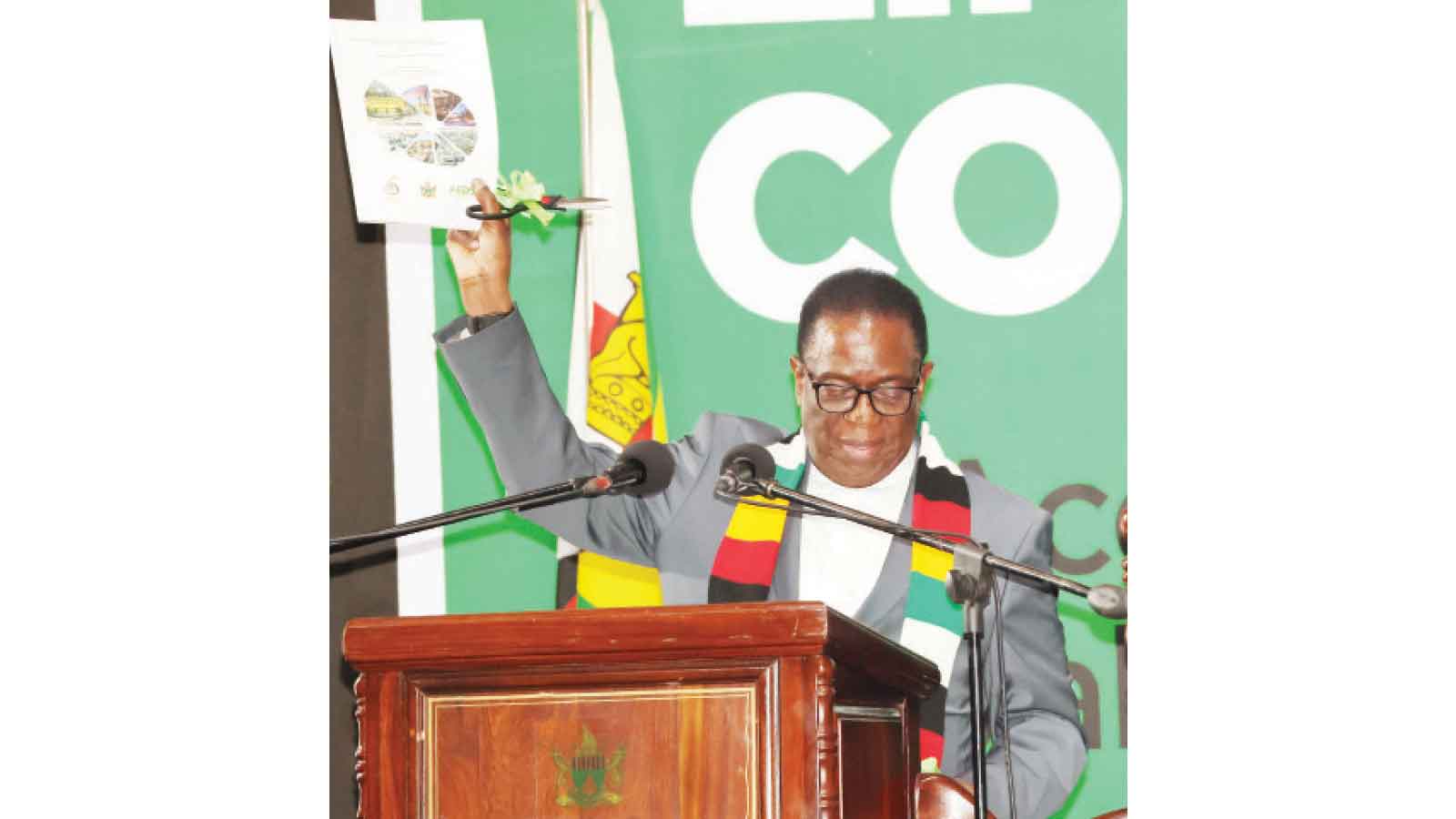
THE Zimbabwe Media Policy (ZMP) is a transformative step in aligning national media development with constitutional mandates and Vision 2030, a Cabinet minister has said.
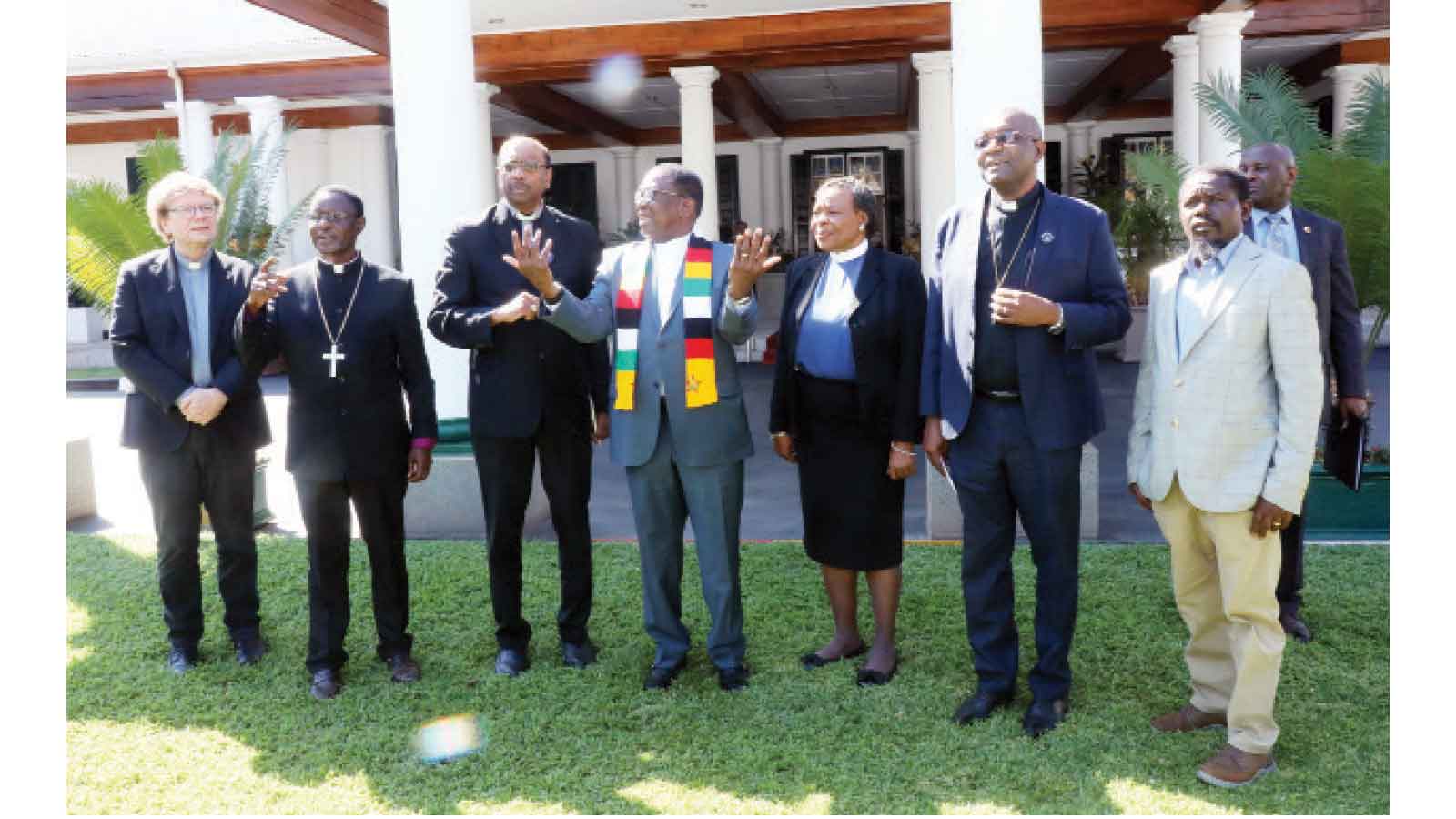
Speaking at the launch of the policy by President Mnangagwa at State House in Harare yesterday, Information, Publicity and Broadcasting Services Minister Dr Jenfan Muswere said the policy is a groundbreaking framework designed to foster a thriving media environment.
Dr Muswere said the policy is a comprehensive framework designed to promote a vibrant, diverse and inclusive media landscape in Zimbabwe. “The policy is a crucial step towards realising our national vision of becoming an empowered upper-middle-income society by 2030, as outlined in our national development strategies. The media plays a vital role in informing, educating, and empowering citizens to contribute to national development. It promotes transparency, predictability, and accountability while rallying citizens behind national development goals,” he said.
Dr Muswere said the mission is to shape a lasting national consciousness that defends, upholds, and promotes Zimbabwe’s founding values, identity, and interests worldwide through a modern and diverse media industry.
“The policy is the first integrated and comprehensive attempt to outline the guiding principles and philosophy underpinning Zimbabwe’s media laws and regulations. It’s a critical step towards developing a vibrant media industry that contributes significantly to economic growth while positively impacting the lives of Zimbabweans,” he said.
Acting Permanent Secretary for Information, Publicity and Broadcasting Services, Mr Jonathan Gandari, said the policy was formulated after a thorough consultative process.
“We brought together academia, we brought together members from the Ministry of Information, Publicity and Broadcasting Services. We also brought together people from civic society,” he said. At the heart of the Zimbabwe Media Policy are six strategic pillars designed to tackle issues ranging from economic sustainability to digital innovation.
According to the policy, it aims to foster an environment that supports access to information and the growth of a competitive and innovative media industry. The six strategic pillars aim to promote a vibrant, diverse, and independent media sector.
“The first pillar, Economic Sustainability, focuses on revitalising the media sector’s financial stability by diversifying revenue streams, establishing the Media Fund, and encouraging media outlets to explore alternative revenue sources. “The remaining pillars include Digital Transformation and Innovation, which addresses digital challenges and promotes innovation; and Media Development and Capacity Building, which focuses on supporting community radio stations and freelance content producers,” the policy reads.
Other pillars include Media Sovereignty and Regulation, which seeks to establish a balanced regulatory framework and Access to Information and Knowledge, which aims to promote inclusive access to information.
There is also Local Content Promotion, which aims to support local content and counter foreign dominance.
The policy seeks to achieve several objectives, including the unwavering defence of Zimbabwe’s image, sovereignty, and territorial integrity; the full implementation and actualisation of all constitutional provisions that promote the growth of a vibrant and diverse media industry in Zimbabwe.