

 Online Reporter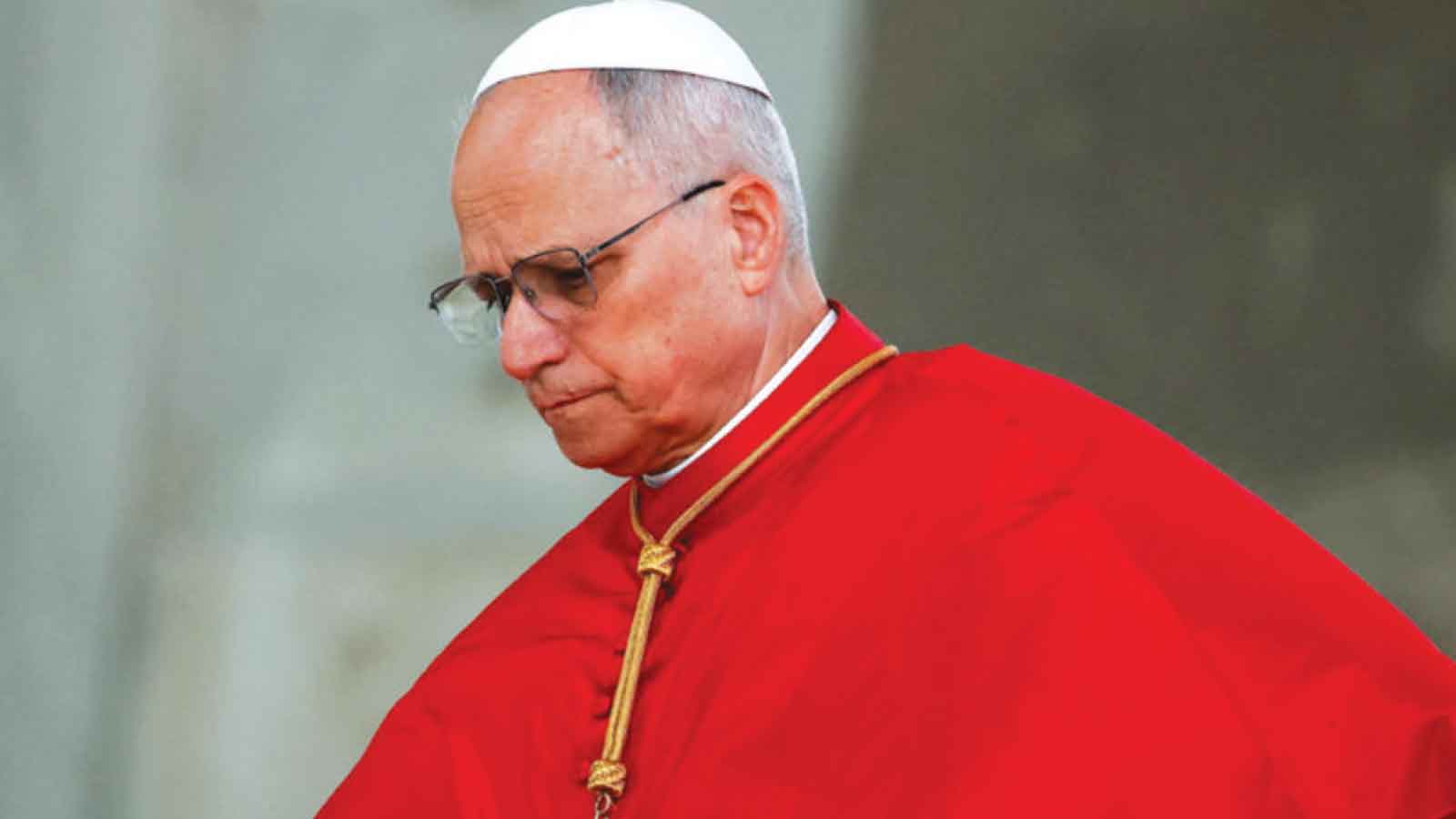
Sifelani Tsiko
Fact Check Editor
Pope Leo wrapped up his historically significant 10 – day visit to Algeria, Angola, Cameroon and Equatorial Guinea (April 13 – 23) with calls for the Catholic church to walk with Africa in its quest for peace, reconciliation, social stability and dialogue.
The pontiff got a red -carpet welcome in Africa where more than 20 percent of the world’s Catholics live.
This was the first trip by Pope Leo XIV and it set the tone of the future relations between the Vatican and the African continent.
The Vatican highlighted that peace and care for the poor were the central themes of the African journey.
Theologians in Africa said Pope Leo’s visit offered a powerful historical reminder of the ‘continent’s foundational role in shaping the church, particularly in its first five centuries.’
They all agree that the continent remains home to the fastest-growing Catholic population with a strong 280 million followers – nearly 20 percent of the world’s Catholic population.
Theological experts say in 2025 alone, the African Catholic church had 8.3 million new members.
A history of papal visits to Africa
Pope Paul VI (1963 to 1978) was the first to make a papal visit to Africa in 1969 when he visited Uganda where he made 19 speeches and ordained 12 new Catholic bishops. The next was Pope John Paul II (1978 to 2005) who made 15 visits to Africa and crisscrossed some 41 countries on the continent including Zimbabwe on a nine – day trip to five countries in southern Africa in 1988. Pope Benedict XVI (2005 to 2013) made two papal visits to Africa covering Cameroon and Angola in 2009. After this reign, Pope Francis made five visits to Africa including the Central African Republic, Kenya, Uganda, Egypt, Morocco, Mozambique, Madagascar, Mauritius, DRC and South Sudan. The multiple pastoral visits to Africa broadly focussed on peace, social justice, support for the poor facing conflict or poverty. Pope Leo XIV’s latest visit to Algeria, Angola, Cameroon and Equatorial Guinea is the fifth ever since a pontiff first visited the continent nearly six decades ago. At the centre of all the papal visits has been condemnation of corruption, violence and exploitation.
Key takeaway messages by Pope Leo
“I primarily come to Africa as a pastor, as the head of the Catholic Church, to be with, to celebrate with, to encourage and accompany all of the Catholics throughout Africa.” – Pope Leo on his mission to Africa
“We can see today how the hope of many people is frustrated by violence, exploited by the powerful and defrauded by the rich. When injustice corrupts hearts, the bread of all becomes the possession of a few.” -In a speech in Angola
“The future belongs to men and women of peace. In the end, justice will always triumph over injustice, just as violence, despite all appearances, will never have the last word. “Prayer unites, humanizes, strengthens and purifies the heart…….Through prayer, the Church in Algeria sows humanity, unity, strength and purity, reaching places known only to the Lord.” – in Algeria
“Peace cannot be reduced to a slogan: it must be embodied in a way of life that renounces all forms of violence, both personally and institutionally. The masters of war pretend not to know that it takes only a moment to destroy, yet a lifetime is often not enough to rebuild. They turn a blind eye to the fact that billions of dollars are spent on killing and devastation, yet the resources needed for healing, education and restoration are nowhere to be found. “The world is being ravaged by a handful of tyrants, yet it is held together by a multitude of supportive brothers and sisters!” – the Pope in Cameroon
What analysts and theologians said about the papal visit
“By choosing to visit Africa now, Pope Leo is making a clear statement: Africa matters. The Catholic church on the continent can seize this moment to build more equal, non-patronising partnerships with churches in the global north, where membership is declining.” – Stan Chu Ilo – Research Professor, World Christianity and African Studies, DePaul University
Said Lucy Esipila, the regional coordinator for Caritas Africa: “At a time when many African nations continue to face conflict, debt burdens, and widening inequalities, this apostolic journey is a powerful expression of synodality, of ‘walking together’ as a global church that listens to voices from the peripheries.”



