Moffat Mungazi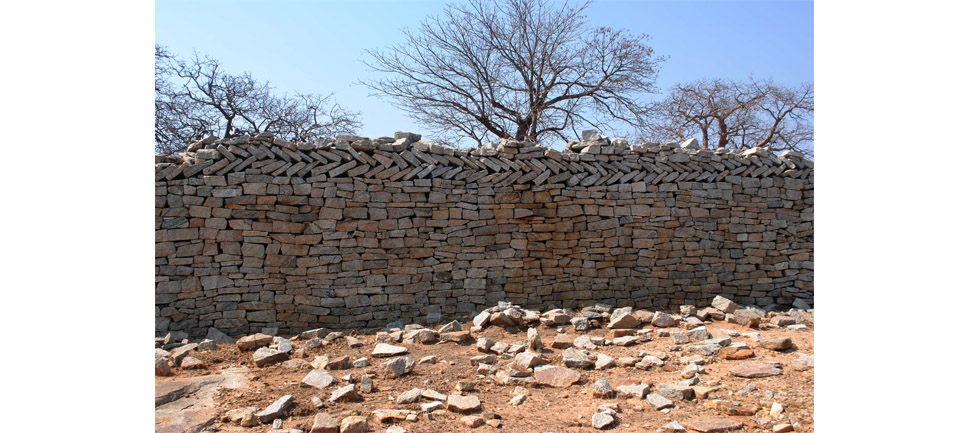
Rodgers Irimayi
Cultural Perspectives
IT has been observed that Zimbabwe’s cultural heritage sites serve as rich reservoirs of history, identity, and tradition, but I need to emphasise the importance of these sites in promoting tourism.
This week, my focus examines how the intersection of cultural heritage and tourism provides numerous benefits for communities and for the economic growth of the nation.
There are so many such potential sites within our rural communities which can be identified, registered and effectively become tourism centres with benefits such as employment for locals.
Cultural heritage sites in our areas can become sources of income through job creation as tourists get attracted to the sites.
Jobs are generated in various sectors which include hospitality, tour operation, retail, and others that come with increased tourism activities. The growth of Victoria Falls as a city came from the Mosi-o-a-tunya (the smoke that thunders) heritage site.
So many hotels, lodges, shops, service stations and other businesses have developed in and around the Victoria Falls.
The Great Zimbabwe Monuments and other already established heritage sites have also provided great opportunities to the local communities.
It could be that your own area is not growing because the heritage site in your community has not yet been recorded and recognised as an official tourism centre.
With the assistance of traditional leaders and their communities, rural district councils, the Department of National Museums and Monuments, and Ministry of Tourism and Hospitality Industry in partnership with supporting organisations, many heritage sites in Zimbabwe can be turned into tourist attraction centres.
The identified heritage sites can generate revenue for the community as tourists pay entrance fees, guided tours, and local crafts which all contribute to Government revenue and funding for site preservation and maintenance.
Support for local businesses comes with the increase in foot traffic in cultural heritage areas through boosts in sales for local artists, restaurants and shops.
It means opportunities will open for local men and women who are into basketry, carpentry, pottery, sewing and other traditional ornaments, and activities such as music and dance.
While the National Museums and Monuments takes centre stage in the preservation and conservation of these cultural heritage sites, the communities are the custodians of these sites, hence the need for fundraising through tourism revenue which can be reinvested into maintaining and preserving the sites, ensuring that they remain intact for future generations.
The contribution of societies need to be promoted through availing of resources. Increasing awareness about the importance of preserving the cultural heritage sites calls for more community support and involvement in the preservation efforts.
Another important point is that these sites promote cultural exchange and education. As visitors experience and appreciate the culture of a local community, they learn to understand and respect the uniqueness of humanity in diversity.
These centres therefore present educational opportunities as they serve as living museums, providing educational resources about local history, traditions, and cultural practices. The uniqueness of a heritage site, draws the attention of more domestic and international tourists.
Cultural heritage tourism promotes community development through the empowerment of local communities.
Imagine your village getting involved in a tourism initiative and empowering villagers from the youth to the elderly as you all combine forces to promote your cultural pride and heritage.
Such initiatives even revive some cultural activities which might have been long forgotten, but because of increased interest in cultural heritage can lead to the revival and promotion of traditional practices, arts, and crafts.
For continuity and sustainable tourism practices, there ought to be responsible tourism at the cultural heritage site.
This entails practices that respect the environment and local cultures minimising the negative impact of tourism.
To achieve that, community-led initiatives should be paramount as engaging local communities in the development of tourism helps tailor making experiences that reflect their culture and values, ensuring that tourism growth aligns with their interests.
It should be noted that cultural heritage tourism might also have some challenges which need to be considered and these include over-tourism and cultural sensitivity.
Sometimes popular heritage sites may suffer from overcrowding which might lead to degradation of the site and the diminishing of visitor experience.
Where there is such experience, management strategies must be developed to balance preservation with tourism.
In all the initiatives associated with taking the heritage sites in the community as tourism centres, there is need for cultural sensitivity. This means avoiding the commodification of traditions, ensuring that cultures are represented authentically and respectfully. It also guarantees the maintenance of local systems in their original state.
Cultural heritage sites need to be protected as they have the potential to thrive as tourism centres, offering economic, educational, and cultural benefits, while fostering a greater appreciation for history and tradition.
In order to take full advantage of these benefits, it is crucial to implement sustainable practices and actively engage local communities in tourism planning and development, ensuring that the richness of cultural heritage is preserved and celebrated for generations to come.
Rodgers Irimayi is the Ministry of Information, Publicity and Broadcasting Services Masvingo Provincial Information Officer. He writes in his personal capacity and can be contacted on +263778246098 or [email protected]



 Online Reporter