Online Reporter
Stanford Chiwanga, Quality Editor
THE public exchange between Highlanders and their high-profile benefactor, Wicknell Chivayo, has delivered a painful lesson in strategic communication. The club’s decision to issue a formal, public rebuttal via a Press release to Chivayo’s offer was the core strategic blunder. While the club may have secured a moral victory by affirming their right to autonomy, they have inflicted a devastating, self-inflicted wound upon their own financial stability and public standing. Given Chivayo’s track record, which includes the vital injection of US$1 million to stabilise the club, the decision to PUBLICLY HUMILIATE a critical financial safety net for the club is, frankly, astonishingly short-sighted.
Strategic communication is not merely about issuing statements; it is about the management of perception and the preservation of long-term relationships. Highlanders’ response failed spectacularly on both counts, starting with the very medium they chose. The scenario — a public offer immediately followed by a firm, public refusal — is a textbook example of how to mishandle stakeholder relationships. In the complex, ego-driven world of high-stakes philanthropy, the paramount rule is to always allow a benefactor to SAVE FACE. Chivayo made his offer public; that much is true. However, the club’s leadership should have chosen the path of DIPLOMATIC SUBTLETY.

A refusal, especially one involving a figure who has poured millions into the organisation, must always be handled in private. Instead, the club’s swift, public repudiation via the Press release transformed a simple business disagreement over personnel into a painful, personal public humiliation. The message sent was not one of principled autonomy, but of INGRATITUDE and ARROGANCE. This is a PR own goal from the halfway line.
Crucially, the club missed a golden opportunity for a diplomatic, win-win resolution. Rather than a harsh public rejection, Highlanders could have privately approached Chivayo with a counter-proposal that honoured his recommendation while safeguarding club policy. This agreement could have seen Benjani Mwaruwari appointed as a high-profile Technical Advisor — a position that acknowledges his stature — ably complemented by a development team of former Highlanders players, such as Johannes Ngodzo, Mkhokheli Dube and Collen Nyambiya.
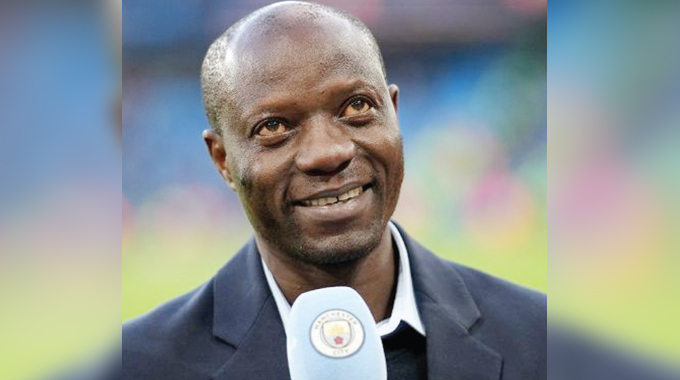
This model, which successfully mentors and integrates Bosso’s former players into the coaching structure, would have addressed Chivayo’s patronage, ensured continuity with the club’s identity, and created a pipeline of coaches comparable to the former Dynamos players who dominate the technical benches of many a premier league team in Zimbabwe. A private negotiation along these lines would have preserved the US$1 million relationship while advancing the club’s long-term interests.
To understand the depth of this strategic error, one must dissect the official statement itself. The Press release states: “Highlanders Football Club recognises the gesture by our benefactor Sir Wicknell Chivayo, in which he made a proposal…” and concludes with, “…We thank Sir Chivayo for his consideration and continued support to the club. We look forward to greater support as the club turns 100 years in the year 2026.” This acknowledgement is perfunctory and immediately overshadowed by the rejection. While gratitude is stated, it feels hollow because it is coupled with a firm “No.” Furthermore, the phrase “We look forward to greater support” immediately after rejecting a current offer is diplomatically tone-deaf. It implies the club is ready to take money but not advice, cementing the perception of ungratefulness and transactional arrogance.
The statement’s justification is equally problematic and exposes a damning hypocrisy. It continues: “. . . the club would like to remind its stakeholders that there are processes and procedures that are in place that speak to the hiring of technical and playing staff.” By invoking “processes and procedures,” the club shifts the focus from a grateful rejection to a defensive, corporate lecture.
This is where the irony of the situation becomes a crucial communication vulnerability. When Chivayo previously extended the US$1 million lifeline to the club — a transaction reportedly managed through a third party, Jabulani Nkomo — the club was quick to accept the financial aid. At that crucial juncture, there was no mention of the club’s rigorous “processes and procedures” regarding the acceptance of external funds via non-standard channels. By raising the banner of procedure only when faced with an unwanted suggestion, and not when faced with a much-needed donation, the club’s defence is completely undermined. This selective invocation of rules positions the benefactor as an outsider who is ignorant of how the club operates, sending a chilling message: “We know better than you, and your money does not buy you influence.”
Most damagingly, the Press release includes the detail that: “The club is in the process of finalising with a potential candidate to take over from Mr De Jongh in time for the coming season . . .” This moves the statement from a neutral defence of process to an active declaration that “we already have someone better.” This detail is the clearest form of public humiliation, guaranteeing that the benefactor will feel personally and publicly rebuffed.
The most dangerous consequence of this episode is the signal it sends to potential future sponsors and investors. Any corporate entity or wealthy individual considering a partnership with Highlanders will now assess the situation through a lens of extreme caution. Their analysis will be simple: If a benefactor who provided US$1 million can be publicly rejected, humiliated, and alienated, what guarantee does a new, smaller partner have that they will be treated with professional respect? The club has effectively POISONED the well of goodwill.
They have traded their reputation for professionalism and partnership for a declaration of uncompromising internal control. This is particularly problematic in the Premier Soccer League, where clubs often rely on such generous patronage to navigate financial difficulties. When the next crisis inevitably hits, the potential saviours will recall the club’s public spat with Chivayo and will likely choose to invest their funds elsewhere, opting for partners who demonstrate stability and diplomatic acuity.
From the perspective of the ordinary fan — the lifeblood of any club — the optics are equally poor. The club had built significant pathos (emotional appeal) through Chivayo’s intervention — he was the figure who had saved them from the brink of a Fifa sanction. By publicly rejecting his further assistance, the club’s management appears to be biting the hand that fed them, making the club seem less like a well-run institution and more like a volatile, high-risk entity.
The successful modern football club understands that finance, sport, and public image are intertwined. You can maintain autonomy without being antagonistic, and you can reject an offer without destroying a relationship.
Highlanders’ leaders must now move swiftly to address the damage. They must publicly acknowledge the immense contribution of Chivayo’s US$1 million and issue a statement that separates the necessity of internal governance from the sincere appreciation of his patronage. Failure to do so will ensure that this episode is remembered not as a moment of principled resistance, but as the moment they carelessly squandered vital goodwill and financial security. A club of Highlanders’ stature deserves better strategic thinking at the highest level.