Online Reporter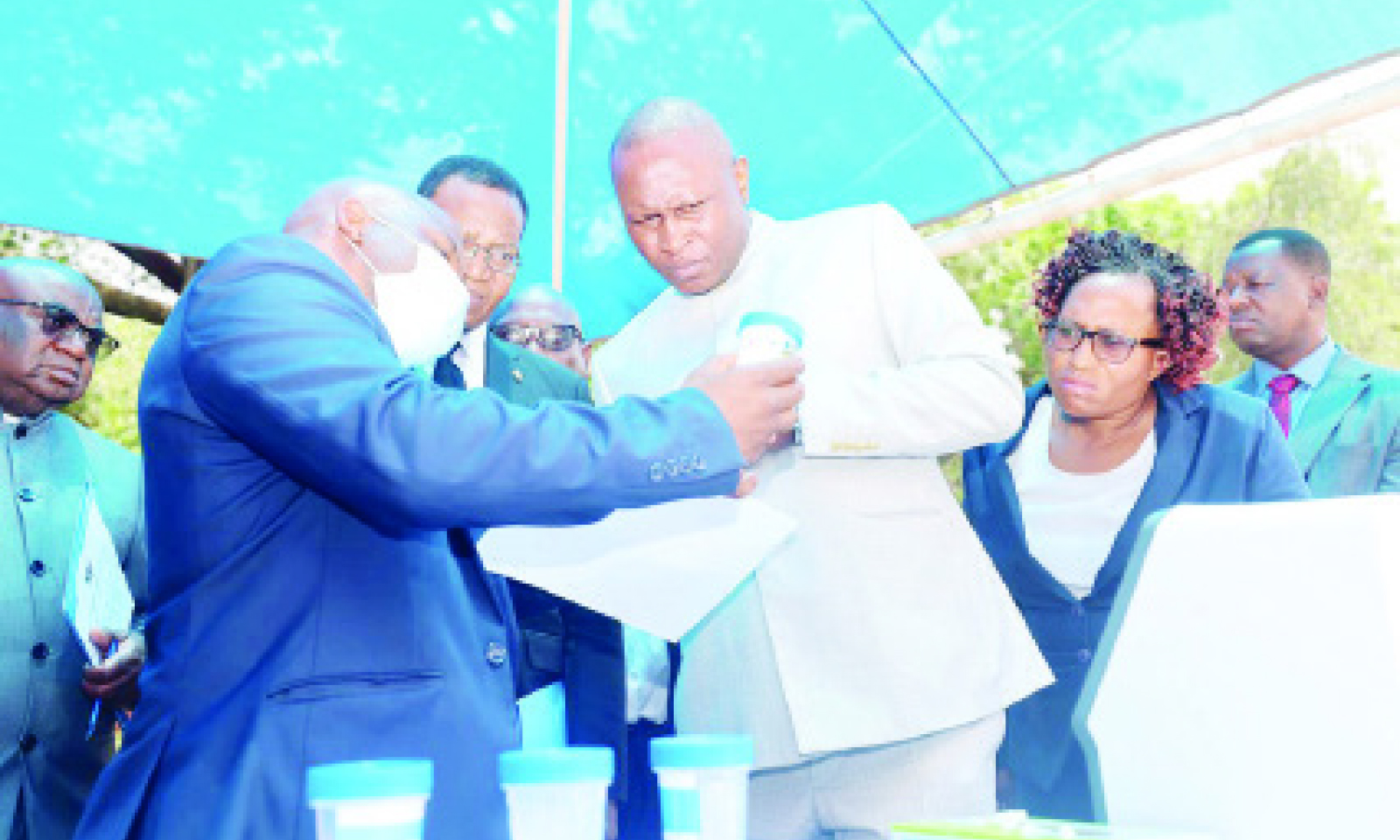
Tafara Chibanda
CIVIL servants and all motorists, in particular public transport drivers, will all be subjected to regular drug tests as part of a nationwide effort to curb drug and substance abuse.
The announcement was made during the launch of the Government Analyst Laboratory and Substance Abuse Testing Programme.
The Abused Substances and Diagnostics Management (ASDM) Project donated drug testing equipment worth US$60,000.
Deputy Minister of Health and Child Care, Sleiman Kwidini, stressed the urgency of tackling substance abuse, which he described as a growing public health crisis affecting productivity, safety and social stability.
“We are considering making it a requirement for all civil servants to be tested before entering their workplaces.
“This will ensure that Government services are delivered effectively and without interference from drug-related impairments,” he said.
He said law enforcement officers would also be empowered to conduct spot checks on motorists suspected of being under the influence of drugs.
The proposed initiative aims to enhance road safety amid rising concerns over drug-related accidents, particularly among public transport operators.
Professor Hilda Matarira, Principal Investigator of the ASDM Project, backed the Government’s stance, noting that drug testing is crucial for early intervention.
“Substance abuse affects all sectors of society, by implementing workplace and roadside drug testing, we can prevent accidents, improve workplace productivity and protect our communities,” she said.
The Government is expected to formulate policies to enforce the initiative, including penalties for those found under the influence.
While initial testing will be free, authorities plan to introduce a fee structure to sustain the programme in the long term.
Public transport drivers, including bus and haulage truck operators, will be among the first to undergo routine drug screening to improve road safety.
“Ensuring that bus drivers are not under the influence of drugs is crucial for passenger safety.
“Drug impairment can lead to slower reaction times, poor decision-making, and increased risk of accidents and this initiative is about saving lives,” she said.
Professor Matarira also said the initiative will also extend to schools and tertiary institutions, with the aim of curbing drug use among young people.
“Substance abuse among students is on the rise, regular drug testing in educational institutions will serve as both a deterrent and a means of early intervention,” she said.