Online Reporter
Rutendo Nyeve, Victoria Falls Reporter
THE Reserve Bank of Zimbabwe (RBZ) has projected that inflation will fall to a single-digit from the first quarter of 2026, a key milestone in its renewed drive to anchor lasting macro-economic stability.
This optimistic forecast is part of a comprehensive set of monetary targets outlined in the executive summary of the central bank’s newly unveiled Five-Year Strategy Plan for 2026-2030.
The detailed plan themed: “Back-to-Basics – Fostering Central Bank Policy Credibility”, charts a clear path from the economic dislocations of the past towards a future of sustained price and exchange rate stability.
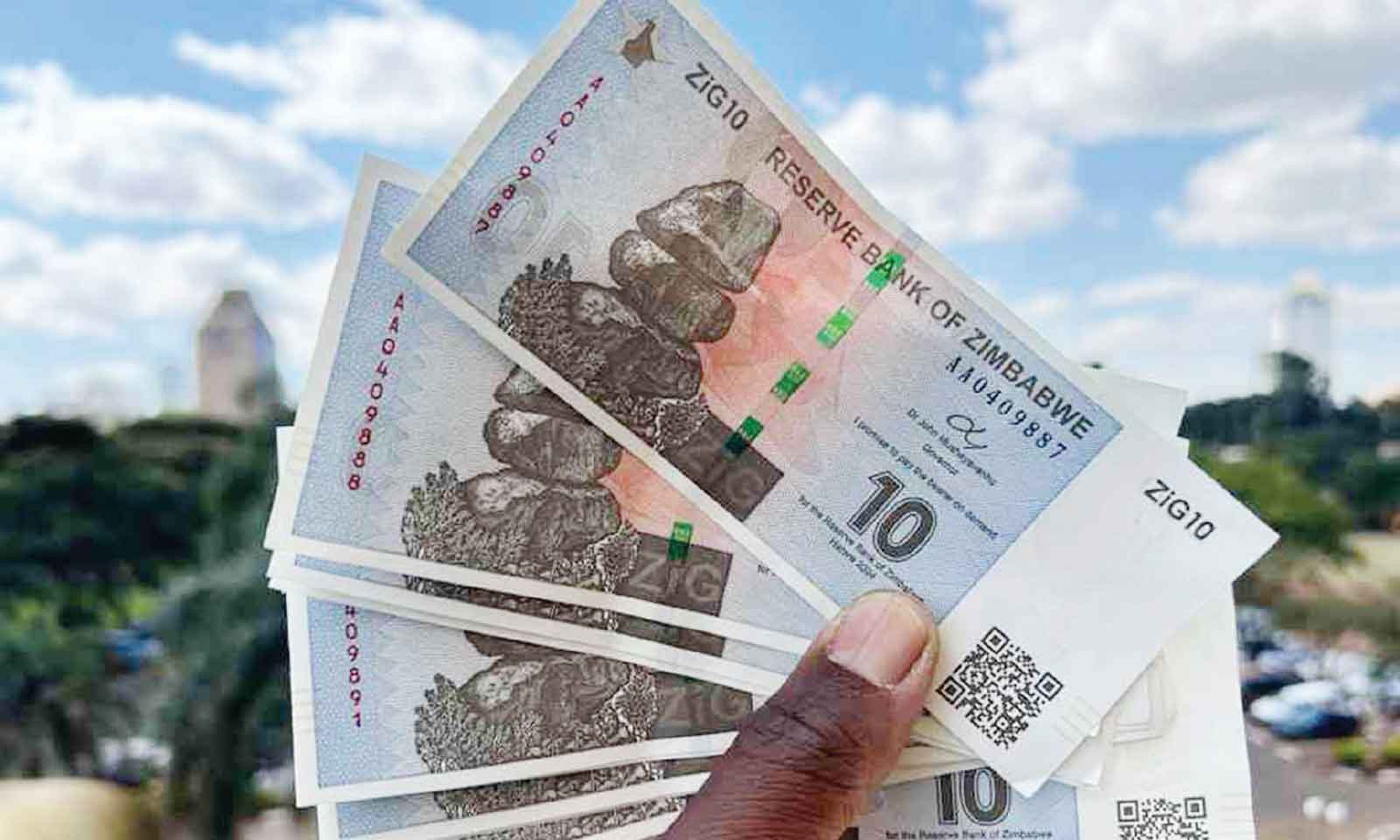
It builds on gains made since the introduction of the Zimbabwe Gold (ZiG) currency and a fundamental strategic shift initiated in April 2024.
According to the strategy document, the first quarter of 2026 is expected to herald the return of a single-digit inflation, a feat not sustainably achieved in the country for many years.
This is not an isolated target but part of a broader suite of stability indicators the RBZ is committed to realising.
“Where we are going,” as detailed on the executive summary, includes a vision of stable exchange rate dynamics with minimal over- or undervaluation of the ZiG, alongside foreign exchange reserve coverage of three to six times the reserve money.
“RBZ targets containing exchange rate volatility to less than 10 percent per annum and reducing the parallel market premium to a band of between 10 percent and 20 percent.
“Further goals are the accumulation of adequate foreign currency reserves of at least three to six months of import cover in the medium to long term, the development of an efficient foreign exchange management system that promotes ease of access to foreign currency for importers, and the achievement of durable macro-economic stability, characterised by low and stable inflation at single-digit levels,” reads the strategy.

This destination is the culmination of a deliberate journey.
The strategy acknowledges that prior to April 2024, the economy faced amplified challenges leading to major macro-economic dislocations, currency and exchange rate volatility, high inflation, loss of monetary values, industrial capacity attrition and elevated levels of informalisation.
“In response, the RBZ embarked on a New Strategic Thrust: Back-to-Basics, a structural realignment focused on restoring the primacy of price stability. This involved reserve build-up, tight control of money supply, anchoring inflation expectations, and enhancing stakeholder communication to rebuild confidence,” reads the strategy.
Key milestones already achieved, as listed in the plan, provide the foundation for the 2026 targets.
These include inflation developments, projected to end 2025 between 15 percent and 20 percent, down from hyperinflationary peaks, and exchange rate stability, with the official rate depreciating only marginally and the parallel market premium falling from over 50 percent to below 20 percent.
A significant reserves build-up is also underway, with gross reserves rising from US$276 million in April 2024 to a target of US$1 billion by December 2025, and an ambitious goal of US$6 billion by 2030.
Gold reserves have also seen a remarkable recovery.
“Other milestones are the successful launch of the ZiG, which is a historic milestone in restoring monetary sovereignty and confidence, alongside improving stakeholder perception and a resilient financial sector,” reads the strategy.
RBZ Governor, Dr John Mushayavanhu, in his foreword, stated that the strategic shift has been instrumental in restoring core central banking functions, anchoring inflation expectations, and fostering currency, price and exchange rate stability.
He emphasised that the Bank will stay the course, guided by prudent adaptability and responsiveness to the shifting domestic and global economic landscape.
The 2026-2030 strategy is now fully aligned with the National Development Strategy 2 (NDS2) and Vision 2030.
Its ultimate aim is to solidify the ZiG, achieve regional macroeconomic convergence, and lay the groundwork for a potential future transition to a mono-currency system, all while fostering sustainable and inclusive growth.
For businesses and citizens long burdened by volatility, the RBZ’s latest blueprint offers a detailed, quantified vision of stability.
The critical test will be in its steadfast execution in the face of both domestic and global headwinds.