Online Reporter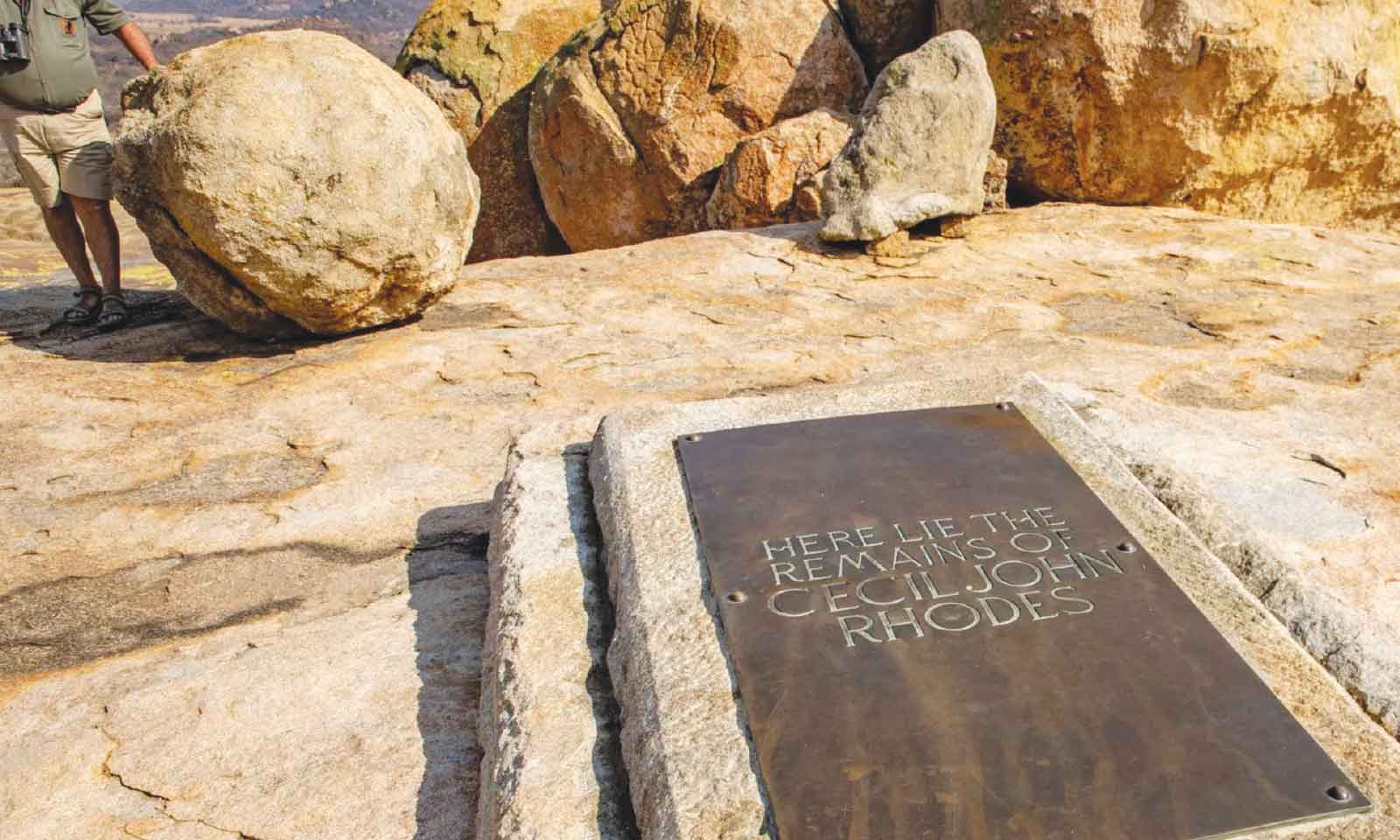
TOURISM BRANDING WITH CHARLES MAVHUNGA
At the heart of Zimbabwe’s Matobo Hills, a UNESCO World Heritage Site revered by the indigenous people as a sacred spiritual landscape, lies a grave that has become a symbol of the nation’s unfinished business with its colonial past.
The burial site of Cecil John Rhodes, the British mining magnate and architect of colonial dispossession, occupies prime real estate in one of Africa’s most culturally significant locations.
More than four decades after independence, this colonial monument continues to cast a long shadow over Zimbabwe’s tourism brand, preventing the nation from achieving its full potential in an increasingly competitive global market that prizes authentic cultural experiences.
The question is no longer whether Rhodes’ grave belongs in Matobo, but rather how long Zimbabwe will allow a colonial relic to strangle the very essence of what makes the nation’s tourism offering unique, powerful, and genuinely African.
The Colonial Stranglehold on Zimbabwe’s Brand Identity
Tourism branding in the modern era demands authenticity, cultural integrity, and narratives that resonate with the values of contemporary global travellers. Yet Zimbabwe’s premier tourist destination remains tethered to a narrative written by colonisers, for colonisers.
When international visitors arrive at Matobo, they encounter not the ancient voice of the Zimbabwean people or the sacred traditions of the San communities who left their remarkable rock art across these granite hills, but rather the glorification of a man who viewed Africa as territory to be conquered and Africans as subjects to be ruled.
This is not merely symbolic. It represents a fundamental failure in brand management that has cost Zimbabwe dearly.
The Zimbabwean tourism brand, which should speak to the richness of Zimbabwean civilisations, the legacy of Great Zimbabwe, the heroism of the liberation struggle and the vibrant contemporary culture of its people, instead remains imprisoned in colonial nostalgia.
Rhodes’ grave at “World’s View” sends an unmistakable message: that even in independent Zimbabwe, the colonial perspective remains the default lens through which the nation`s heritage is viewed.
When Zimbabwe was born in 1980, there was hope that the new nation would reclaim its narrative and redefine its identity on its own terms. Yet Rhodes’ legacy remains disturbingly intact, occupying sacred ground and commanding the reverence that should be reserved for the ancestors of the land, not their oppressors.
This is brand management at its worst, a failure to understand that in tourism, authenticity is currency, and nothing undermines authenticity more thoroughly than the continued veneration of colonial conquest.
Cultural Asphyxiation in the Name of Heritage Conservation
The presence of Rhodes’ grave has effectively crippled the cultural aspects of Matopos as a tourism destination. The hills, known locally as Matobo, meaning “bald heads,” are deeply sacred to the Zimbabwean people.
They are believed to be the dwelling place of Mwari, the supreme being, and have served as a site of prayer, ritual, and spiritual communion for centuries. Yet the dominant narrative presented to tourists centres on Rhodes and his imperial ambitions, reducing indigenous spirituality to a footnote in someone else`s story.
This cultural asphyxiation extends beyond Matobo.
Rhodes’ grave has become a template for how Zimbabwe presents itself to the world: as a place where colonial history overshadows indigenous culture, where the stories of conquerors matter more than the stories of the conquered, and where authentic African experiences are subordinated to colonial mythology.
Tourism operators, both domestic and international, continue to market Zimbabwe through these colonial lenses. It is familiar, because it has been normalised, and because challenging it requires courage that has been in short supply.
The result is a tourism brand that fails to differentiate Zimbabwe in a market where travellers increasingly seek genuine cultural encounters. Countries across Africa, from Rwanda to Ethiopia, from Ghana to Botswana, have successfully built tourism brands rooted in their indigenous cultures and post-colonial achievements.
Zimbabwe, blessed with extraordinary natural beauty, rich cultural heritage, and a complex history of resistance and resilience, should be leading this movement. Instead, it remains shackled to a grave in Matopos.
The Second Republic’s Vision for Authentic Cultural Tourism
There are encouraging signs that the Second Republic recognises the urgency of this challenge. Government initiatives to promote authentic Zimbabwean culture, to elevate indigenous voices, and to reframe the national narrative represent important steps toward reclaiming the tourism brand.
The emphasis on heritage conservation that centres African perspectives, the promotion of cultural tourism that showcases traditional practices and contemporary creativity, and the growing recognition that Zimbabwe`s story must be told by Zimbabweans themselves all point towards a more authentic future.
The Second Republic`s support for cultural authenticity in tourism is not about erasing history but about ensuring that history is presented honestly and completely. It is about recognising that Rhodes’ grave tells one story, a story of colonialism and dispossession, but that this story should not be allowed to silence the older, deeper, and more meaningful stories of the people whose land this has always been.
Conclusion
Zimbabwe stands at a crossroads. It can continue to allow Rhodes’ grave to occupy pride of place at Matobo, accepting the damage this does to its tourism brand and the message it sends about whose heritage matters. Or it can make the difficult but necessary decision to relocate this colonial monument to a context where it can be understood as history rather than venerated as heritage, freeing Matobo to become what it should always have been: a celebration of African spirituality, culture, and resilience.
The choice is not between progress and history, but between a future where Zimbabwe controls its own narrative and a past where colonial voices continue to drown out indigenous ones.
For Zimbabwe`s tourism brand to achieve breakthrough performance, for its cultural aspects to flourish rather than be crippled, the nation must finally free itself from the grave that Rhodes built in the heart of its sacred landscape.
Only then can Zimbabwe present itself to the world as it truly is: proudly African, authentically itself, and ready to write its own story.
Charles Mavhunga co-authored textbooks in Business Entrepreneurial Skills and is currently studying for a Ph.D. in Management at Bindura University. He can be contacted [email protected]. Cell:0772989816.