Online Reporter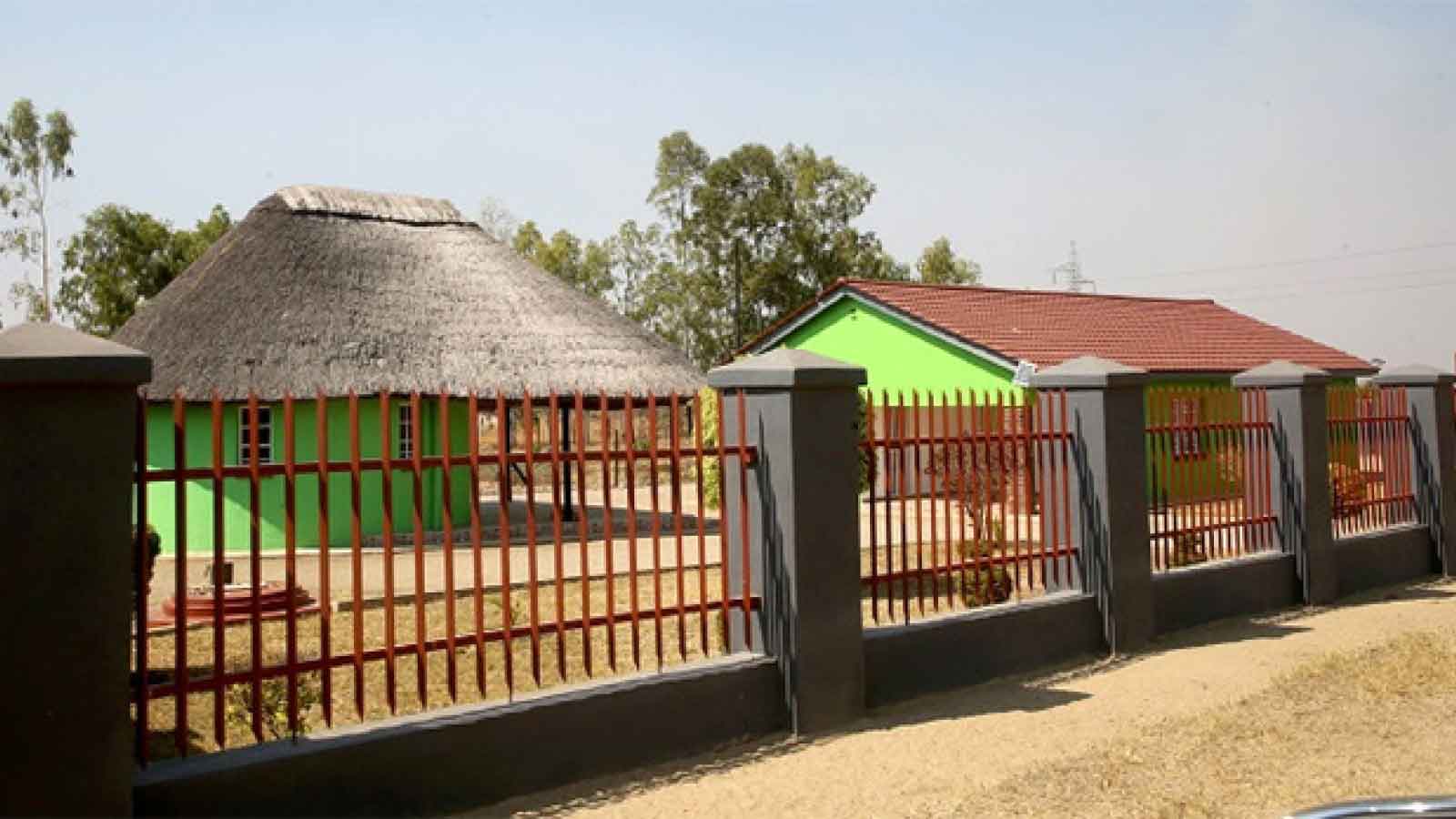
Michael Tome
FROM the fringes of Harare to small towns like Bindura, rural land is emerging as a viable substitute for home seekers priced out of urban markets.
With average urban property prices having risen by over 300 percent in the past five years, many middle-income earners find themselves unable to afford even entry-level homes in cities, pushing them to seek alternatives in rural areas.
Notable growth in property construction is unfolding in rural Zimbabwe, with a surge in housing construction and land transactions reshaping land ownership patterns in areas once considered outside the mainstream real estate sector.
Villages within a 50-kilometre radius of major towns are experiencing the most intense activity, with new homes springing up along feeder roads and near growth points.
Observations show that the trend is being driven by a combination of returning diaspora families, first-time home buyers and speculative investors seeking affordable land.
Diaspora remittances have played a particularly significant role, with many Zimbabweans abroad purchasing rural stands as retirement homes or rental investments, often sight unseen, relying on family members to complete transactions on their behalf.
Property experts have, however, cautioned that the rapid expansion is occurring on legally uncertain ground, exposing buyers to significant ownership risks.
Chairperson of the Green Building Council of Zimbabwe Mr Mike Juru said while the shift reflects a positive change in housing demand patterns, it is underpinned by structural weaknesses in land tenure systems.
He noted that the strong cultural desire for home ownership in Zimbabwe, coupled with escalating urban property prices, is fuelling demand for land on the outskirts of cities and in rural districts.
The notion of returning to one’s rural home — kumusha — remains deeply ingrained in Zimbabwean culture, providing an emotional impetus that complements economic motivations.
Mr Juru cautioned that many buyers were acquiring land without following formal legal procedures, often driven by urgency and limited access to affordable housing.
“Out of desperation, people are acquiring stands hurriedly without adhering to the law, but the law remains the law, and due processes must be followed,” he said.
He warned that misalignment between traditional leadership structures and local authorities could result in future disputes or evictions.
In some areas, village heads and chiefs have been allocating land that falls under the jurisdiction of rural district councils, creating overlapping claims that often end in litigation.
“These arrangements are risky. If there is no alignment between the village head and the rural district council, the law will eventually catch up. Due diligence is critical for anyone entering this market,” he added. According to Mr Juru, the absence of title deeds places rural property holders in a precarious position, comparable to urban residents occupying land under lease agreements without full ownership rights.
In practice, most rural buyers receive only an offer letter or a hand-drawn sketch of their stand, which holds little legal weight when ownership disputes arise.
“Real estate markets thrive on confidence and enforceable property rights. Without title deeds, that confidence is undermined,” he said.
Despite these concerns, rural land transactions continue to flourish, largely anchored in informal agreements, customary approvals and endorsements from traditional leaders.
A growing number of real estate agents are now advertising rural stands on social media platforms, complete with drone footage and payment plans, giving the market a veneer of legitimacy that belies its legal fragility.
In many cases, buyers equate the ability to build, sell or rent out property with ownership — a perception experts say is misleading.
Under Zimbabwe’s Communal Lands Act, communal land is vested in the State, with rural occupants granted usage rights administered by rural district councils and traditional leaders on behalf of the President.
This framework significantly limits the extent of private ownership and transferability of such land.
Customary law further complicates the landscape, particularly for buyers unfamiliar with traditional governance systems, creating additional layers of uncertainty in land administration.
In some cases, disputes over inheritance rights have emerged when sellers, often village heads, allocate land without consulting all family members with customary claims.
Mr Juru said a key structural challenge is the lack of surveyed land in rural areas, which makes it impossible to issue title deeds.
“The biggest challenge is that most rural land is not surveyed. Without surveys, title deeds cannot be issued,” he said.
Land development analyst Mr Israel Magora cautioned that the non-existence of proper planning and surveys exposes landholders to potential demolitions.
“When surveys are eventually conducted, some homeowners may discover that their properties are built on designated public land, such as roads or service corridors, and may be required to relocate,” the analyst said.
While Zimbabwe’s Constitution guarantees property rights, enforcement becomes difficult in cases where boundaries are unclear and developments are informal.
The absence of a centralised land registry for communal areas further complicates efforts to establish clear ownership records.
The long-term sustainability of the rural property boom will depend on reforms to land administration systems, including improved coordination between traditional and statutory authorities, expanded land surveying and clearer pathways to secure tenure.
Until then, according to analysts, rural property remains a high-risk frontier for investors and aspiring homeowners alike.
For those willing to navigate the uncertainty, the rewards can be substantial — but experts caution that without legal protection, what appears to be a dream home could become a costly legal battle.