admin
admin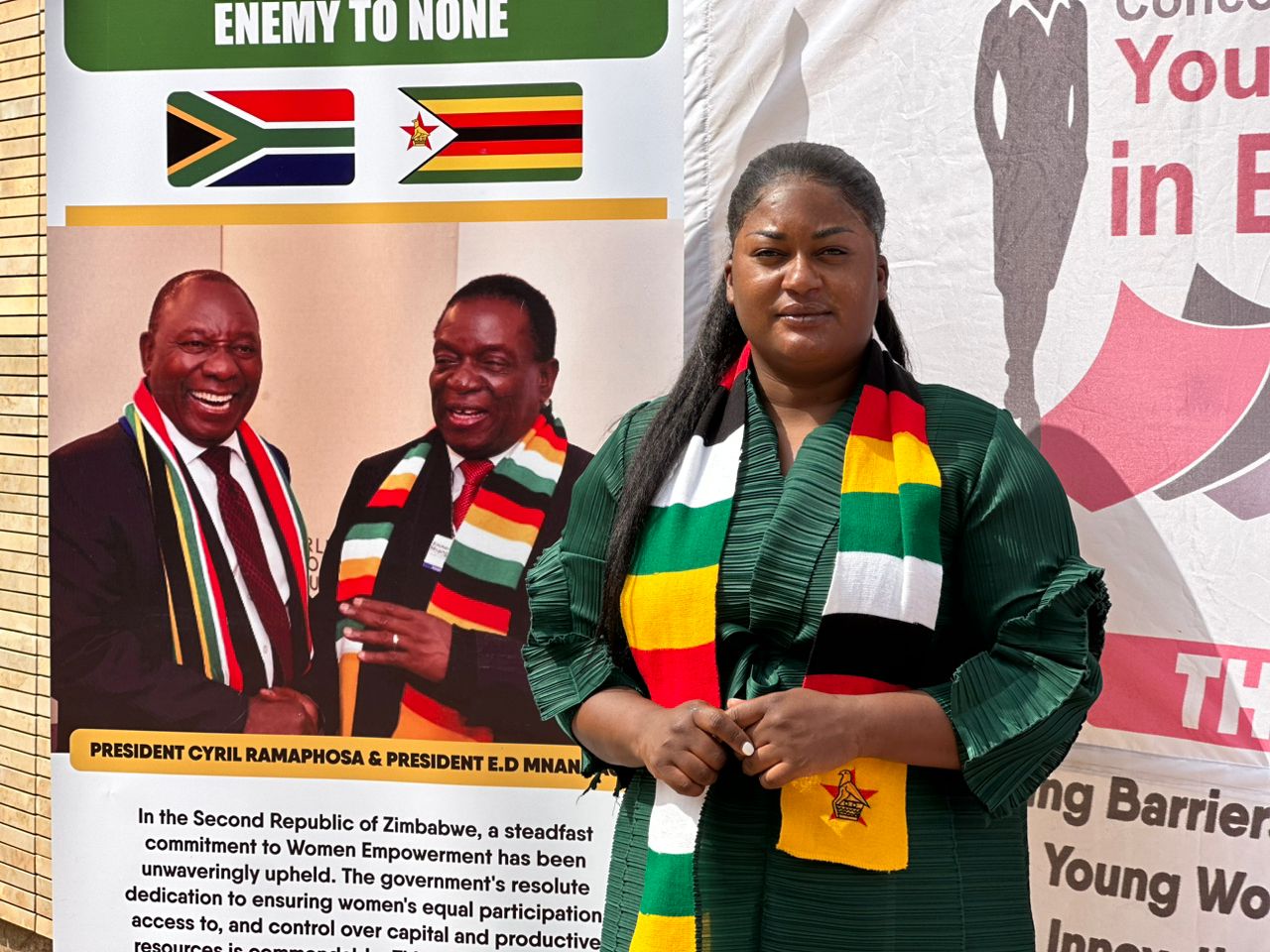
Farai Dauramanzi Herald Reporter
Zimbabwean women joined other women from across Africa at Isisele Senyathi Women’s Hub on African Women’s History in Pretoria, South Africa, to pay tribute to liberation heroines who played a major role in the liberation of their countries from the bondage of colonial rule.
The Women’s Hub, which is in its second year, celebrates women’s accomplishments and stories, particularly the unsung heroines, the history they made, and the communities they represent.
It further explores the lives and legacies of African women who have shaped and continue to shape the South African experience and uplifts the voices of indigenous women by promoting lifelong learning and intergenerational dialogue.
It was organised by Ilitha Labantu, meaning people who care about people, in partnership with African Women Independent Forum (AWIF), and ran from Wednesday to yesterday.
This year’s event ran under the theme: “Recovering and preserving the culture and history of African women: Past and present”.
Participants were drawn from South Africa, Zimbabwe, Mozambique, Angola, Eswatini, Namibia, Kenya, Tanzania and Mali.
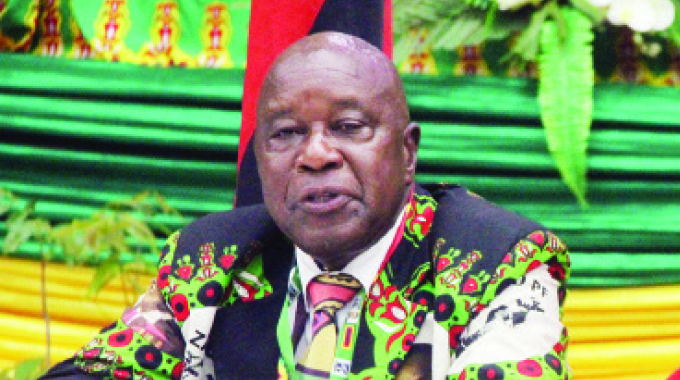
Zimbabwe was represented by Senator Molly Ncube and Concord Young Women in Business Global president Ms Apphia Nyasha Musavengana.
Ms Musavengana said the conference was useful.
“The conference focused on the history that was made by female war collaborators and veterans, and what it has taught us and what we are doing as youths to implement that,” she said. “As you know, President Mnangagwa during his campaigns, was celebrating the war veterans, his colleagues he was with during the war.
“Part of those who were celebrated were women and he has been acknowledging women veterans as they are now part of the parliamentarians and senators.”
Ms Musavengana commended President Mnangagwa for appointing women veterans such as Cde Oppah Muchinguri-Kashiri into powerful positions.
Minister Muchinguri-Kashiri is the Defence Minister.
First Lady Dr Auxillia Mnangagwa had also been encouraging young girls to speak up, as they are the war veterans of today since they fight in defence of their country through their votes.
“It is now time to make a new history of development, of having better healthcare, safe homes for women and children, free education and skills through programmes such as our organisation’s ICT training,” she said.
In her presentation, Ms Musavengana acknowledged the huge strides that have been made by Zimbabwe since independence, and encouraged other African countries to follow that route to be fully independent.
“History has been made, activists from grassroots to national platforms have left a mark. Civil rights organisations and students’ uprisings, liberation movements and all of us here are following the trail,” she said.
“In Zimbabwe, the war veterans fought for the land and we are now owning the land. Youths are now owning farms, plots, houses as well as mines.”



 Online Reporter