admin
admin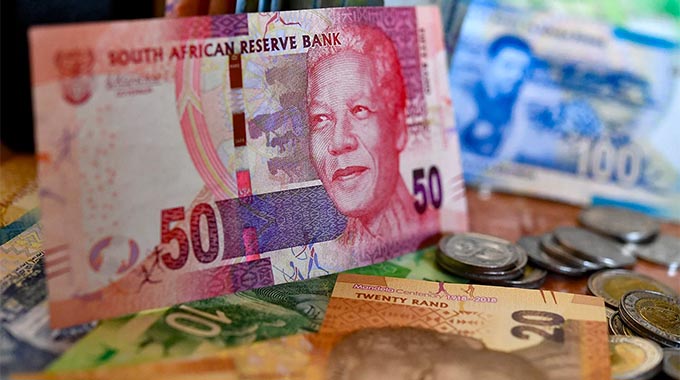
Johannesburg. — The outlook for growth in South Africa’s economy in the next few months is muted, according to a key Reserve Bank indicator released yesterday.
The seasonally adjusted leading indicator provides a guide on how the economy could perform for at least six months ahead.
It does this through tracking the monthly movements of major indicators such as new passenger vehicles sold, job ads and business confidence.
The indicator rose 0,1 percent year on year in October‚ after a downwardly revised 0,5 percent (1 percent) year-on-year increase in September.
The indicator has moved sideways most of this year, often dipping into negative territory, reflecting the challenge of weak economic growth South Africa faces.
The bank said the composite leading business cycle indicator rose 0,2 percent in October compared with the preceding month.
Five of the 10 component time series available for October increased‚ while five decreased‚ it reported.
The latest reading takes the indicator to an index level of 100,9, from 100,6 in September.
The largest positive contributions to the movement in the composite leading indicator in October came from an increase in the number of residential building plans passed, as well as an increase in the Bureau for Economic Research’s average hours worked per factory worker in the manufacturing sector.
Negative contributions came mainly from a decline in the export commodity price index, followed by a narrowing of the interest rate spread.
The composite coincident business cycle indicator decreased 0,8 percent month on month in September and was down 0,1 percent year on year.
The composite lagging business cycle indicator fell 0,6 percent month on month in September, but was up 2 percent on the year.
The bank uses the leading, coincident and lagging composite business cycle indices to indicate the direction economic activity is likely to take in the short term. — Businessday.


 Online Reporter