Online Reporter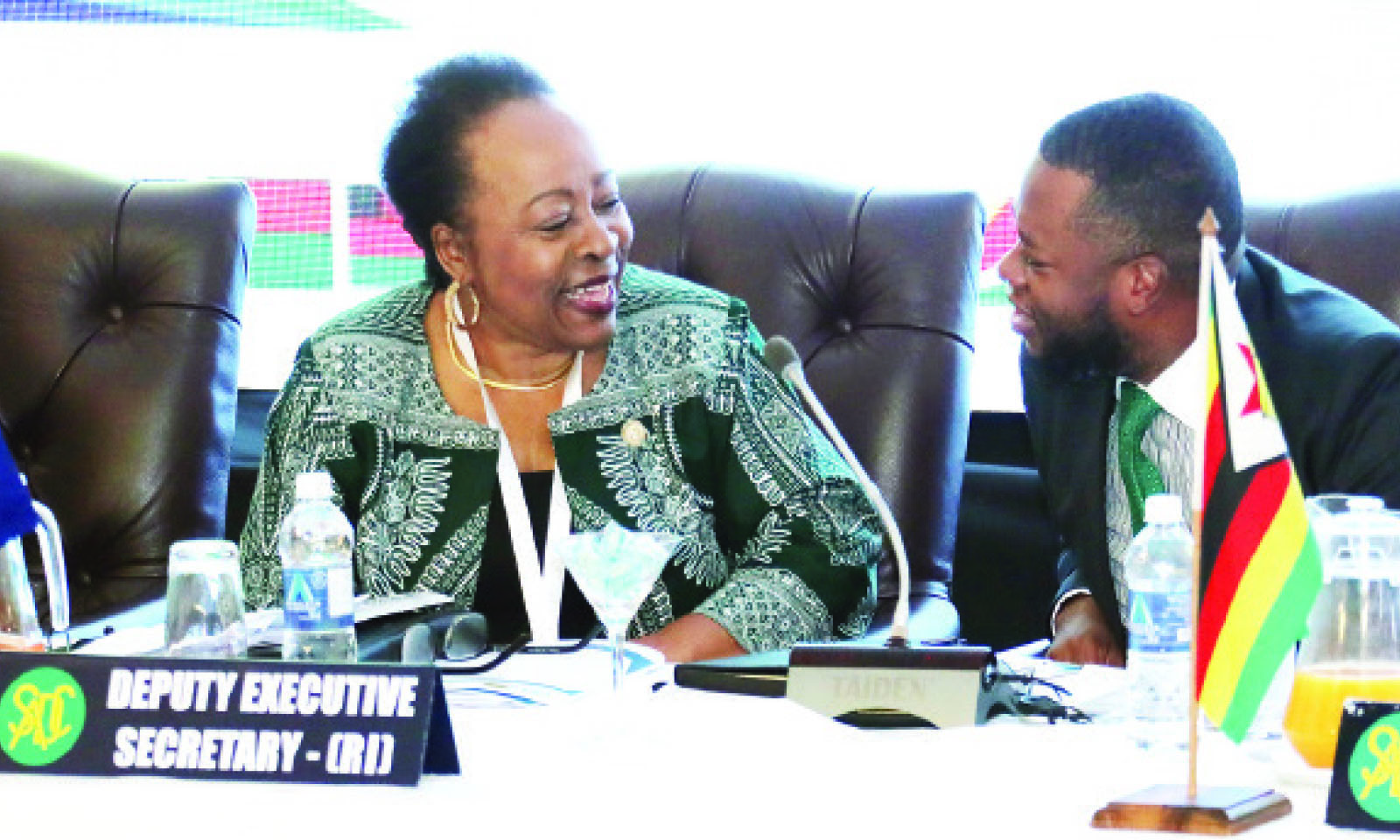
Rutendo Nyeve in VICTORIA FALLS
ZIMBABWE has been commended by the Southern African Development Community (SADC) for its efforts in modernising its national statistical system and aligning it with regional and international standards to support evidence-based policy-making and foster economic growth.
In an interview on the sidelines of the SADC Statistics Committee meeting here yesterday, SADC’s Deputy Executive Secretary for Regional Integration, Ms Angele Makombo N’tumba, praised Zimbabwe’s progress, emphasising its importance in socio-economic planning.
“When we compare Zimbabwe to the 16 SADC Member States, we can say that Zimbabwe is on track in significantly improving its data collection and monitoring systems.
“As you know, without reliable data, effective planning in social and economic development becomes very challenging. We are pleased with the progress Zimbabwe has made, which sets an example for other member states,” Ms N’tumba said.
Zimbabwe’s initiatives, implemented through the Zimbabwe National Statistics Agency (Zimstat), include modernising data collection and analysis, leveraging technology to enhance data quality and reduce processing times, fostering cross-sectoral collaboration, and launching the maiden Economic Census.
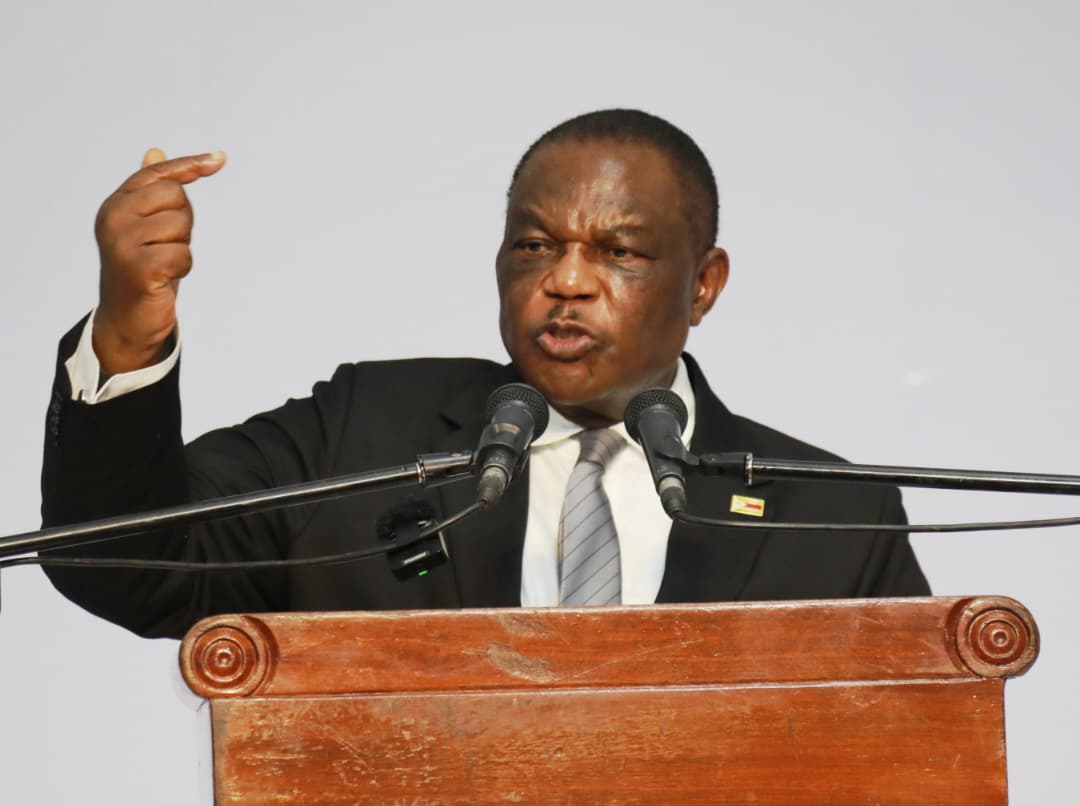
During the official opening of the SADC Statistics Committee meeting, Deputy Minister of Finance, Economic Development and Investment Promotion David Kudakwashe Mnangagwa highlighted how these efforts have improved data quality, reduced processing times, and established a solid foundation for generating consistent, non-duplicative statistics.
“In today’s data-driven world, national and regional statistical systems are more crucial than ever. Zimbabwe remains committed to building a resilient National Statistical System,” he said.
“Through ZIMSTAT, we have undertaken several transformative initiatives, working closely with line ministries, academic experts, and development partners.
“We have made significant progress in modernising data collection and analysis, leveraging technology to improve data quality and timeliness.”
He cited specific examples such as the integration of Reproducible Analytical Pipelines (RAPs) into the Labour Force Survey and Quarterly Employment Inquiry, which have enhanced consistency and efficiency. Additionally, the adoption of Eurotrace and NADABAS systems has markedly improved the timeliness and reliability of trade and GDP statistics.
“As a result, Zimbabwe now produces quarterly GDP estimates and publishes monthly consumer price indices within the same month of data collection, aligning with international standards,” Deputy Minister Mnangagwa said.
He also highlighted Zimbabwe’s emphasis on cross-sectoral collaboration, exemplified by the 2025 Crops, Livestock and Fisheries Assessment (CLAFA), saying this joint initiative between ZIMSTAT and the Ministry of Lands, Agriculture, Fisheries, Water and Rural Development aims to establish a robust framework for agricultural statistics, supporting evidence-based policies in the sector.
He added that Zimbabwe is nearing completion of its maiden Economic Census — a significant national milestone expected to provide crucial data on the structure and scale of the economy, including the informal sector, which often remains under-represented yet is vital to the economy.
“The results of the Economic Census will be instrumental in shaping policies that promote inclusive growth, decent employment, and the formalisation of small businesses,” he said.
“It will also facilitate the creation of a Statistical Business Register, from where future survey samples will be drawn. This initiative aligns perfectly with our Vision 2030, which aims to transform Zimbabwe into a prosperous and empowered nation.”
The Deputy Minister stressed that the demand for high-quality statistics to support decision-making has never been greater, adding that accurate, timely, and disaggregated data are now essential for preparing national budgets, responding to economic shocks, assessing poverty levels, and tracking progress toward development goals.
“Across SADC Member States, reliable data is the foundation of good governance. I commend the SADC Secretariat and all member states for their strides in strengthening regional cooperation on statistics and harmonising systems,” he added.
“These efforts are improving coordination among national statistical offices and aligning data strategies with the SADC Regional Indicative Strategic Development Plan (RISDP), Agenda 2063, and the Sustainable Development Goals (SDGs).”