Online Reporter
Mukudzei Chingwere in Dushanbe, Tajikistan
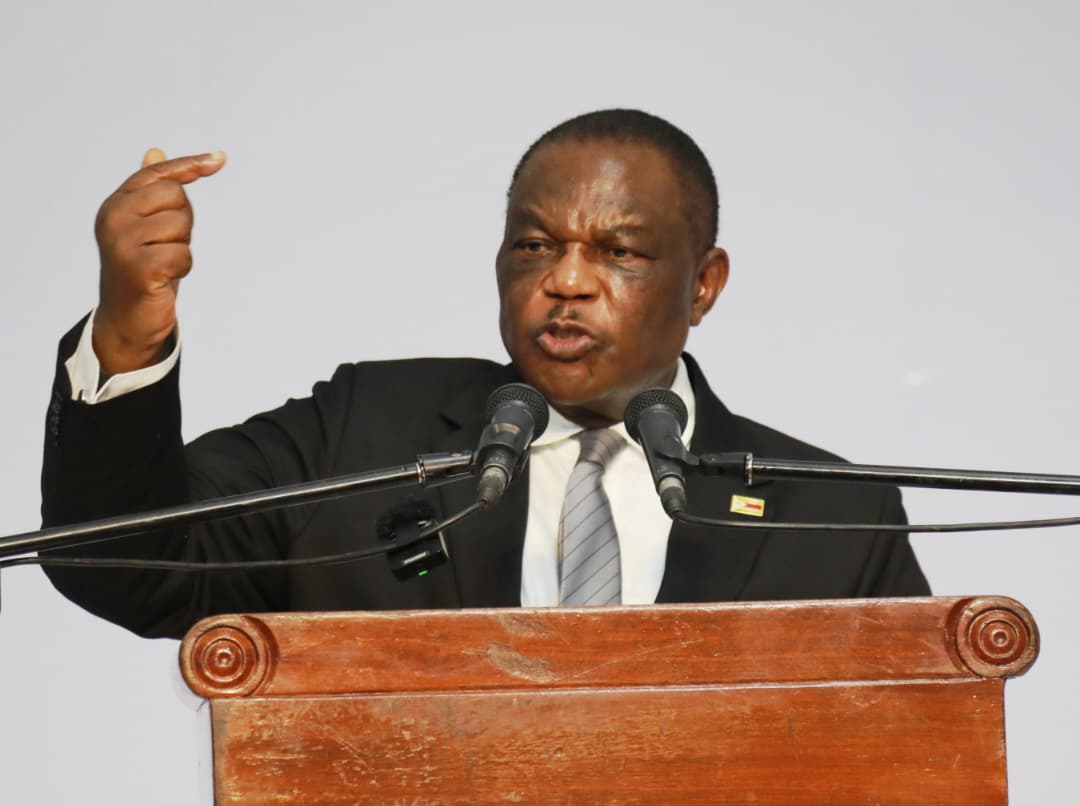
Zimbabwe is this week advancing its quest for international economic synergies in Central Asia, with Vice President Dr Constantino Chiwenga expected to arrive this morning for a series of meetings with key economic players.
His visit follows last year’s trip, during which several economic frameworks were established between Zimbabwe and Tajikistan.
Zimbabwe aims to assess progress on implementation and explore collaboration in electricity generation, aluminium production — transitioning from copper cables to aluminium — maximising agricultural output, and identifying emerging market opportunities.
VP Chiwenga’s visit coincides with the International Conference on Glaciers’ Preservation, scheduled from May 27 to June 1 in Dushanbe, where the Zimbabwean delegation will also participate.
This year’s conference is particularly timely as it addresses the urgent issue of glacial melting, a critical climate change concern affecting regions worldwide.
While Zimbabwe may not have glaciers, the Government recognises the global interconnectedness of climate systems, making participation in this dialogue essential.
As the world moves toward a more climate-conscious future, Zimbabwe is committed to being part of the solution and ensuring African voices are heard in critical global discussions.
A glacier is a large accumulation of mainly ice and snow that originates on land and flows slowly under its own weight. Glaciers are found on every continent and are vital sources of freshwater for people, animals, and plants.
The World Bank reports that over the past decade, Tajikistan has achieved an average economic growth rate of 7,1 percent, with an impressive 8,4 percent growth in 2024, reducing the poverty rate from 32 percent in 2009 to an estimated 9,1 percent in 2024.
With a young population and potential in agriculture, hydropower, and tourism, Tajikistan aims to double or triple domestic incomes by 2030, presenting opportunities for Zimbabwe to benefit from collaboration as it seeks to elevate its economy to upper middle-income status.