Online Reporter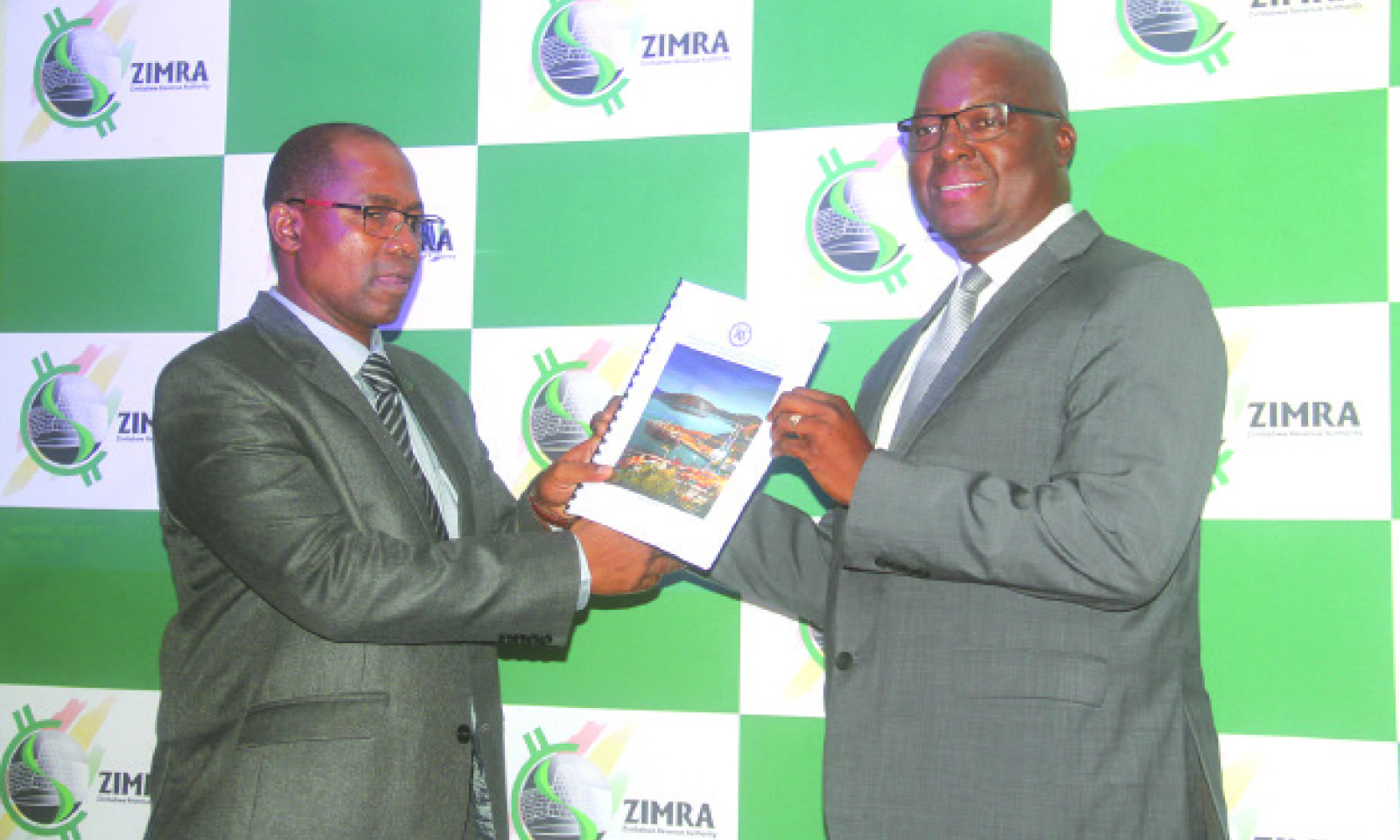
Farirai Machivenyika
Senior Reporter
Sadc countries should coordinate and harmonise border management processes and upgrade both physical and digital infrastructure as part of measures to expedite movement of goods and services in the region, a Time Release Study (TRS) report launched yesterday reveals.
The report was produced following a study instituted by Sadc, with the support of the European Union, under the Trade Facilitation Programme.
The TRS was done along the Sadc’s Regional North-South Trade Corridor.
In his opening remarks, Zimra Commissioner for Customs and Excise, Mr Batsirai Chadzingwa said several bottlenecks at various border posts along the North-South Corridor, including Beitbridge and Chirundu One-Stop-Border Post, were observed and analysed and related to multiplicity of agencies at the same control points, various charges contributing to tariff barriers and other lengthy processes contributing to non-tariff barriers.
“The report thus presents insights through its findings as well as recommendations for each of the challenges noted. To overcome these challenges, the recommendations derived from the findings and conclusions in the report require our serious consideration for implementation.
“Chief among these is the need for cross border coordination and harmonisation of processes, border upgrades covering both the physical and digital infrastructure, embracing technological developments in control and facilitation processes, collaborate with other stakeholders through sensitisation programmes, including consistent stakeholder engagement programmes and effective monitoring and evaluation of agreed action plans,” he said.
Mr Chadzingwa said the measures will go a long way in creating the consistency and predictability that comes with coordinated border management systems supported by effective information sharing amongst the administrators along the corridor.
“We believe that by addressing these challenges and implementing these recommendations, we can significantly improve the efficiency of our regional trade facilitation efforts.
“With regards the Border upgrades and modernisation, I am happy to share with this meeting that, the Zimbabwean Government is making and has made significant strides to ensure that work on the refurbishment and modernisation of Chirundu Border, our border with Zambia is under taken.
“I am quite aware that during the phase of the works, flow of traffic will be disrupted, but our officials at the border will do everything possible to ensure that the border crossing time is kept to the minimum barest level. Yes, the construction must happen, but border crossing times must be kept with the standards,” he said.
In his opening remarks, Mr Alcides Monteiro, the Senior Programme Officer, Customs, and Task Manager of the EU-Sadc Trade Facilitation Programme said the TRS was key in the implementation of the Trade Facilitation Programme which was approved by the Ministerial Task Force on Regional Economic Integration in 2016. “The Programme is meant to support the consolidation of the Free Trade Area in line with the Protocol on Trade, other policy instruments and the SADC Treaty. The TRS is therefore one of the activities included Trade Facilitation Programme and it is meant to support the industrialisation strategy anchored on Regional Value Chain (RVC) in line with the regional integration agenda as outlined in the Regional Indicative Strategy Development Plan (RISDP),” he said.