Chronicle Editor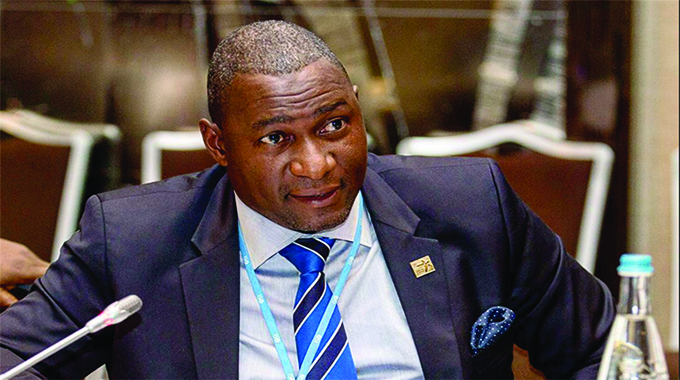
Raymond Jaravaza, [email protected]
AS calls keep mounting for Western powers to unconditionally lift the illegal sanctions they imposed on Zimbabwe at the turn of the millennium, former Cabinet minister and Nyanga South legislator, Cde Supa Mandiwanzira, has reminded Zimbabweans about the detrimental effects of this embargo on their daily lives.
The country’s businesses continue to suffer under these sanctions, and the Government has been unable to attract the needed investment into the economy due to the unequal treatment Zimbabwe receives in the global market.
“Zimbabweans must understand that sanctions have a negative effect on their livelihoods. Let’s for a moment forget about the effects of sanctions on businesses and focus on how the livelihoods of ordinary Zimbabweans are affected,” he said in an interview with a local online television channel.

Cde Mandiwanzira cited the effects of the sanctions on the implementation of capital projects while noting the progress the country is making in harnessing local resources to build and maintain its infrastructure such as roads, border posts, and airports.
“This country is on an aggressive programme to rebuild its infrastructure. Roads are being repaired, new roads are being constructed, airports are being revamped and border posts are being renovated,” he said.
“This is an investment that requires more money to be circulating in the economy, more capital being invested into the economy and more lines of credit being poured into the economy.
“All of this has, however, not been happening at a pace that we would like it to happen as Zimbabweans because of the economic sanctions imposed on the country. I can tell you that it’s been hard growing the economy while the country is under sanctions.”
Various projects were successfully completed through collaboration between the Government and friendly nations, such as China.
One standout achievement of this partnership was the renovation of the Robert Gabriel Mugabe International Airport at a cost of US$153 million last year. Additionally, the modernisation of Beitbridge Border Post, a key initiative of the Second Republic, was also successfully commissioned in 2022.
In a bid to combat economic sanctions, the Citizens Against Economic Sanctions spearheaded a campaign to collect anti-sanctions signatures. The organisation’s executive director, Mr Martin Zharare, revealed that their ultimate goal was to amass more than 1 million signatures and present them to the US Embassy in Harare, demanding the immediate and unconditional removal of the sanctions.
“We are going to make sure that we deliver it to the American Embassy in Harare to show that the people of Zimbabwe are behind President Mnangagwa when he calls for the removal of sanctions and we are very happy that the people of Zimbabwe have signed the petition without coercion,” he said.

Mr Richard Mahomva, a director in the Ministry of Information, Publicity, and Broadcasting Services, commended members of the Politburo for signing the anti-sanctions petition on Tuesday. This was in preparation for the Anti-Sanctions Day commemorations set to take place tomorrow.
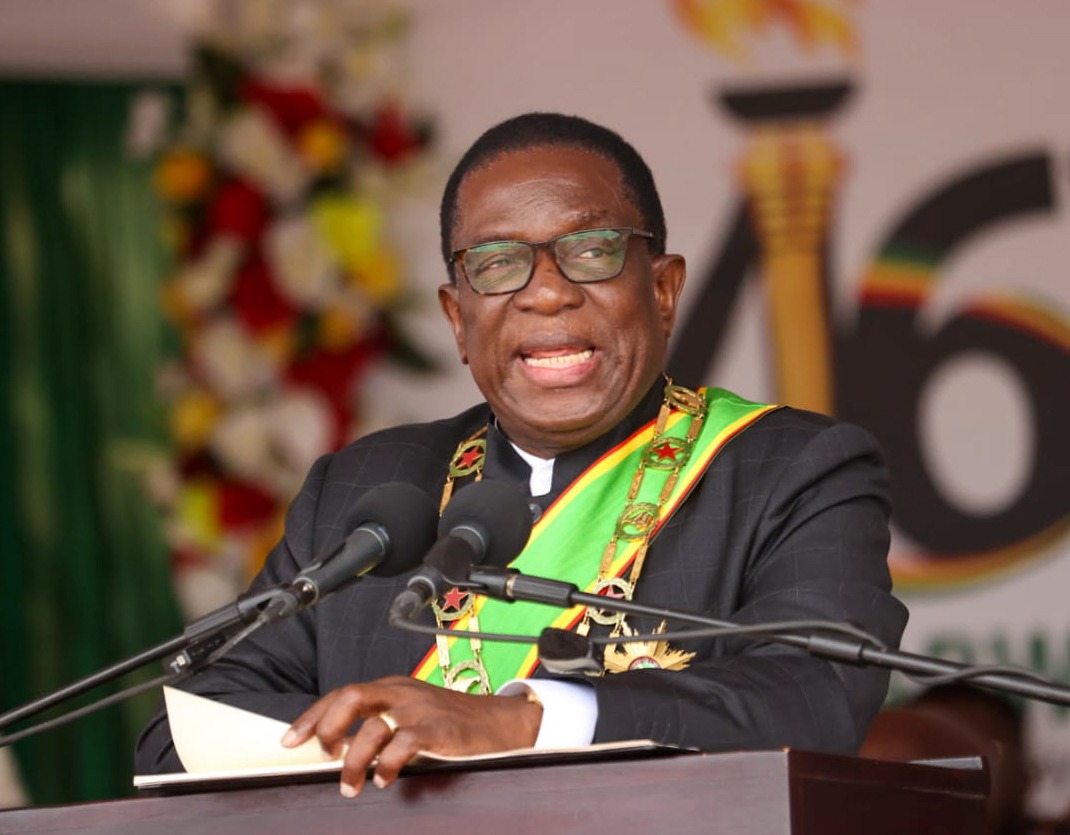
President Mnangagwa, who is also the SADC Chairman, is expected to deliver the keynote speech in Bulawayo, emphasising the growing international and regional demand for the complete and unconditional lifting of the illegal sanctions imposed on Zimbabwe.
The SADC Anti-Sanctions Day coincides with Zanu-PF’s Annual National People’s Conference, which will be officially opened by President Mnangagwa and conclude on Saturday.
For more than two decades, Zimbabwe has suffered under the weight of the illegal sanctions, restricting it from advancing on the global platform.



 Online Reporter