Online Reporter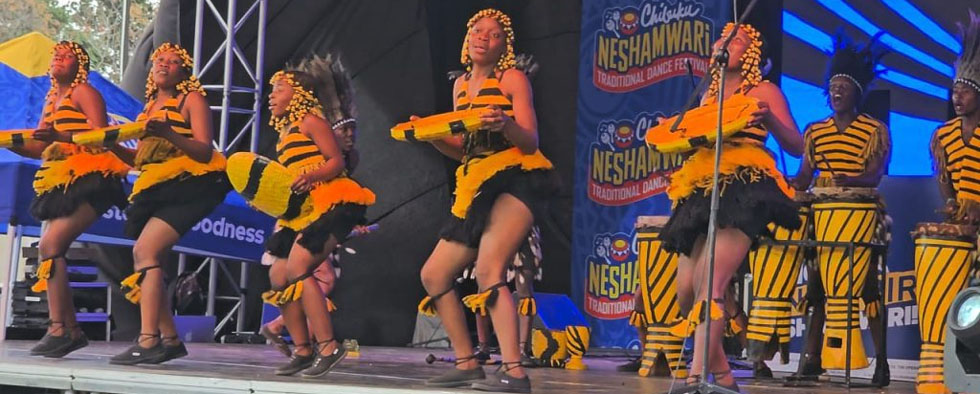
Liberty Dube
Entertainment Correspondent
IN a remarkable debut, Semvumba Arts Group, defied expectations to clinch the second runner-up position at the Chibuku Neshamwari National Traditional Dance finals held at Mutare Showgrounds last Saturday.
The 15-member ensemble’s stunning performance marked a historic moment, as they took to the national stage for the first time.
Their impressive display earned them a well-deserved prize of US$7 500, capping an extraordinary rise to prominence that began with their provincial debut in Penhalonga in May.
In a thrilling conclusion to the finals, Harare-based Green Stars emerged victorious, taking home the grand prize of US$15 000.
Goromonzi Arts Ensemble secured second place, earning a prize of US$10 000, while Semvumba Arts Group claimed the second runner-up position, receiving US$7 500.
Other talented groups that showcased their cultural dance prowess include Guruve Marimba Stars (Mashonaland Central), Sekunjalo MaAfrica (Bulawayo), Jeketera Renyaungwe (Masvingo), Imvimbi Arts (Matabeleland North), Katawa Dance Group (Mashonaland West), Undi Gure (Midlands), and Sekusile Dance Group (Matabeleland South).
All the groups gave stellar performances, making the event a true celebration of Zimbabwe’s cultural diversity.
Semvumba’s story is nothing short of inspirational.
Fresh from representing Zimbabwe at the Osaka Expo in Japan, Takudzwa Matete reunited with his group, Semvumba Arts Group, just two days before the National Traditional Dance Finals.
The reunion proved fruitful, as the group clinched the second runner-up position, with Matete’s artistic versatility and leadership playing a pivotal role in their success.
A skilled player of mbira, hosho, and drums, Matete was part of the Zimbabwean delegation that showcased the country’s rich culture in Japan.
Speaking after the closely contested final, Matete expressed his excitement and relief.
“The whole group is ecstatic and happy about this achievement. We are planning to grow and develop our group, with the vision of becoming one of the best in entertainment and musical production,” said Matete, while acknowledging the intensity of the competition.
“This was not an easy contest. We were up against renowned and experienced groups, but focus and confidence carried us through,” he said.
Taurai Moyo, one of the event adjudicators, praised the high standard of performances at the Chibuku Neshamwari National Traditional Dance finals, noting that any group could have taken the top prize.
However, Moyo emphasised the need for better communication between organisers and performers to ensure seamless executions.
“Organisers should request technical riders from groups beforehand,” he said.
A technical rider is a document outlining specific technical requirements, including sound, lighting, stage setup, and equipment needs to ensure the performers are well-prepared and stage setup aligns with their artistic vision.
Moyo commended the event’s sound and lighting, but highlighted the importance of informing groups about stage dimensions and available equipment.
“This helps groups plan their choreography and utilise resources effectively,” he said, while also encouraging participating groups to innovate and showcase fresh ideas.
“Many performances followed familiar choreography. We want to see new acts and creativity on stage,” he said.
Regarding Semvumba Arts Group, Moyo offered high praises.
“They performed exceptionally well. Their newcomer status should not hinder their growth. This achievement should boost their confidence and propel them forward,” he added.