

 Online Reporter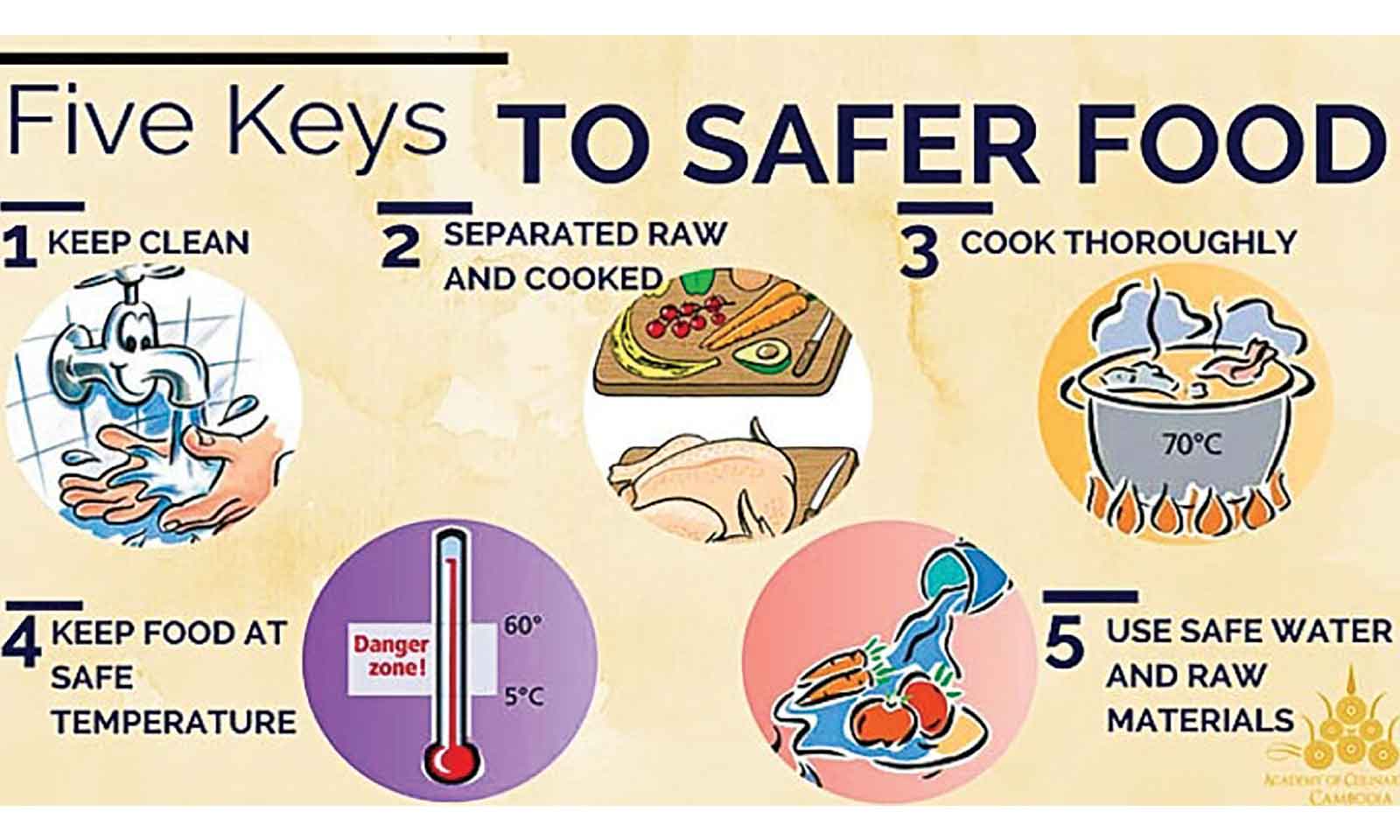
Rumbidzayi Zinyuke
Health Buzz
For many households, the first rains signal hope.
Dust settles, crops germinate and rivers begin to run again. Children splash in puddles, and communities breathe a collective sigh of relief after months of heat and water shortages.
But quietly, almost predictably, the rainy season also ushers in a less celebrated visitor. A surge in diarrhoeal diseases.
It is a story that repeats itself every year across much of Africa, including Zimbabwe.
Clinics begin to record more cases of watery diarrhoea, cholera alerts resurface in public conversations, and worried parents queue at health centres with listless children. The rains, while essential for life, often expose long-standing weaknesses in water, sanitation and hygiene systems, weaknesses that diarrhoeal diseases exploit with ruthless efficiency.
Globally, diarrhoeal diseases remain one of the leading causes of illness and death, especially among young children.
According to the World Health Organisation, diarrhoeal diseases claim about 1,3 million lives each year, with children under five accounting for roughly half a million deaths. That translates to more than 1 300 young lives lost every day to illnesses that are largely preventable.
In sub-Saharan Africa, diarrhoea is consistently among the top five causes of under-five mortality, and seasonal spikes during the rains are well documented.
In Zimbabwe, diarrhoeal diseases are not abstract statistics, they are lived realities.
Ministry of Health and Child Care surveillance data routinely show increased cases during the rainy months, particularly in high-density suburbs, informal settlements and rural communities reliant on unprotected water sources.
In some years, thousands of cases are reported nationally during the peak rainy season, with children bearing the heaviest burden. While not every episode is fatal, repeated bouts of diarrhoea undermine nutrition, weaken immunity and leave children more vulnerable to other infections.
So why do diarrhoeal diseases flourish with the rains?
The answer lies in what the rains disturb and what they expose.
Heavy rainfall often floods pit latrines and washes faecal matter into wells, boreholes and surface water sources.
Open defecation areas are swept into streams that communities depend on for drinking, cooking and bathing. In urban areas, blocked sewage systems overflow, mixing human waste with storm water that flows past homes and marketplaces. When water is scarce, people may already be drawing from unsafe sources, but during the rains, even previously “safe” water points can become contaminated.
Now imagine a household where water has to be carried from a nearby stream that has turned muddy after a downpour. There may be no means to boil water consistently because firewood is wet or fuel is expensive. Handwashing stations may be absent or poorly supplied with soap.
In that setting, pathogens such as Vibrio cholerae, E. coli, Shigella and rotavirus spread effortlessly from water to hands, from hands to food, and from food to mouths.
For children, the danger is particularly acute. A child with diarrhoea can lose fluids and electrolytes rapidly. Severe dehydration can set in within hours, especially if vomiting is also present. Without prompt rehydration and care, diarrhoea can turn deadly, not because it is mysterious, but because it drains the body of what it needs to function.
There is also a quieter, longer-term toll that receives less attention. Recurrent diarrhoeal episodes contribute to stunting, affecting nearly one in three children in Zimbabwe.
Each bout interferes with nutrient absorption, and over time, this can impair physical growth and cognitive development. When we talk about diarrhoeal diseases, therefore, we are not only talking about acute illness during the rainy season; we are talking about lost potential, lower school performance and diminished productivity later in life.
Cholera, often described as a disease of poverty and poor sanitation, tends to dominate headlines during the rains. Outbreaks are dramatic, with rapidly rising case numbers and the ever-present threat of deaths if response is delayed.
But cholera is only the tip of the iceberg. Non-cholera diarrhoea accounts for the vast majority of cases seen in clinics. These cases may not trigger emergency declarations, but collectively, they place enormous pressure on families and the health system.
Consider this: a single episode of diarrhoea may keep a caregiver away from work for several days, reduce household income and increase spending on transport and medication. Multiply that by thousands of households during the rainy season, and the economic impact becomes impossible to ignore.
Health facilities, already grappling with staffing and resource constraints, must divert attention to managing preventable illnesses, leaving less capacity for other essential services.
Prevention, then, is not just a health message, it is an economic and social imperative.
The encouraging reality is that diarrhoeal diseases are among the most preventable causes of illness. Safe water, adequate sanitation, proper hygiene and timely health-seeking behaviour can dramatically cut transmission. Yet prevention is often framed as an individual responsibility, ignoring the structural conditions that make safe choices difficult.
How does a family “choose” clean water when the nearest protected borehole is broken? How do communities maintain latrines when flooding undermines poorly constructed facilities year after year?
This is where collective responsibility comes in. Investments in resilient water and sanitation infrastructure, climate-proofed toilets, reliable waste management systems and community health education are as crucial as individual behaviour change.
As climate change intensifies rainfall patterns, bringing heavier downpours and more flooding, the risk of waterborne diseases will only grow if systems are not strengthened.
At household level, simple actions still save lives, especially during the rainy season. Treating drinking water by boiling or chlorination, storing it in clean, covered containers and using dedicated utensils to avoid contamination can sharply reduce risk.
Handwashing with soap at critical times, after using the toilet, before preparing food and before feeding children, remains one of the most effective barriers against diarrhoea.
For caregivers, recognising danger signs such as persistent vomiting, blood in stool, lethargy and inability to drink, and seeking care early, can mean the difference between recovery and tragedy.
Vaccination is another underutilised line of defence. The rotavirus vaccine, now part of routine immunisation in many countries, has been shown to significantly reduce severe diarrhoea in young children.
Cholera vaccines, while not a substitute for safe water and sanitation, provide an additional layer of protection in high-risk communities, especially during outbreaks and the rainy season.
As the rains continue to fall, the question is not whether diarrhoeal diseases will appear, but how prepared we are to prevent and respond to them.
Are communities receiving timely information before cases surge? Are water sources being monitored and protected? Are health facilities stocked with oral rehydration salts and zinc, the simple but life-saving treatments for childhood diarrhoea?
The rainy season should not be a season of fear. With the right mix of awareness, infrastructure and action, it can remain what it is meant to be: a time of renewal.
Preventing diarrhoeal diseases is not about responding when clinics are already overwhelmed; it is about recognising the warning signs written in the clouds and acting before the first child is carried through the hospital doors weak from dehydration.
As we welcome the rains, we must also confront the realities they bring, not with panic, but with preparedness. Because no child should lose their life, health or future to a disease that clean water, basic sanitation and informed communities can prevent.
Feedback: [email protected]



