Online Reporter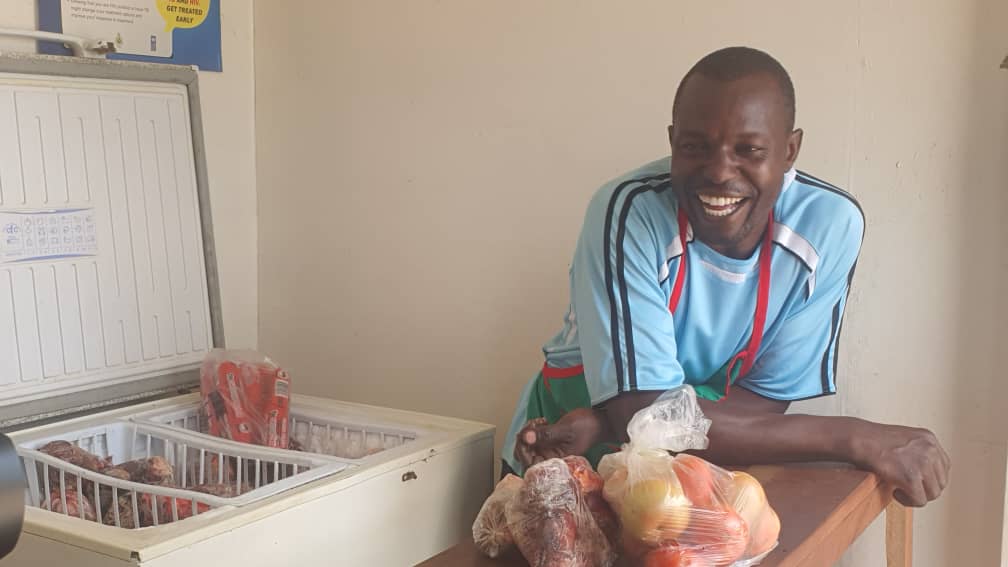
Ivan Zhakata in Dete, HURUNGWE
The rural community of Dete is now connected to electricity following the establishment of a 120kW solar mini-grid under the UNDP Energy Offer Project.
The initiative, which began in 2022, has provided clean energy to 500 households, complementing the Government’s rural electrification drive.
The mini-grid, completed in 2024, has already begun transforming the lives of villagers by powering Dete Rural Health Centre, Dete Business Centre, local primary and secondary schools, a community borehole, and 26 homesteads.
Additionally, four solar energy kiosks were installed to further support the growing energy needs of the community.
For many, access to electricity has been life-changing.
Mr Tavengwa Chisunga, who now runs a bakery, said electricity has transformed his life.

“For years, we have dreamt of having electricity. Now I can bake fresh bread daily and supply the local community. This is a game-changer,” he said.
Others have also seized the opportunity to establish businesses.
Mr Lenon Mutori and Mrs Wadzanai Muchayiwana, both operating butcheries, said refrigeration has allowed them to keep meat fresh for longer, thereby boosting their sales.
Panashe Mangwende, a young entrepreneur, has opened a boutique, while Faith Dzemwa now runs a thriving grocery shop.

“Before this, we relied on generators, which were costly and unreliable,” said Mr Mutori.
“Now we can run our butchery smoothly and meet the demands of our customers.”
The mini-grid is not only empowering businesses but also improving education and healthcare.
With reliable electricity, students at Dete Primary and Secondary Schools can now study in well-lit classrooms while the local health centre can store vaccines and run essential medical equipment.
The success of the project stands as a testament to the power of renewable energy in transforming rural communities.

Chief Kazangarare, who oversees Ward 9, said the initiative is a major milestone.
“This is a momentous achievement for our people,” he said.
“Access to electricity is no longer a privilege but a right, and we are grateful to UNDP and its partners for making this a reality.”
As Zimbabwe continues to expand its rural electrification programmes, Dete’s solar mini-grid stands as a shining example of how clean energy can drive economic growth, improve livelihoods, and create new opportunities in previously underserved areas.