Online Reporter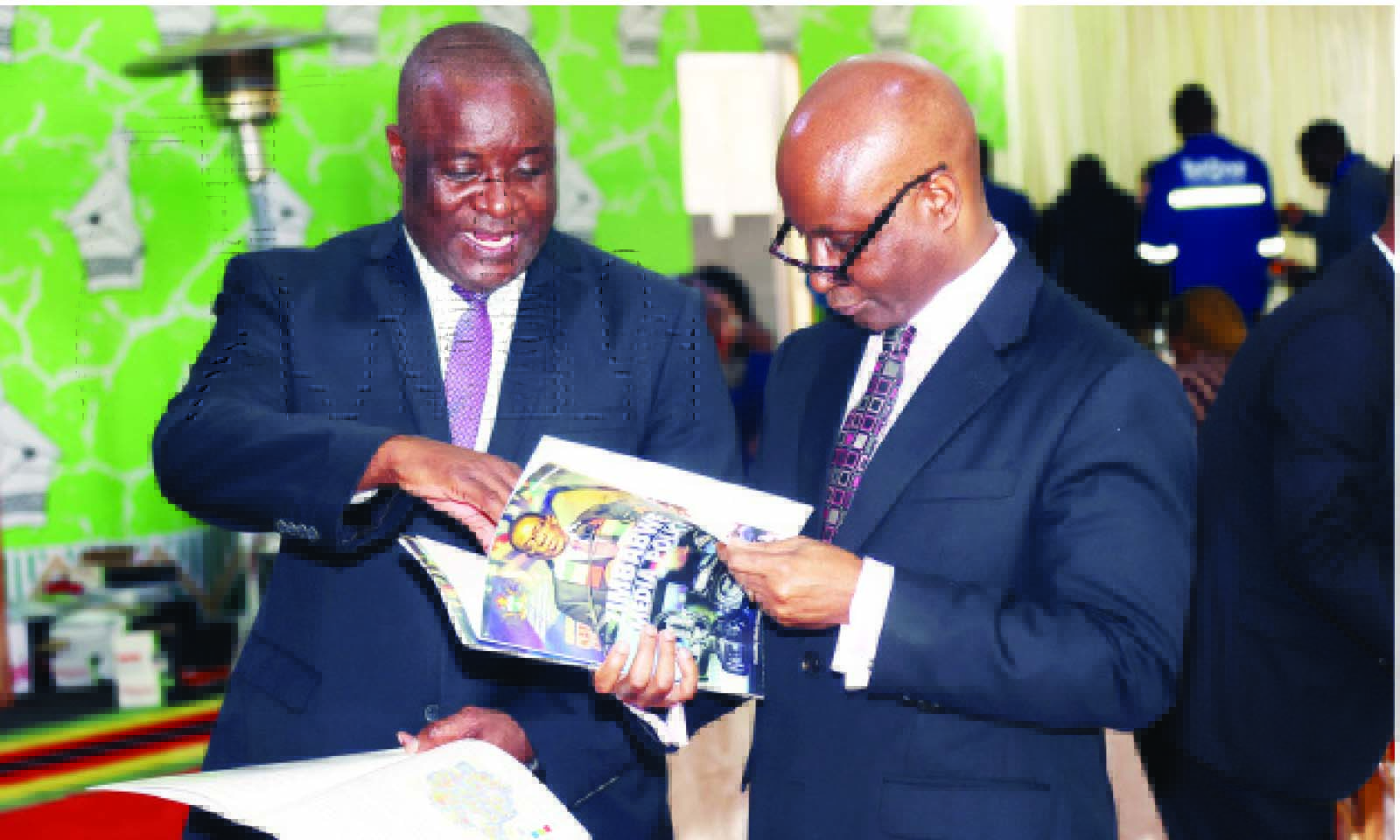
Blessings Chidakwa
Herald Reporter
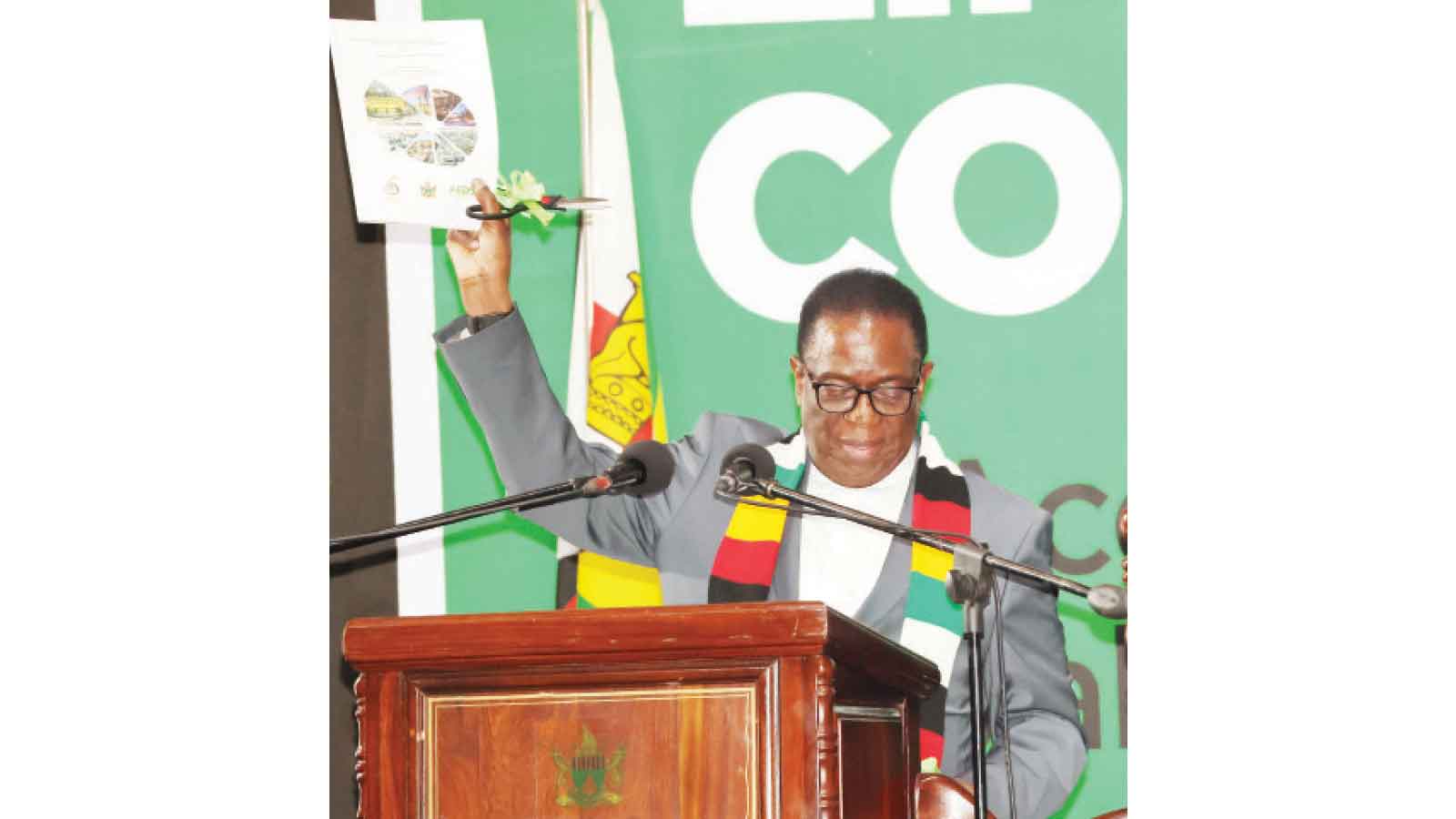
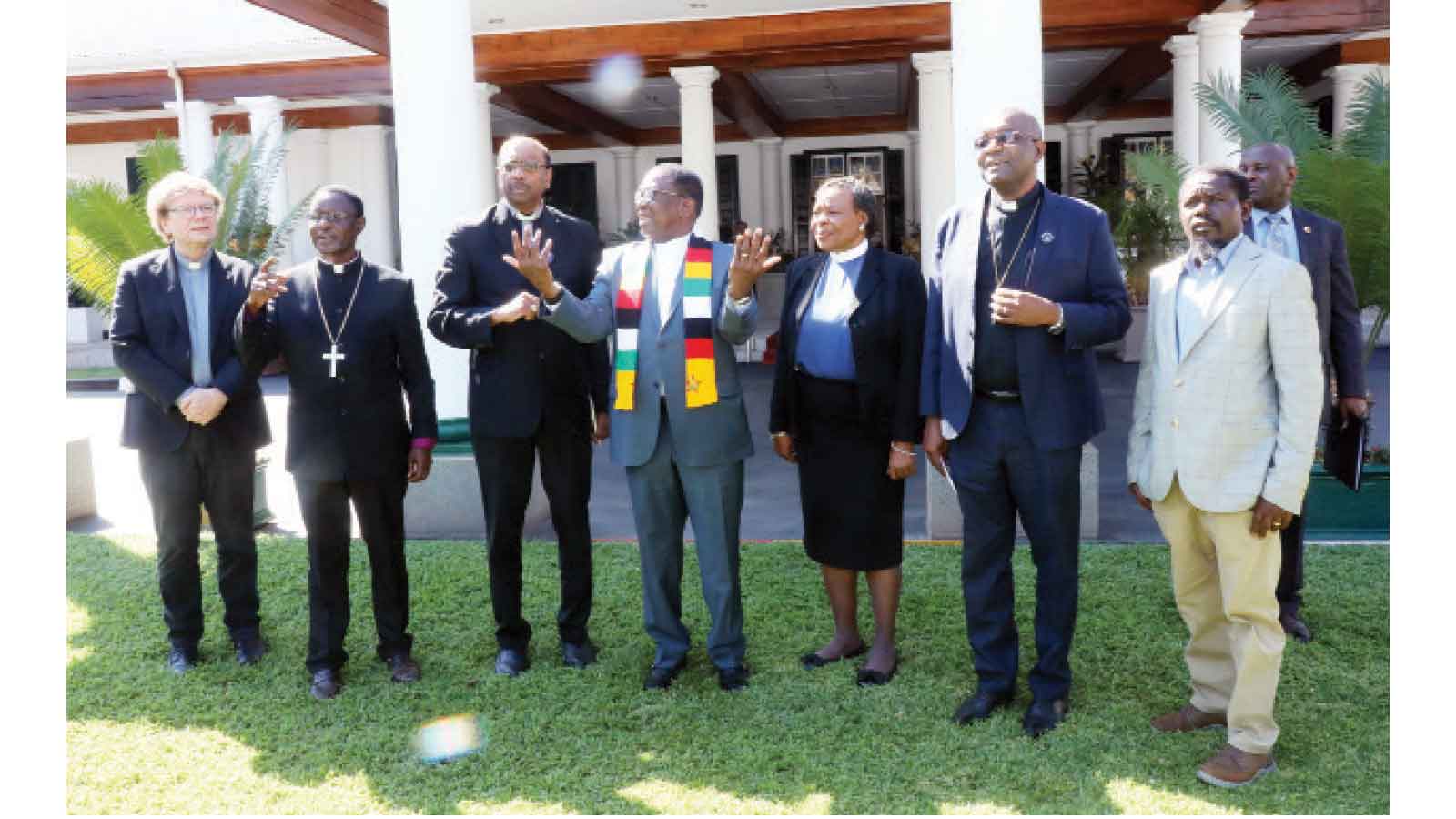
THE landmark Zimbabwe Media Policy launched by President Mnangagwa in Harare yesterday is a significant milestone, reinforcing the Government’s commitment to media freedom while simultaneously seeking to foster professionalism, accountability and national cohesion in the sector, media stakeholders have said.
Stakeholders who include the Zimbabwe Media Commission, Zimbabwe Union of Journalists, media personnel, and academia, said the policy is a transformative step in aligning national media development with constitutional mandates and Vision 2030.
Speaking at the launch at State House, Zimbabwe Media Commission chairperson, Professor Ruby Magosvongwe, said the policy addresses the question that each media house, media player, and the ecosystem was worried about.
“So this is a giant leap, it is a massive achievement, and we are indeed very grateful, very, very grateful.
“This has come at a strategic time where we are having discussions around artificial intelligence, where we are having discussions and conversations around the digital space, the digital economy itself, and also media literacy,” she said.
Prof Magosvongwe said it was also timely considering the influx of foreign media houses during the election period.
“This was one very serious concern which we had at the time,” she said.
Prof Magosvongwe said the other challenge was the need to come up with a media literacy policy to enlighten the general citizen so there is citizenship participation.
“So, we are very, very excited. This helps to iron out so many grey areas that our practitioners used to have in terms of our power, in terms of the framework within which the media would have been actually operating,” she said.
Zimbabwe Union of Journalists secretary-general Mr Perfect Hlongwane hailed the policy.
“This is probably what we call a new beginning. We have always been clamouring for a policy that directs the sector.
“We are going to be looking at what it contains so that we understand the direction that we are going to take as a sector, as professionals,” he said.
Acting Zimpapers chief executive, Mr William Chikoto, said he was excited that finally a media policy has been launched.
“It has been long in coming. As the Minister mentioned, various media houses have their own policies, but those policies were not anchored on a national policy. Now we have a national policy that guides us in our operations. It’s very comprehensive.
“It deals with issues of diversity, ethics, professionalism, and even the profitability of the various media houses. So, as Zimpapers, we are very excited.
“We are committed to professional and ethical journalism, and we pledge that we will remain guided by this policy,” he said.
The chairperson of the Parliamentary Portfolio Committee on Information, Publicity and Broadcasting Services, Mr Caston Matewu, described the launch as a significant step towards media diversification, particularly in light of rapid global shifts in information consumption and dissemination.
“I think what we are expecting from today’s launch is the diversification of media, given the changes that this world is experiencing,” he said.
“So, bringing about this media policy now, and also looking at enhancing artificial intelligence within the media framework, is quite progressive.”
Mr Matewu said the policy is intended to respond to the evolving dynamics in Zimbabwe’s information space, where traditional journalism is increasingly complemented and in some cases challenged by citizen journalists and digital media platforms.
“So, this is the diversification of our media policy in Zimbabwe,” he said, adding that the policy dovetails with recent legislative reforms, including the Broadcasting Services Amendment Act, signed into law this week by President Mnangagwa.
“This is now a culmination of the media landscape to ensure that we have a diversified media landscape in Zimbabwe,” he said.
Media lecturer Mlondolozi Ndlovu emphasised its timeliness and relevance.
“The media policy will be key in the context of changing media dynamics as a result of artificial intelligence.
“It will help shape the national discourse around ethical, professional, and responsible media during these times where technology has affected media consumption and distribution,” he said.
Information, Publicity and Broadcasting Services Minister, Dr Jenfan Muswere, said the policy directly responds to Sections 61 and 62 of the Constitution of Zimbabwe, which enshrine freedom of expression and media freedom.
“The launch of the Zimbabwe Media Policy is in fulfilment of the Constitution,” he said.
“It is a reflection of the deliberate leadership of His Excellency, President Dr E D Mnangagwa, whose guidance continues to shape practical and impactful policy implementation under the Second Republic.”
Dr Muswere described the policy as a product of extensive stakeholder engagement, embracing contributions from media professionals, academia, civil society, and the public sector.
He emphasised that its objectives are multifaceted, ranging from human capital development in the media to heritage-based broadcasting, the full utilisation of all 16 constitutionally recognised languages in content production and highlighting the policy’s strategic value in advancing digital sovereignty amid the growing influence of what he termed “social media imperialism.”
Information, Publicity and Broadcasting Services Permanent Secretary Nick Mangwana said the development of the Zimbabwe Media Policy would not have been possible without the collective efforts and contributions of various stakeholders.
“The aim was to come up with a blueprint that would improve the media landscape in Zimbabwe. I take this opportunity to extend my sincere gratitude to everyone who played a role in coming up with this policy,” he said.
“On behalf of the Ministry of Information, Publicity and Broadcasting Services, I would like to acknowledge all stakeholders, members of staff from the Ministry, and our consultant for making this policy a reality through their contributions and commitment.”
Mr Mangwana said the Government reaffirms its unwavering commitment to implementing the Zimbabwe Media Policy, which embodies the collective aspirations and desires of the Zimbabwean people.