Online Reporter
ZIMBABWEANS have strong Constitutional protection for their freedom of expression and the media, but that sweeping statement of intent does not give the practical measures required to make those rights meaningful and to give protection against deliberate and damaging falsehoods.
Over the years some necessary measures have been implemented, starting with the civil law on defamation, which does tame some irresponsibility in the traditional media.
There have been efforts in Zimbabwe through new Acts of Parliament to have fair allocation of the limited broadcasting electromagnetic spectrum for radio and television, and to at least know through the Zimbabwe Media Commission, who are the publishers in the traditional media.
But there has been very little if anything done over social media, which ranges from high levels of accuracy in a few cases to the most incredibly fake news, and the new opportunities and threats from artificial intelligence are an almost unknown quantity.
The only things that appear to be certain in both these areas is that a lot of social media content is on global platforms owned by a handful of very rich people and that much of the practical application of artificial intelligence to the media is likely to also be in a very few hands.
Concentration of ownership can be a danger, especially when the owners have very similar views and dislike any curb on their power.
So the media policy will help guide both Zimbabwean media and the regulators where they can act. Ever better journalists capable of clear thought and having a strong sense of ethics is an obvious start, hence the practical measures over training in the policy.
At the same time, the experience of what regulation there is in Zimbabwe on the media, and how this has been altered and adjusted over the last few decades, plus the internal measures and discussions over ethics, accuracy and similar areas has brought us to the point where we can put a lot of this together to create a coherent media policy.
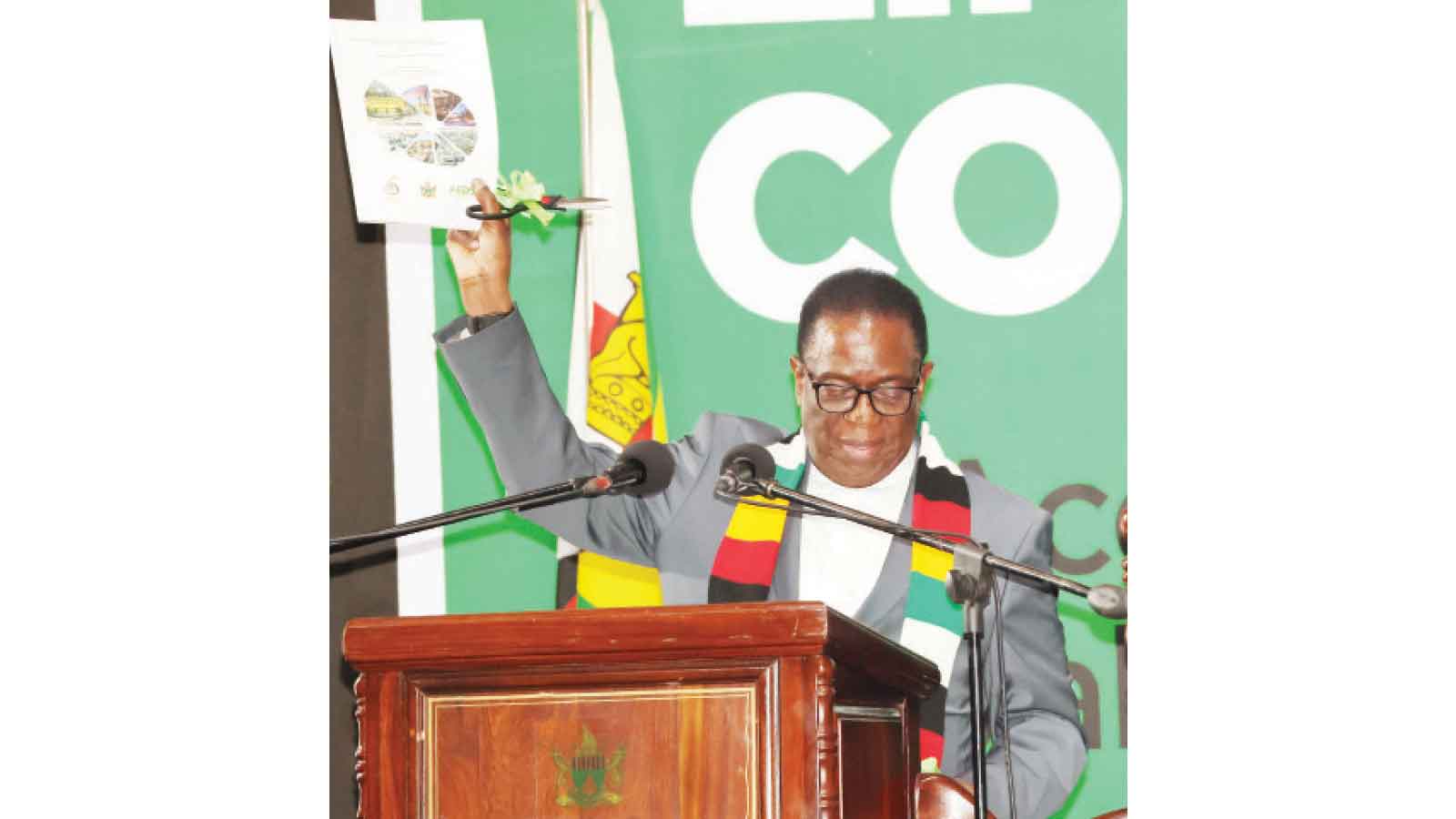
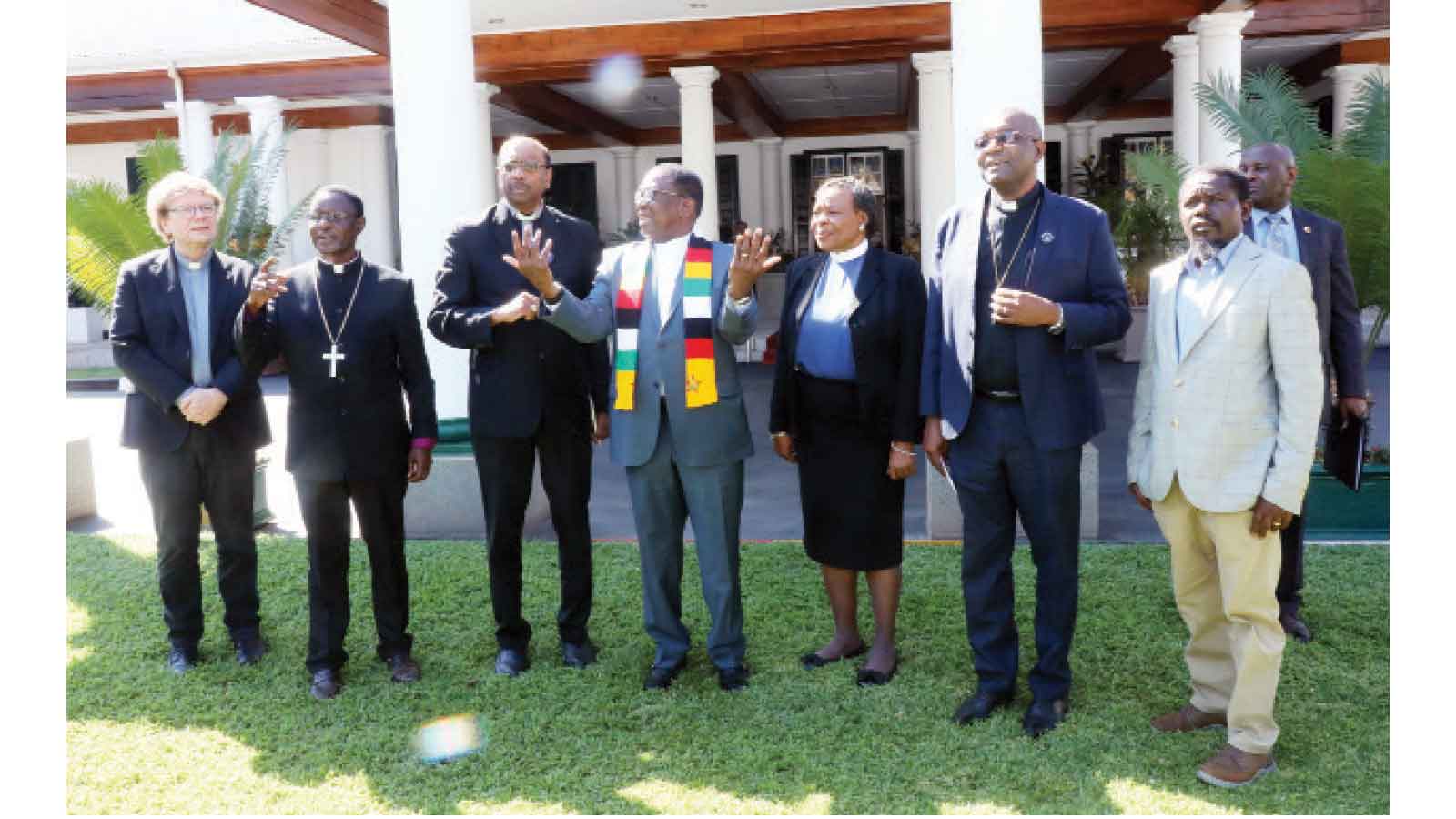
This new national media policy has been drawn up with input from content providers, audiences and users of media information, regulators, academics and others and yesterday was launched by President Mnangagwa at State House.
The policy looks at several areas of the media, and what is needed to ensure that people have a reasonable expectation of fact, can know just who is circulating or publishing what, and that there is maximum possible access. At the base of all these requirements is an important practical point, that media providers should be able to make money, so they can fund themselves and not be at the beck and call of some outsider, foreign, civil, government, domestic or, what is increasingly common these days, a multi-billionaire with their own definite if undemocratic ideas.
This would seem to allow, and perhaps encourage, advertising revenue and subscription services, important as more and more of the media moves online and where it is less obvious where the money to check facts and provide high levels of information gathering are to come from. Where media can compete on competence then the best can make a living.
The policy is also keen on fairness, that limited resources should be allocated fairly. One major area where this happens is in how Zimbabwe’s assigned bands for radio and television broadcasting are allocated. One major advance in recent years has been the licensing of community radio stations along with technical backing.
Many of Zimbabwe’s linguistic minorities, although their languages are rated as official languages in the Constitution, have had a bit of a raw deal in seeing their languages used.
Fortunately most of the small language communities are geographically concentrated, and a community station broadcasting in that language is now fairly easy technically to set up, helping convert another Constitutional right into something useful and practical.
A large slice of the media policy looks at improving access to media, and that is important, with another major thrust being the need for those providing content to take responsibility for what they push out.
The old traditional media were and are legally responsible for what they publish, and are usually in a competitive environment where inaccurate, false and irresponsible content will sooner or later lose an audience.
The wide range of new media are not within this environment and so we will start having to develop ways that people do take responsibility for what they say or write.
Top courts throughout the world have always noted that freedom of expression is not unlimited. There are legal damages involved when people lie or spread untruths. Telling confirmed truth rarely gets anyone into trouble.
Ethics are also involved, with the general desire that the Zimbabwean media should not just be accurate and fair, but also see how they can help promote national unity and the general good of the population.
Sometimes, when being implemented practically, this means adding additional information rather than limiting expression and access.
It should be noted that the media policy is not a set of rules and regulations. Rather it is a set of priorities, needs, rights and general trends, but a coherent set rather than the loose accumulation we have been using.
This added clarity makes it a lot easier when Parliament is looking at new legislation, or the largely independent commissions and industrial groupings are seeking to encourage better behaviour and slam gross irresponsibility, to see how this fits in with the media policy.
This should mean we will see fewer mistakes that lead into non-useful cul-de-sacs and far more practical policy that does both enhance freedom of expression and widening access to media on one hand and enhance responsibility, accuracy and fact checking on the other side.