Online Reporter
Ray Bande
Mutare Bureau
GOVERNMENT remains steadfast in its commitment to improving the welfare of members of the Zimbabwe Defence Forces through various measures, including the implementation of the “Military Salary Concept”.
This comprehensive compensation system provides more than just a base salary, incorporating a range of allowances and benefits tailored to the unique challenges of military service.
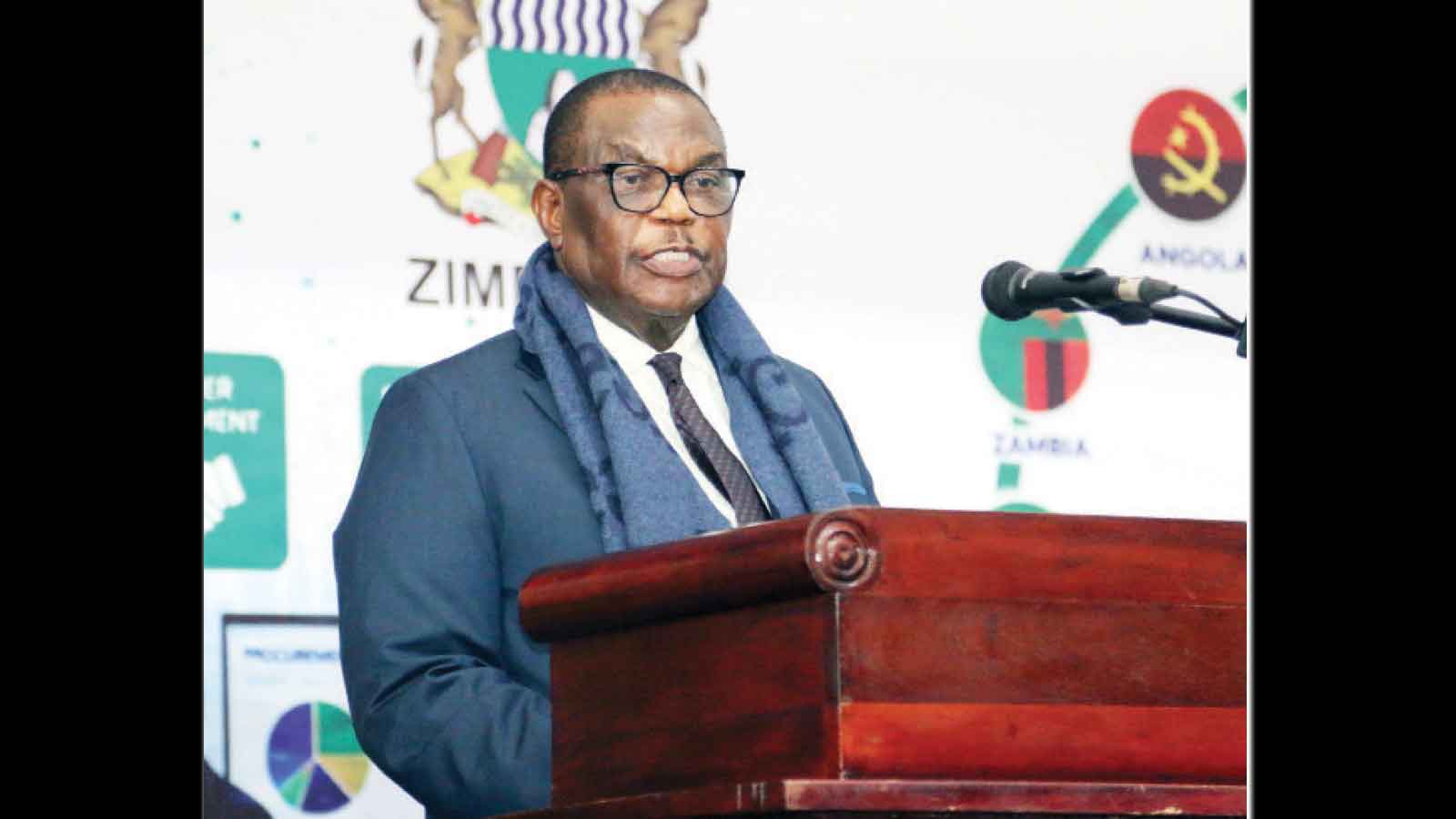
In her keynote address at the official opening of the Ministry of Defence Strategic Review and Planning Workshop in Mutare yesterday, Defence Minister Oppah Muchinguri-Kashiri, represented by her deputy Brigadier-General (Rtd) Levy Mayihlome, reiterated that the welfare of ZDF members must be a top priority.
“In light of the increasing complex operational environment, it is essential that our Strategic Planning Workshop takes cognisance of these dynamics to effectively address the prevailing circumstances and meet stakeholder expectations,” she said.
“Notably, this includes addressing the expectations of our members, particularly regarding conditions of service.
“A motivated force is indeed a critical prerequisite for delivering on our obligations and achieving our objectives.”
Minister Muchinguri-Kashiri highlighted the importance of the planning workshop in producing actionable strategies to tackle long-standing issues related to accommodation, transport and remuneration for personnel.
She expressed gratitude to the Second Republic for its efforts to enhance the welfare of ZDF members, citing initiatives such as the partial implementation of the Military Salary Concept, the commissioning of the Dzivaresekwa Housing Project and the recent handover of 102 vehicles by the President.
“This gesture is expected to significantly enhance our operational capabilities,” she said.
Minister Muchinguri-Kashiri stressed that the introduction of these measures should be complemented by exploring alternative resource mobilisation strategies to supplement funding from the Treasury. She acknowledged that the ZDF’s performance during the period under review had been impacted by challenges such as budgetary constraints, delayed disbursements from Treasury, foreign currency demands, and issues with supplier discipline, which compromised efforts to achieve value for money.
Given the fiscal realities and competing national priorities, it is clear that Treasury’s funding is limited, said Minister Muchinguri-Kashiri.
“Going forward, we must explore alternative revenue streams and adopt self-reliance and self-sufficiency measures to ensure the Ministry’s sustainability and effectiveness,” he said.
In this regard, the Ministry of Defence is proactively revitalising the Zimbabwe Defence Industries (ZDI) and the Defence Economic Development Department (DEDD) to enhance resource mobilisation.
These efforts aim not only to meet existing needs, but also to capitalise on opportunities arising from the Second Republic’s priorities, including infrastructure development, food security and power generation.
Minister Muchinguri-Kashiri also provided an update on pending legal instruments that will shape the ZDF’s operations in the future.
Following directives from the President, she announced considerable progress in tabling the Treaty on the Prohibition of Nuclear Weapons and the Arms Trade Treaty to Parliament, as well as amendments to the Red Cross Amendment Bill and the Defence Act.
“With regards to the Defence Act Amendment Bill, consultations with the Services have been completed, and the draft is with the Office of the Attorney General.
“The Bill for the Biological Weapons and Toxins Crimes was approved by Cabinet and has been submitted to Parliament for gazetting,” she said.