admin
admin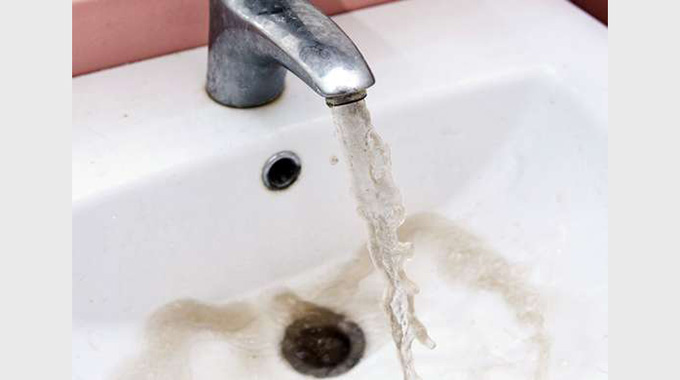
Blessings Chidakwa
Municipal Reporter
Harare still has shortages of water and massive disparities in how the available water is distributed, with some suburbs, including Budiriro 5B, having gone for three years without running water, while many have gone for almost a month without receiving supplies.
Other suburbs may get the water once a week and some almost every day, with no clear policy on how to share.
Section 77 (a) of the country’s Constitution guarantees every person’s right to safe, clean and potable water, but that is not the case in the CCC-ran council which is also failing to deliver on service delivery.
A survey carried out by The Herald found most residents were resorting to borehole water, while some are turning to unsafe sources, risking a potential health hazard.
Women and children were at the receiving end of these water shortages as they were the majority queuing at various boreholes.
Working in collaboration with Harare Residents Trust, The Herald saw that Dzivaresekwa 3, Kuwadzana Phase 3, Cold Comfort, and Warren Park D have gone for 28 days without water.
Glen View 1 and Budiriro 2 near Youth Centre for 21 days, Glaudina, Glen Norah B and C, Kambuzuma, Glen View 3 have gone for 14 days without water.
Other areas that are facing water shortages between two to seven days include Avenues, Braeside, Budiriro 1 and 4, Cranborne, Mbare, Glen View 2, Kuwadzana Extension and New Tafara Dombojena.
A Budiriro 5B resident, Mrs Maria Jinga, said water problems had now become a permanent feature in the area.
“It is now three years since we last received tap water in our area. Several efforts to engage the local authority has been in vain,” she said.
“What pains us the most is we are being billed every month for water which we do not use.”
A Dzivaresekwa 3 resident, Mrs Nobuhle Masangudza, said they had been facing water challenges for some time, but it is now worsening.
“We fear for a potential health hazard,” she said.
“We wake up early to join the queue at the borehole so that we can have quick access to water.”
Mrs Faith Karinda from Kambuzuma complained of serious water woes.
“We do not have tap water and it is now more than three weeks,” she said.
“Usually we receive water from Thursday night to Friday morning, but now it has been three weeks with no sign of tap water.”
A Cold Comfort resident, Mr Alfred Shumba, said they rarely used to have water outages, but these days it was now common.
“We do not have tap water and it is now more than three weeks,” he said.
“Usually, we receive water from Thursday night to Friday morning, but now it has been three weeks with no sign of tap water.”
Glen View 1 resident, Mr Trisha Choga, said they were failing to cope with the water woes.
“We are used to having tap water daily, but our worry is always seeing the rehabilitation works failing to translate to water provision,” he said.
In a statement, Harare Residents’ Trust official Mr Precious Shumba said they were alarmed by the continued shortages of water in dozens of suburbs.
“Despite the life-threatening water shortages and claims of low revenue collections, City of Harare management and councillors are taking turns to organise workshops in Victoria Falls, Masvingo, Mutare, Kadoma, and in Bulawayo where they pay each participant huge amounts in allowances plus fuel coupons,” he said.
“This shows that the water crisis is not a priority to the council policymakers and management. Residents have become desperate. Water is life.
“Councillors and management have a duty to explain and justify what is happening to the residents as part of fulfilling their obligations to provide information to members of the public.”
Mr Shumba said the most frightening part was that Budiriro and Glen View suburbs, which were the epicentres of the cholera outbreak in 2008-2009, had inconsistent water supplies.
Harare City Council spokesperson Mr Innocent Ruwende said the council will continue to take measures to increase water production and reach its target of producing 470 megalitres per day at the end of the year and progressively increase each year until the 800 ML/day production by the year 2025.
Mr Ruwende said boreholes were stop-gap measures as the council sought to address the water challenges in the city.
“As Kunzvi and Musami dams are being constructed, we need to have a clear direction on how the attendant water treatment plans and the reticulation system are going to be funded. This is an area for discussion with the Government,” he said.
“Water infrastructure projects phase 1 of Morton Jaffray treatment works was successfully completed using US$72 million China Exim Bank Loan Facility. We are now planning for Phase 2 rehabilitation project.”


 Online Reporter