admin
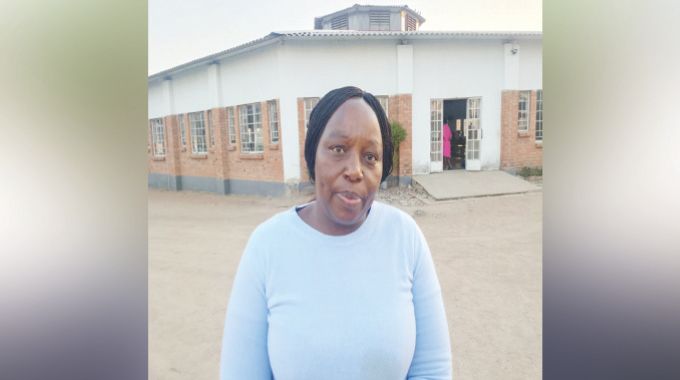
adminDr Davidzoyashe Makosa
Q: What does one do in the tragic event of sexual abuse/rape?
A: The first thing to do is seek IMMEDIATE help and get to either a health facility or police station as soon as possible, ideally within at least 72 hours (preferably sooner). Avoid bathing or changing the clothes until you have accessed help from health providers or the police. This is understandably uncomfortable but is the ideal thing to do if evidence is to be preserved.
Q: Why is it important to seek medical attention immediately?
A: The health providers will usually aim to do the following:-
- Reduce risk of HIV infection by giving anti-retroviral drugs (ARVs)
- Reduce risk of other sexually transmitted infections by giving antibiotics
- Reduce risk of pregnancy by giving emergency contraception
- Reduce risk of tetanus infection by giving anti-tetanus vaccine
- Conduct a medical examination, document and carry out tests, including HIV test
- Collect samples for medico-legal purposes and compile a police report if requested.
- Facilitate psychological counselling.
The current available measures taken to prevent HIV infection and pregnancy can usually be instituted only within 72 hours of the event, so seeking medical attention late disadvantages the client.
Q: Is it ever too late to seek help?
A: While it is ideal and strongly recommended to seek help early, it is never too late to seek help. There is always something that can be done to assist the survivor through this tragic ordeal.
Q: What of pregnancy results?
A: This is usually a decision that depends on the core beliefs of the survivor, the support she gets and is no easy task for those involved. Usually, the survivor has to choose among 3 options:-
1) ADAPTATION: Adapt to mothering and looking after the baby for life. The mother would have to choose to perceive this child as a blessing rather than as a reminder of the traumatic event. She would have to be convinced that this child is not the perpetrator but a survivor just like her. She would have to be prepared on how to deal with criticism and the hurtful things people might say to/about her and or to/about her child in future. She may also face rejection from family members and has to be prepared on how to handle this.
2) ADOPTION: There are structures in place that enable the woman to give up the baby for adoption after birth, if she feels that she is not in a position to look after the baby. She has to live, however, with the possibility that she may not be able to see her child or know what happened to him or her in life and make peace with this decision. She will, however, have the comfort of knowing that she gave the child a chance at life.
3) ABORTION: Legal termination of pregnancy in the event of rape is currently permissible by law in Zimbabwe within certain strictly stipulated parameters (e.g. how far the pregnancy has advanced) as assessed by health providers and only if approved by the magistrate.
This is an irreversible decision — once the termination is done. Quite often, the survivors have to fight past the guilt of having terminated a life. It may turn out to be “double psychological trauma” for the survivor — trauma of the rape and the trauma of making a decision to terminate a life.
Unfortunately due to the permanency of this decision, the psychological consequences are often heavier. Women, who have already terminated often require intense counselling and support whereas, those who are considering it ought to be appropriately counselled to not just consider the short term solution but also the long term consequences. The other two options of adaption to motherhood or offering the child up for adoption require a lot of sacrifice on the part of the woman but they seem to present lighter psychological consequences than the irreversible decision to terminate the pregnancy.
Q: How does the survivor deal with the psychological trauma?
A: Psycho-social counselling of the survivor and the family is crucial. Survivors’ support groups are also helpful as it is easier for survivors to relate to someone who has gone through a similar experience and overcame the obstacles.
Personal Perspective
Rape and or sexual abuse affects the spirit, soul and physical body of the survivor and while the health providers may assist in treatment of the physical consequences and some of the psychological consequences, I personally believe that complete healing of the spirit, soul and body can only come from the Creator and Source of Life, God Himself through the grace of our Lord Jesus Christ.
It is through His Grace that a survivor can forgive, be free from bitterness and be able to help others who would have gone through this traumatic process. This is a subject of great difficulty for me, having seen and heard heart wrenching stories from both women and men and especially the children who have gone through this traumatic event.
Here is the story of a 14-year-old, who got us thinking about the need to revisit the support given to rape survivors. Orphaned, she was raped by her uncle and got pregnant. She adamantly refused termination insisting the child had done no wrong. She was abandoned by her relatives because of that decision but she stood her ground, she delivered her baby and decided to adapt as a mother.
Her plight came to the attention of a Christian organisation and they took her in and have been assisting her as a mother and to resume her studies. This young girl taught us a lesson about the grace and faithfulness of God. She got us thinking about the innocent babies who are caught up in this very emotionally turbulent and traumatic event.
Have we done enough as a society, to support these survivors in opting for pro-life choices that preserve the lives of these innocent babies as highlighted by the 14-year-old girl? By not offering enough support to the mothers to enable them to make pro-life choices, are we not robbing ourselves of future inventors, leaders, solution bearers when the mother eventually makes the choice to terminate the pregnancy because there was no one to offer long term practical support?
As families, communities , the church, organisations and as a society can we really look ourselves in the mirror and say we have offered enough support for the rape survivors to be able to make pro-life choices. It is hoped that the story of the 14-year-old child will help our ears to hear the silent cries of rape survivors and our eyes to see the life and potential of the unborn babies even while they are still tucked away in their mothers’ wombs.
And lest we forget, our brothers and fathers who have silently suffered through the ordeal of sexual abuse, perhaps too embarrassed to utter a word. This is a call to provoke each of us to contribute towards pro-life solutions for sexual abuse survivors. It is well and good to advocate, for justice, stiffer sentences and where possible rehabilitation of the perpetrators of sexual abuse.
However, long after they have been locked away and are facing the consequences of their horrific actions, the survivor still has issues to deal with and if they are not appropriately handled, then the survivor is in a prison of their own, sometimes for life. I believe we will begin to see solutions that remove the invisible prison bars and shackles that sexual abuse victims invariably find themselves.
- Disclaimer :- The above information is meant to provide general guidance on the actions to take after sexual abuse. It is not exhaustive and the care or advice provided may differ from person to person depending on individual circumstances. Individuals requiring assistance are advised to visit the nearest health institution or police station. The views shared in the personal perspective are the author’s opinions based on personal experience. Dr Davidzoyashe Makosa (Obstetrician and Gynaecologist)


 Online Reporter