Rutendo Gwatidzo-Changing Perspectives
Culture is what people do when no one is watching. Every organisation has a culture. It may not be written in the employee handbook, displayed on office walls or mentioned during board meetings, but it exists.
It is reflected in how people greet customers, how managers treat employees, how conflicts are resolved, how decisions are made, just to mention a few. Many leaders spend enormous amounts of time discussing strategy, budgets, technology and expansion plans and the like, while giving very little attention to culture. Yet culture quietly determines whether those plans succeed or fail.
Peter Drucker famously said, “Culture eats strategy for breakfast.” A brilliant strategy cannot survive in a culture that tolerates mediocrity, dishonesty or fear. On the other hand, an average strategy can achieve remarkable results when supported by a healthy, values-driven culture. The greatest danger is that culture never remains neutral. If leaders do not intentionally shape it, it will eventually shape the organisation on its own.
Allow me to share one story that I came across. A young graduate joined a well respected company full of excitement and ambition. During induction, she was introduced to the organisation’s values: integrity, teamwork, innovation and customer excellence. The presentation was inspiring, and she left believing she had joined one of the country’s best employers.
On her second month, she noticed something different. Employees arrived late without consequence. Managers ignored customer complaints. Meetings started well behind schedule, and people openly blamed one another whenever mistakes occurred.
One afternoon she asked a senior colleague, “Why doesn’t anyone follow the values we were taught?” The colleague smiled and replied, “Those values are for the reception wall. Around here, this is how we do things.” Within four months, the graduate had stopped questioning poor behaviour. She had simply adapted to the culture around her.
That is the power of culture. It teaches people what is truly expected not through speeches, but through every day behaviour.
The Coffee Cup Test
A business owner had a unique way of interviewing senior managers. After every interview, he would quietly observe what candidates did with their coffee cups.
Some left the cups on the table and walked away. Others asked where they should return them. A few carried them back to the kitchen without being asked.
When asked why he paid attention to something so simple, he replied, “Skills can be taught. Character and humility reveal themselves in the small things. The way people treat little responsibilities often predicts how they will handle bigger ones.”
Years later, he reflected that the managers who demonstrated humility in those small moments had also built the strongest teams. They respected everyone, from security guards to board members, and created workplaces where people felt valued.
Culture is built less by grand speeches and more by thousands of small daily choices.
Culture is an everyday lesson!
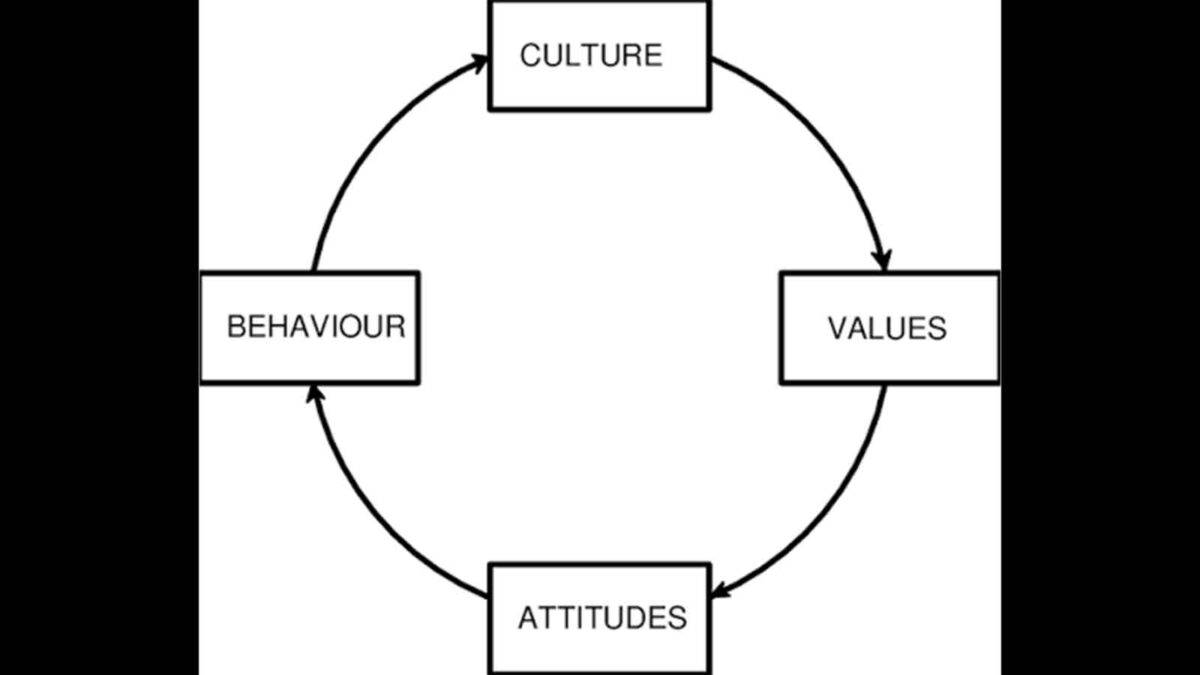
Whether leaders realise it or not, every action teaches people something. For instance, if dishonesty is ignored, employees learn that integrity is optional. If gossip goes unchallenged, people conclude that division is acceptable. If excellence is celebrated, high performance becomes contagious. If leaders admit mistakes, employees become more willing to learn instead of hiding failures.
In his bestselling book The Culture Code, Daniel Coyle argues that strong cultures are built on three foundations: safety, vulnerability and purpose. People perform at their best when they feel they belong, when leaders are willing to admit they do not have all the answers and when everyone understands why their work matters.
Every action you take is a vote for the type of person you wish to become. The same is true for organisations. Every behaviour that leaders tolerate or celebrate becomes a vote for the culture they are creating.
Organisational status!
Many leaders mistakenly believe culture belongs to the Human Resources department, yet it does not.
Culture begins with leadership – Employees carefully observe how leaders respond to pressure, how they make decisions, how they communicate and how they treat people during difficult moments.
Culture is not created by mission statements; it is created by repeated behaviour hence every leader is responsible for culture creation.
John Maxwell once said, “People do what people see.” Employees rarely become what leaders say but, what leaders consistently demonstrate.
The Culture You Ignore
Will Eventually Lead You
Organisations rarely collapse overnight, the decline usually begins quietly when standards become negotiable, accountability weakens, trust fades and people stop speaking honestly. Eventually customers notice the difference long before leaders do.
The African proverb wisely reminds us, “When spider webs unite, they can tie up a lion.” A united culture built on trust, respect and shared purpose creates extraordinary strength.
Food For Thought!
Long after strategies are rewritten and leaders retire, culture remains.
It influences every employee who joins the organisation, every customer who walks through the door and every decision made in the future.
So ask yourself, what is your culture teaching when you are not in the room? Because whether you intentionally shape it or ignore it, culture is always leading someone. And sooner or later, the culture you ignore will become the organisation you inherit.
Rutendo Gwatidzo is a Human Capital Executive as Managing Consultant at The HUB HR Consultancy. She is a Multi-Award Winning Leader, Transformational Speaker and Coach. She is also an Author of Born to Fight and Breaking the Silence books. Contact detail – 0714575805/ [email protected] / Rutendo Gwatidzo_Official fb public page.