Online Reporter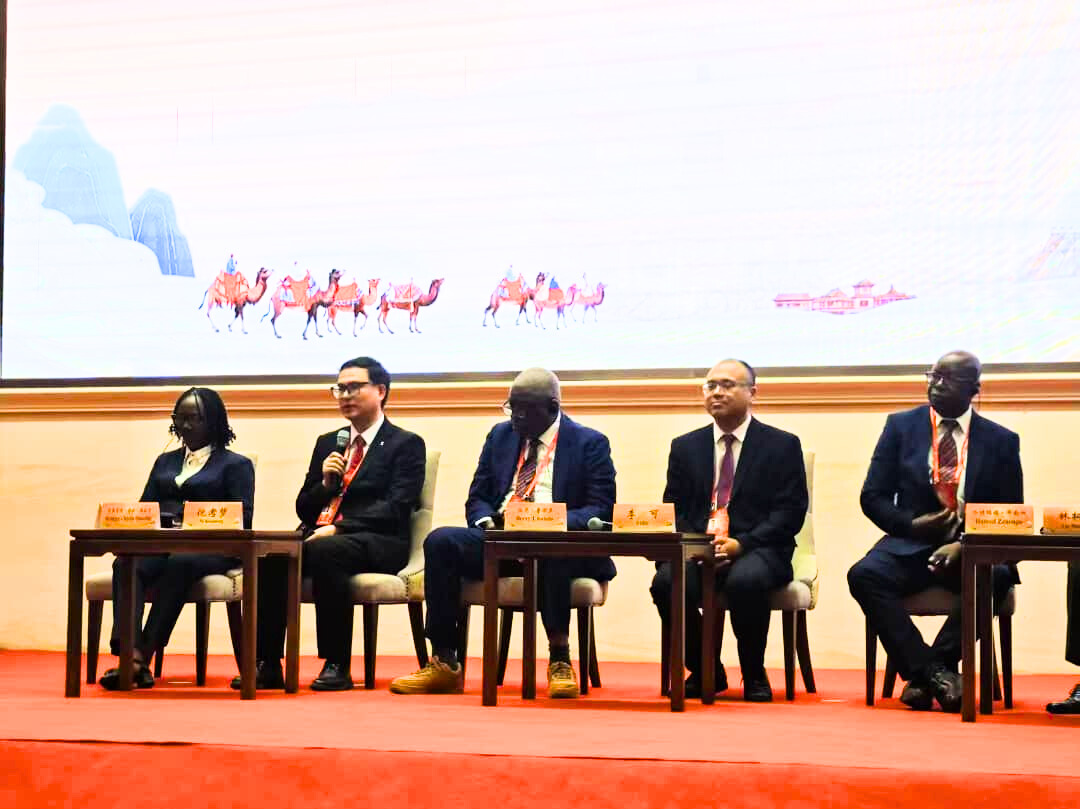
Presentation by Hatred Zenenga, Sunday News Editor, Zimbabwe at the 4th Dialogue on Exchanges and Mutual Learning among Civilisations in Gansu Province, China, May 26 to June 2, 2025.
IN the 21st century, China has emerged as a key player in the global arena, spearheading initiatives that reshape international relations, trade, and cultural exchanges.
One of the most significant endeavours is the Belt and Road Initiative (BRI), often referred to as the New Silk Road. With the advent of Artificial Intelligence (AI), this initiative takes on new dimensions, particularly regarding global youth collaboration and the development of a digital civilisation.
My presentation will explore the intersections of these themes, emphasising their implications for future generations.
Historical context of the New Silk Road
The original Silk Road was a network of trade routes established to facilitate the exchange of goods, culture, and ideas between East and West. However, in 2013, Chinese President Nr Xi Jinping announced the BRI, aiming to enhance connectivity and cooperation among countries across Asia, Europe, and Africa.
The key objectives of the BRI:
— Infrastructure Development: Construction of roads, railways, ports, and digital infrastructure.
— Trade and Investment: Promoting trade partnerships and investments in participating countries.
— Cultural Exchange: Fostering mutual understanding and collaboration among diverse cultures.
Zimbabwe’s inclusion in the Belt and Road Initiative
In 2018, Zimbabwe officially joined China’s Belt and Road Initiative (BRI), marking a significant milestone in its diplomatic and economic relations with China. This inclusion was celebrated as a transformative opportunity for Zimbabwe, as it positioned the country among a select group of nations benefiting from substantial Chinese investments.
This happened during President Emmerson Mnangagwa’s visit to China in 2018 where bilateral relations between Zimbabwe and China were elevated to a “comprehensive strategic status.”
This elevation is expected to enhance cooperation across various sectors, including infrastructure, trade, and investment, fundamentally altering the dynamics of Zimbabwe’s international partnerships.
The role of AI in the New Silk Road
Artificial intelligence is transforming various sectors, including transportation, healthcare, education, and finance. Within the context of the BRI, AI plays a crucial role in enhancing connectivity and efficiency.
Key Areas where AI is influencing the BRI:
— Smart Infrastructure: AI technologies are used in the development of smart cities and transportation systems, optimising traffic flow and reducing energy consumption.
— Data Analytics: AI-powered data analysis aids in assessing project viability and monitoring progress, ensuring that investments yield maximum returns.
— Cultural Preservation: AI tools can help document and preserve cultural heritage along the Silk Road, facilitating cross-cultural exchanges.
Global youth collaboration: A catalyst for change
Youth around the world are increasingly becoming active participants in the global dialogue. The rise of digital platforms enables young people to collaborate, innovate, and engage with pressing global challenges. The BRI provides a unique opportunity for youth collaboration across borders.
Benefits of youth collaboration in the context of the BRI:
— Innovation and Creativity: Young minds bring fresh ideas and perspectives, fostering innovation in various fields.
— Cross-Cultural Understanding: Collaboration among youth from different backgrounds promotes empathy and understanding, which are essential for a harmonious global society.
— Leadership Development: Engaging youth in collaborative projects cultivates leadership skills and prepares them for future challenges.
Digital Civilisation: The Intersection of Technology and Culture
As AI and digital technologies permeate daily life, the concept of digital civilisation emerges. This digital era is characterized by the rapid exchange of information, increased connectivity, and the blending of cultures.
What are key features of Digital Civilisation:
— Global Connectivity: The Internet facilitates communication and collaboration on an unprecedented scale, enabling ideas and cultures to flow freely.
— Cultural Exchange: Digital platforms allow for the sharing of art, music, and traditions, enriching global culture.
— Empowerment: Technology empowers individuals and communities, providing tools for education and entrepreneurship.
Case studies of youth collaboration in the BRI context
Several initiatives exemplify the potential of global youth collaboration within the framework of the BRI.
1 Youth Exchange Programmes:
Programmes that facilitate exchanges among students and young professionals from participating countries promote cultural understanding and collaborative projects.
2 Innovation Labs:
Events that bring together young innovators to solve challenges related to infrastructure, sustainability, and community development foster creativity and practical solutions. A case in point is the Huawei Innovation Hub in Harare.
3 Digital Platforms for Collaboration:
Online platforms that connect youth across borders enable collaborative projects, such as virtual art exhibitions, educational initiatives, and community service programmes. These have been established in many African countries.
The Future of the New Silk Road in the age of AI
Looking ahead, the New Silk Road in the age of AI holds immense potential to shape a more interconnected and collaborative world.
Predicted trends:
— Increased AI Integration: As technology advances, the integration of AI in various sectors will become more sophisticated, enhancing project outcomes and efficiencies.
— Youth-Led Initiatives: Young people will take the lead in shaping the future of the BRI, prioritising sustainability, inclusivity, and cultural preservation.
— Strengthened Global Networks: The collaboration fostered by the BRI will lead to the creation of robust global networks that facilitate ongoing dialogue and co-operation.
China’s New Silk Road, bolstered by advancements in AI and driven by the enthusiasm of global youth, represents a transformative force in the emergence of a digital civilisation. As we navigate the complexities of this new era, it is essential to harness the potential of collaboration, innovation, and cultural exchange.
By doing so, we can create a future that is not only technologically advanced but also inclusive, sustainable, and rich in cultural diversity. The journey ahead is one of opportunities, challenges, and, ultimately, the promise of a brighter tomorrow for generations to come.