Online Reporter
Joel Tsvakwi
In their book, Water and Sanitation for Disabled People, Hazel Jones and Bob Reed argue that traditional water supply and sanitation services are designed with the average person in mind. This approach overlooks the diverse needs of real communities, leaving many individuals, particularly those with disabilities and physical limitations excluded from essential services. A recent Unesco report highlights the urgency of this issue, revealing that 2,2 billion people lack access to safely managed drinking water, and 3,5 billion live without adequate sanitation. The United Nations aims to ensure universal access by 2030, but significant gaps remain, raising concerns that these inequalities may worsen over time.
In response to this pressing need, the Nqobani Masuku Foundation has expanded its “Water for All” programme in Bulawayo, focusing on the elderly and vulnerable populations. Launched in August 2024, the initiative addresses the critical water scarcity affecting several local communities including Magwegwe, Pumula, Njube, Mpopoma, Lobengula, and lminyela. Under the theme, “Water is Life,” the programme recently extended its efforts specifically to assist the physically challenged and elderly in Magwegwe and Njube. Since its inception, “Water for All” has seen remarkable growth, increasing its distribution from 1 500 litres per week to a capacity of 5 000 to 10 000 litres weekly as demand escalates.
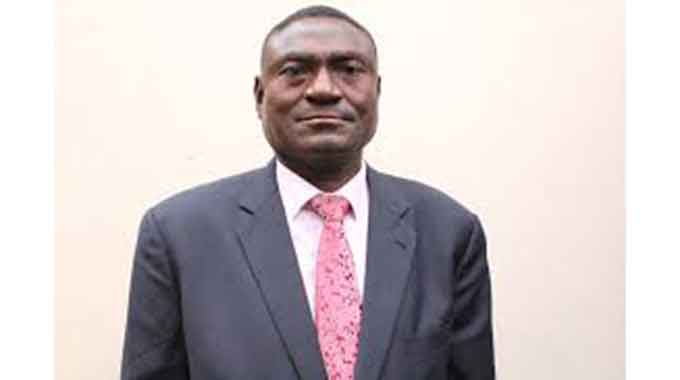
Mr Nqobani Masuku, the foundation’s founding director, emphasises their commitment to supporting those most in need. “As rivers and dams dry up, many families are left without clean water for weeks or even months. This dire situation underscores the urgent need for immediate assistance,” he said. The programme prioritises the distribution of safe water by providing sealed 20-litre containers to families, while households with multiple physically challenged members receive larger 210-litre containers. Additionally, door-to-door deliveries cater to elderly residents who may struggle to access water independently. Meanwhile, the UN World Water Development Report 2023 warns of an impending global water crisis, forecasting that the urban population facing water scarcity could double from 930 million in 2016 to between 1,7 and 2,4 billion by 2050.
Mr Masuku acknowledges the logistical challenges posed by the current demand for water, which averages 5 000 to 10 000 litres daily. “Sometimes, we can only provide a fraction of that amount each week, distributing 100 sealed 20-litre containers and four 210-litre containers,” he explained. To amplify its impact, the foundation has partnered with Heads and Hooves Butchery, its chief sponsor. Despite the growing demand for clean water, Mr Masuku points out that many households also require food donations, diapers, and other essentials. “To date, we have assisted around 25 households with basic food items, including 10kgs of rice, two litres of cooking oil, soap, and diapers for the elderly and physically challenged. However, the urgent need for water is currently a priority,” Mr Masuku added.
The foundation invites other organisations and individuals to join this essential mission to uphold health, dignity, and human rights for all community members. “The, ‘Water for All’ programme is not just about providing water, it is about restoring hope and improving the quality of life for those who need it most,” said Mr Masuku. As the struggle for clean water access continues to impact vulnerable populations in Bulawayo, the Nqobani Masuku Foundation is committed to ensuring that clean water, a fundamental human right, is available to everyone. To secure the water, Mr Masuku said they utilise designated water points provided by the city council while some of the water is purchased. “Currently, there are individuals who sell water. You specify how many litres you need, and they deliver it using trucks equipped with Jojo tanks and pumps.
“In some cases, we draw water from designated water points which are not easy to reach of many people,” he said.
“Water costs US$25 for 2 500 litres, US$50 for 5 000 litres and US$100 for 10 000 litres. Sometimes, the sellers generously add extra litres to support our initiative.”