Moffat Mungazi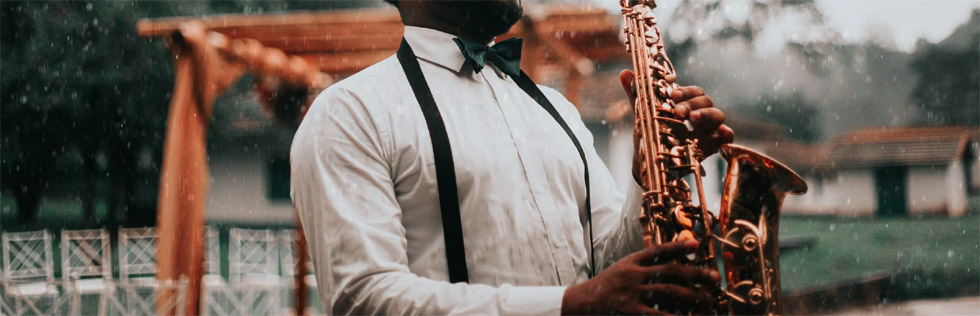
Lloyd Makonya
Correspondent
THE restaurant is packed, the air thick with romance. A woman, elegantly dressed, walks in, unaware of what awaits her. As she approaches the candlelit table, a saxophonist steps forward, his instrument gleaming under the soft lighting.
The first notes of Nyasha David’s Ta Ta Ta fill the air, its familiar melody “Unondiitisa mafindifuva, ndichakuda kusvikira muguva,” sending shivers down her spine.
Her partner, standing beside the table, hands her a bouquet of roses wrapped in crisp US dollar notes as he reaches his pockets to take out a ring and goes down on one knee to propose.
Overwhelmed with emotion, she bursts into tears as onlookers capture the moment on their phones, cheering and sharing the spectacle on social media. This is the latest romantic trend sweeping across Zimbabwe, saxophonists performing live cover versions of popular love songs for special occasions.
But amid the emotional highs and grand surprises, a legal question lingers, are these saxophonists unknowingly committing copyright infringement?
In recent months, Zimbabwe has seen a surge in the hiring of saxophonists for marriage proposals, push gifts, birthdays, and lavish Valentine’s Day surprises. With performers reportedly charging up to US$120 per session, these saxophonists are turning what was once a casual hobby into a lucrative business.
However, under Zimbabwe’s Copyright and Neighbouring Rights Act (Chapter 26:05), the original artistes hold exclusive rights to their work, including the right to control performances of their songs.
Public performances, especially those that generate income require express permission from the copyright holder.
The growing trend raises concerns about whether these saxophonists are securing proper authorisation before performing cover songs, as required by law.
Zimbabwe’s copyright law explicitly grants musicians control over the use of their work.
Any unauthorised performance of a copyrighted song, particularly one that Zimbabwe Music Rights Association (ZIMURA) (a collective management organization responsible for protecting artistes’ rights) board member, Alexio Gwenzi, weighed in on the matter during one radio interview, and said: “It is a crime to perform another person’s work without seeking authority from the artiste who owns the music rights. Our association, however, has the largest number of artistes subscribing to it, and we help them manage their rights and also provide legal guidance during cases of infringement. ZIMURA can assist those who want to do cover songs by giving them guidance on how to do it without infringement.”
Artistes who feel their work has been used without permission have legal recourse.
They can pursue civil claims, demanding financial compensation for losses incurred, or initiate criminal proceedings, where violators face fines or imprisonment for up to two years.
In cases of serious infringement, courts may impose both penalties and even order the seizure of instruments used in unauthorised performances.
While the law is clear, some saxophonists may believe they operate within a legal grey area.
One common argument is that their performances constitute “fair use,” a doctrine that allows limited use of copyrighted material without permission under certain circumstances.
However, Zimbabwean law does not explicitly recognise “fair use” in the same way as other jurisdictions like the United States.
Instead, it follows the “fair dealing” principle, which allows for limited use of copyrighted work for research, criticism, or education but not for commercial performances.
This means that playing a song for personal enjoyment may not be an issue, but once money is involved, the law applies in full force.
Another perceived loophole is that saxophonists only play instrumentals, without lyrics, and, thus do not reproduce the song in its entirety.
However, Zimbabwean copyright law protects both the lyrics and the melody of a song, meaning instrumental covers still require permission from the copyright owner.
To continue their craft legally, saxophonists have several options.
Seeking permission from artistes or their representatives is the most straightforward approach.
In many cases, artistes are willing to grant permission, sometimes for a negotiated fee.
Another way is to obtain a performance licence from ZIMURA, which provides legal guidance on how musicians can legally perform cover songs.
By acquiring a performance licence, saxophonists can ensure that they operate within the law and avoid potential lawsuits.
Establishing formal partnerships could pave the way for more legal and mutually beneficial arrangements.
The emergence of saxophonist cover performances has added an exciting dimension to Zimbabwe’s entertainment scene, transforming ordinary celebrations into unforgettable moments.
However, creativity should not come at the expense of legal and ethical obligations.
Copyright laws exist to protect artistes, ensuring that they receive recognition and financial rewards for their work.
As the demand for live saxophone covers grows, it is crucial that musicians, event organisers, and audiences alike recognise the importance of obtaining proper authorisation.
By securing the necessary licences and permissions, saxophonists can continue to entertain without infringing on the rights of Zimbabwe’s music creators.
Ultimately, a balance can be struck where artists benefit from their work, and saxophonists continue to enrich the country’s celebrations legally and harmoniously.



 Online Reporter