Online Reporter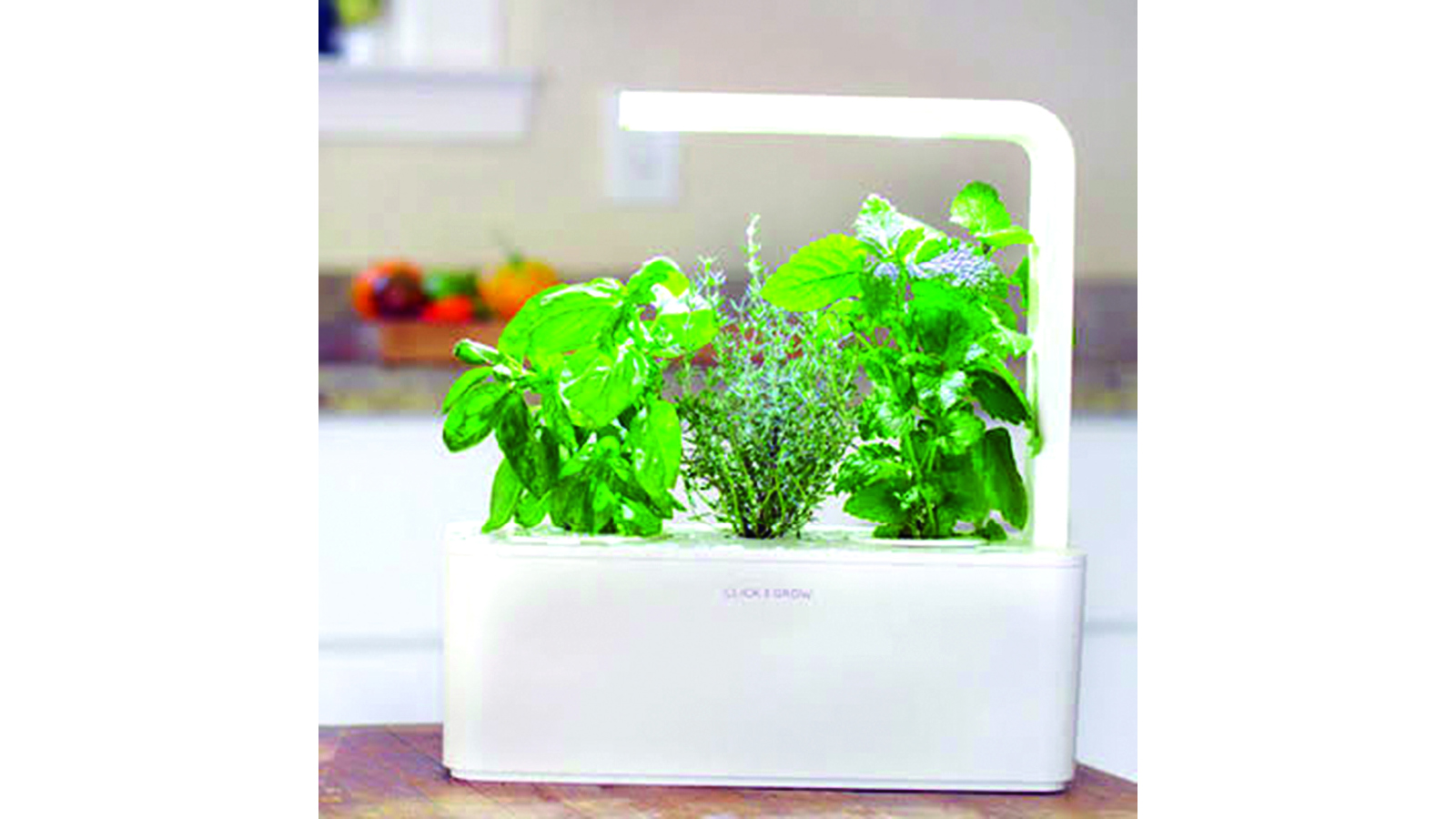
Andrew Mangwarara
FEW people realise that we have already entered a technological revolution that is rapidly transforming how we conduct many activities, including routine tasks like gardening.
New, advanced robotic lawn mowers have entered the market.
These devices can operate automatically without human intervention, mowing the lawn continuously unless manually switched off.
The composition and health of the soil are now managed with high precision.
Soil sensors can be installed to measure critical parameters, including nutrient levels, pH and moisture content.
This data is automatically relayed to a computer system that performs corrective processes, delivering the necessary components to the soil to ensure optimal plant nutrition.
Furthermore, modern hydroponic setups operate entirely without soil, representing a fundamental shift in contemporary plant cultivation methods.
Disease and pest control have become significantly easier to manage.
Computerised applications and sensors can detect the presence of pests and diseases, and immediately offer solutions, automatically delivering the correct insecticide or fungicide until the infestation is eradicated.
Technological advances now allow for mechanised soil preparation and planting, enabling a single individual to monitor and manage vast tracts of land.
Smart irrigation systems deliver the precise amount of water required by plants, eliminating the need for manual watering.
Automated systems allow sprinklers to irrigate the garden even in the owner’s absence.
Other robotic tools, such as the weeding robot, use solar power to eliminate weeds without the need for chemical herbicides.
Additionally, incorporating daylight switches automates lighting, removing the necessity of manually operating switches every day.
For the home gardener, smartphone applications like PlantSnap or Gardenise assist in plant identification and ensure that specific plants receive the correct care protocol.
On a much larger scale, drones can monitor expansive fields.
The real-time images and data they provide offer the immediate insights needed for intervention, which is a far more efficient and less physically demanding process compared to traditional human scouting.
These technological advancements, however, demand high capital investment, which currently makes them unaffordable for most income groups.
Despite the cost barrier, implementing these new technologies offers numerous advantages, including significant time saving, improved efficiency, greater accessibility for amateur gardeners and high precision in plant care and resource management.
If you would like to be featured in our green-up campaign, contact us on: [email protected] or [email protected]