Trust Khosa
IN the heartbeat of Zimbabwe’s celebrations and in the hollowed silence of its mourning, dancers are always in motion.
They are the unseen pulse of the nation, the living embodiment of its stories, yet their artistry is too often met with a staggering silence of appreciation.
They are called upon to elevate joy and to soothe sorrow, indispensable, yet invisible, celebrated in heartfelt eulogies only after the music of their lives has ended.
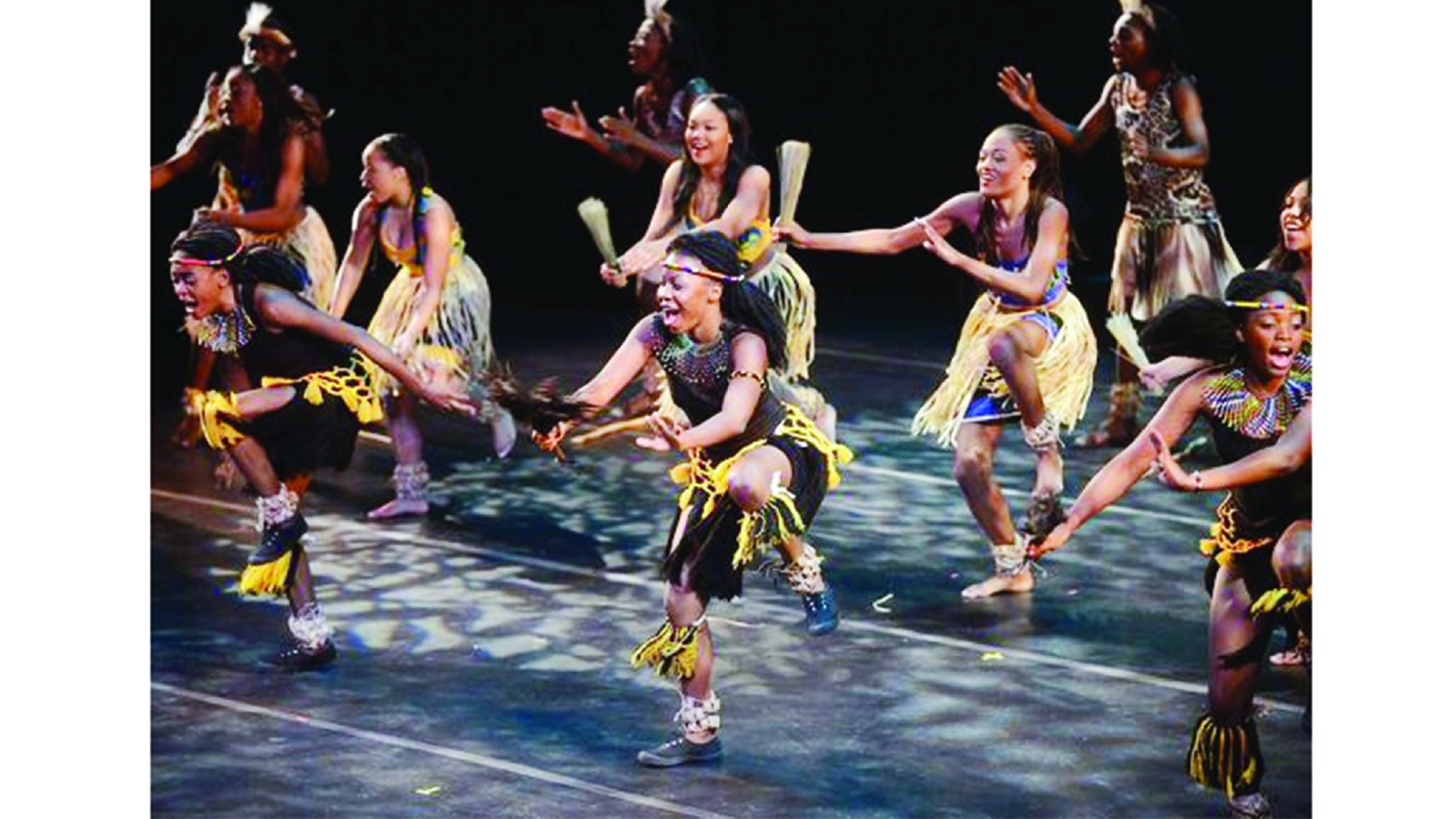
While fortune and recognition consistently elude them, they carry the profound weight of culture on their shoulders, from the ancient, storytelling steps of Jerusarema and Muchongoyo to the disciplined grace of ballet.
Despite the noble efforts of institutions and the dazzling success of a fortunate few abroad, the majority remain in the shadows, their vital contributions fading into the background like a forgotten rhythm.
This is the paradox of the dancer in Zimbabwe: a keeper of heritage and a lifter of spirits, dancing in the light of necessity, yet facing many challenges in their industry.
Their absence now echoes where their art once spoke, leaving a silence that is difficult to break.
Many questions are being asked about whether Zimbabweans value their dancers.
Experts interviewed by Zimpapers Arts and Entertainment Hub shared their views on why dancers are often underappreciated.
National Arts Council of Zimbabwe (NACZ) spokesperson and marketing manager, Agga Nyabinde, believes it is never too late to address the challenges affecting the discipline.
“Lack of professionalism is the biggest drawback for most dancers or groups that don’t take their jobs seriously,” Nyabinde said.
“Most of these dancers start as friends and only realise their potential when they begin to get attention and big shows.
“As such, we urge these practitioners to establish a constitution where each member’s role is well-defined for the continuity of the groups to become a reality.”
Nyabinde urged dancers to create synergies with artists from various genres.
“From my observation, dancers need to step up and start collaborating with various creatives,” he said. “For instance, traditional dancers can easily collaborate with artists like Jah Prayzah, who have traditional acts in their performances, allowing for seamless integration.”
Zimbabwe National Traditional Dancers Association’s long-serving chairperson, Kennedy Kachiruka, who has worked with amateurs, semi-professionals and professional dancers over the years said:
“First, I would like to thank the Government for supporting this sector by inviting us to perform at State functions. We also perform at private functions and airports, where we welcome visitors, which is a plus for us,” he said.
When asked why most groups are struggling to stay afloat, Kachiruka noted that poor remuneration is a major issue.
“We are genuinely asking the Government or the relevant ministry to establish a benchmark regarding dancers’ remuneration. Another problem leading to the disbanding of dance groups is a lack of professionalism,” he said.
“Most of these dance groups or dancers lack professionalism, and competition is another factor that has forced some ensembles to either disband or discontinue. There is also the issue of copycats who can easily steal other groups’ concepts and improvise.”
He urged dancers to diversify and not rely solely on their genre.
“Like any other profession, we encourage dancers not to put all their eggs in one basket, but to diversify if the sector is no longer rewarding. It’s never too late for them to reinvent themselves and diversify,” he said.
UK-based theatre guru and dance instructor, Enisia Mashusha, who was behind the popular Mambokadzi Dance Group, asserted that dance will endure despite the problems it maybe facing.
“I don’t think dance is dying; I think it’s being overlooked. Dance has always been a powerful form of expression and livelihood, but over time it stopped being taken seriously as an industry,” she said.
“As the founder of Mambokadzi Dance Group and one of the pioneers of female dance groups at that time, I saw firsthand how dance could shift mindsets, especially for women. We were not just performing; we were creating space, confidence and identity through movement.”
Mashusha firmly believes the dance sector can be revived and made relevant.
“To revive the dance sector, we first need to recognise dance as real work, not just entertainment,” she said. “Dancers need proper support, fair pay and platforms that value their creativity.
Mashusha said training and mentorship, as well as preserving the stories of those who were involved in the trade before were important for the next generation to learn.
“We also need to embrace the digital space and global opportunities while staying true to our cultural roots,”she said.
“Being based in the UK has shown me how structured support for the arts can help dance thrive both culturally and as a business.
“Dance is still alive; it just needs recognition, structure and respect to grow again.”
IYASA director, Nkululeko Dube, whose group will be celebrating 25 years in the dance industry, called for professionalism and consistency.
“By the way, IYASA is not just a dance group; it’s a school of arts that has been in existence since 2001,” he said. “We continue to produce stars and we have won several awards, still performing at prestigious events, including state functions.
“The First Lady has also honoured us, which shows we are doing an amazing job.”
Dube, who has been at the helm of IYASA, believes professionalism is behind their relevance.
“At IYASA, we have principles that we follow, and we are glad we have several products that are shining both locally and overseas,” he asserted.
Raunchy dancer Beverly Sibanda, who has been in the industry since 2007, believes she has not lost her touch.
“I am a trendsetter when it comes to dance in the club scene; most of the groups used to copy me and would create beef with me to remain relevant,” she stated.
“The decline of most dance groups occurred when I chose not to respond to their social media rants and focused on my work, which saw many of them becoming irrelevant. I am holding a series of packed shows and I’ve realised that I am now a big brand. Dance will never die, but we need to be professional for the good of the industry.”
She urged fellow dancers to embrace professionalism.
“The way we carry ourselves in public matters and we urge groups to adopt professionalism,” she said.
After all has been said, dance, which is under threat, will be recognised for often bringing people together, fostering unity and cooperation among community members. In Zimbabwe, dance is not just an art form, but a crucial aspect of cultural identity, community life and social expression, with deep roots in the nation’s history and present-day dynamics.