Online Reporter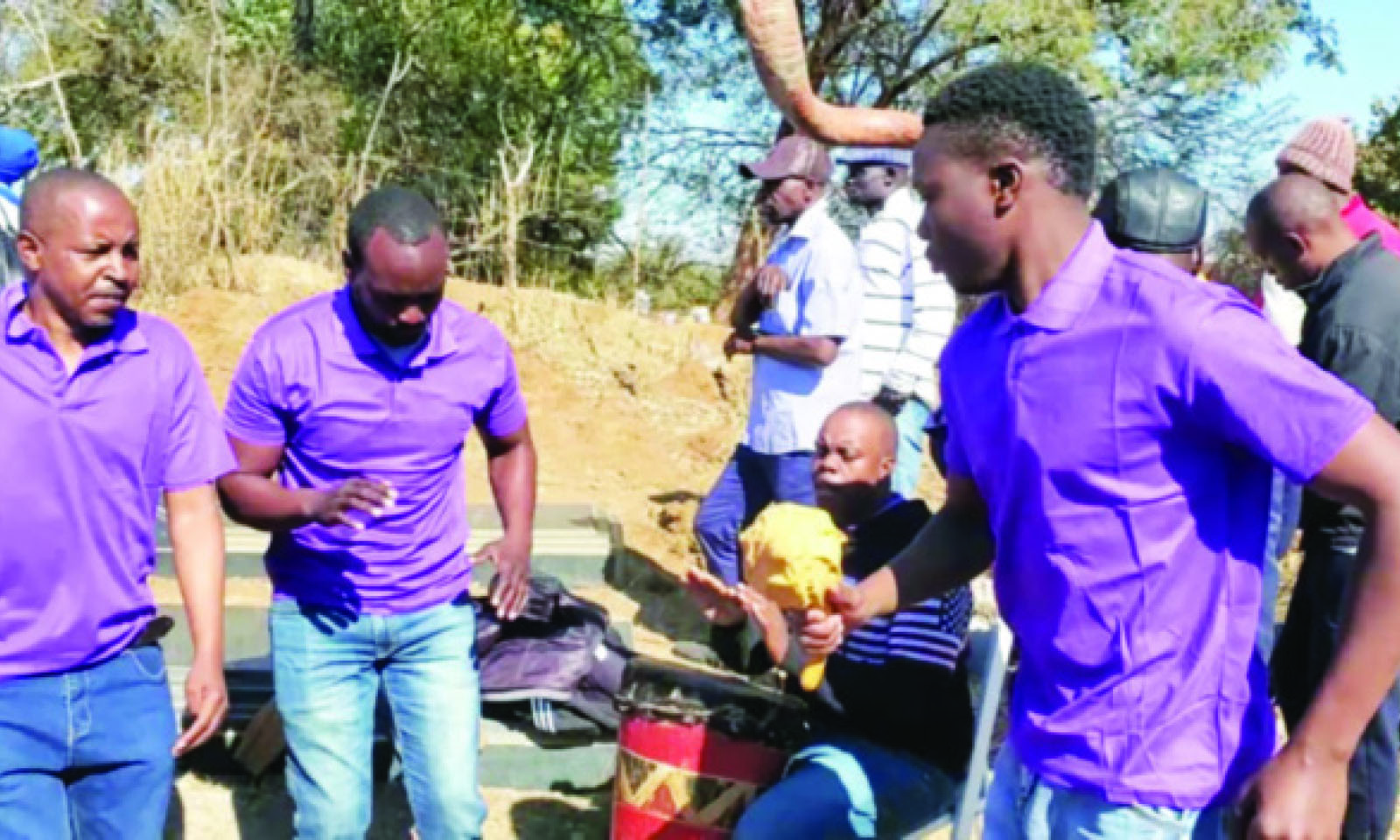
Theseus Shambare
Herald Reporter
Cemeteries — once places of quiet reflection and sombre silence — now resonate with song, drums, laughter and the steady click of smartphones.
At the National Heroes Acre, the solemn grounds transformed into vibrant stages, as families and communities danced around graves, celebrating the lives and legacies of Zimbabwe’s heroes with music, movement and joyous remembrance.
Over the Heroes Day holiday, as the nation honoured its liberation heroes, many Zimbabweans also took time to remember personal heroes — relatives and friends who have passed on.
But the atmosphere at many burial grounds was anything but sombre. Tombstone unveiling ceremonies, once intimate and subdued, have evolved into lively community events complete with choirs, dancing, shared meals — and a new generation of digital storytellers capturing every moment.
“You see these young people everywhere, recording videos, taking pictures, creating reels for WhatsApp, Facebook, TikTok,” said Rev Acub Simba, Methodist Church Mabelreign Superintendent, who officiated at several ceremonies over the holiday.
“They are not just passive onlookers. They want to tell the story of celebration, remembrance, and community online. It is a new way of honouring our heroes.”
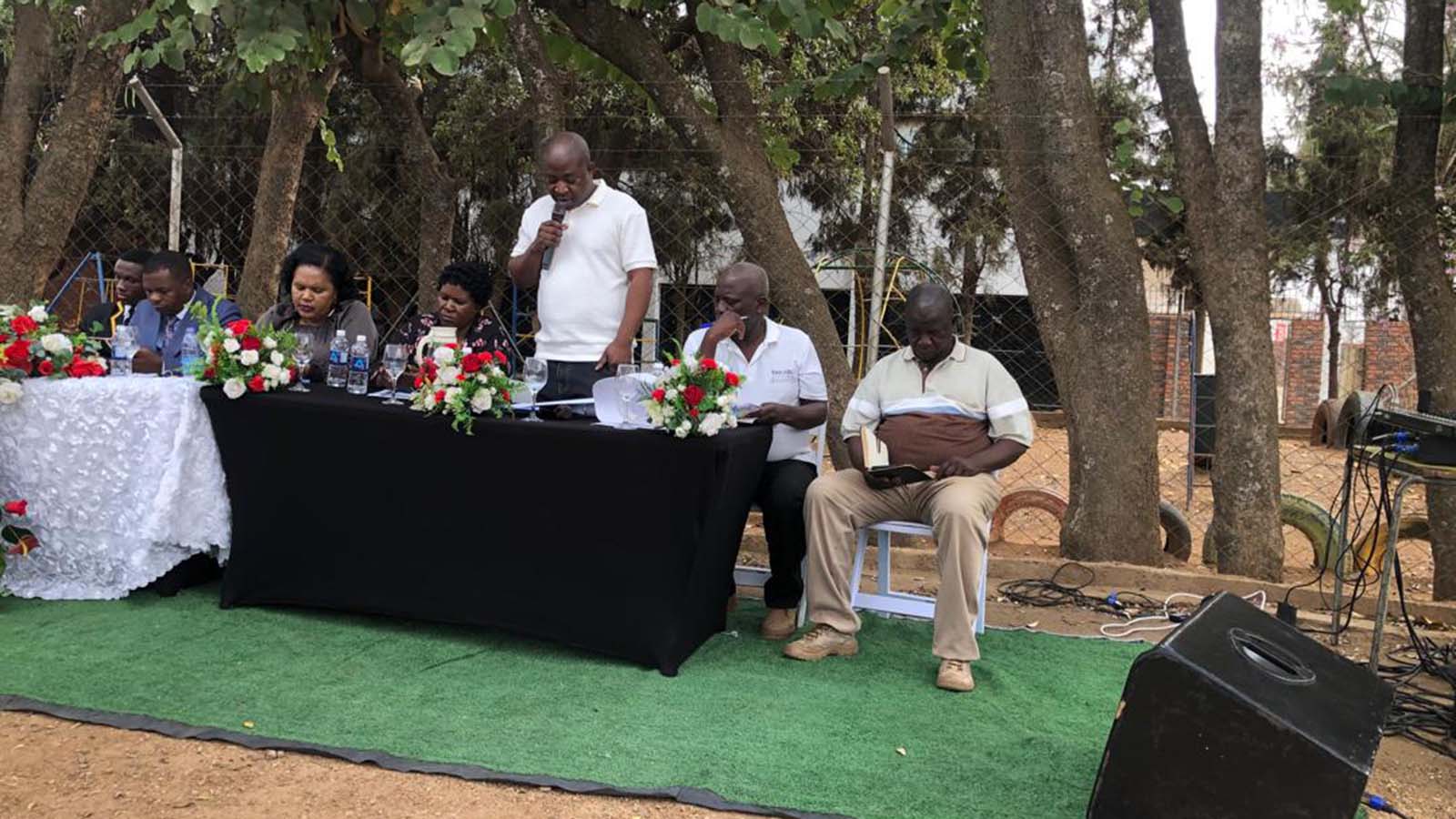
At Maumbe Cemetery under Chief Seke, mourners gathered beneath the shade of jacaranda trees, their voices harmonising with the powerful sound of The Redeemed Choral Group from Epworth.
Nearby, groups of ama2K — the tech-savvy youth — wielded smartphones, capturing smiles, dancing feet and heartfelt moments.
Josiah Tambudzai, the choir’s secretary general, said Heroes Day bookings were confirmed weeks in advance.
“We had four ceremonies in two days. We turned down some programmes due to pressure,” he said.
“Families want music that uplifts, and the youth want to share that energy digitally. These recordings become keepsakes, shared with relatives near and far.”
In the past, tombstone unveilings were quiet affairs, but changing times have brought new energy. The youth see these gatherings as opportunities to showcase culture, community and respect — using social media as a platform to remember and inspire.
“This is also a reunion,” explained Mr Medion Chiota, a friend of one of the deceased.
“We meet cousins we have not seen in years. We eat, sing, laugh — and the young ones make sure the whole world sees everything through their phones. It is no longer about sadness alone.”
Local businesses benefit too — caterers, decorators, sound operators — but now digital content creators add a new layer of livelihood.
Young people film performances, interview family members, and produce vibrant reels that circulate widely, helping reshape how Zimbabweans connect with their history and heritage.
For groups like the Domboramwari Choral Group, led by Kudakwashe Chibatwa, the holiday period is a logistical marathon.
“We move from one cemetery to another,” Chibatwa said.
“The digital coverage helps us reach more people, beyond those physically present. It is hectic, but fulfilling.”
The music varies — traditional hymns, gospel hits, folk songs — but the digital recordings create a lasting archive, preserving memories for future generations.
Anthropologists note this evolution is not unique to Zimbabwe. Across Africa, memorial events increasingly celebrate life, blending faith, memory, festivity and digital storytelling.
The younger generation embraces technology to keep these traditions alive in new ways.
Yet, as the choir’s voices float over the graves, the purpose remains sacred.
Rev Simba said, “Joy does not mean irrelevance. We honour a life. Laughter, music, and even these digital moments help carry grief and keep memories burning bright.
“As Nehemiah reminds us, rebuilding the graves of our ancestors is more than restoring stones — it is about honouring the legacy and memories of those who came before us. Just as the walls of Jerusalem were rebuilt to protect the city, so too do we rebuild graves to protect and preserve the stories of our heroes.
“In doing this, we connect the past and the present, reminding ourselves that their sacrifices continue to shape our future.”
As the sun set, families began to disperse — some scrolling through freshly captured reels, sharing them instantly with distant kin, others packing up instruments for the next stop.
Heroes Day brought music, memory, shared celebration — and a digital legacy of love.