Online Reporter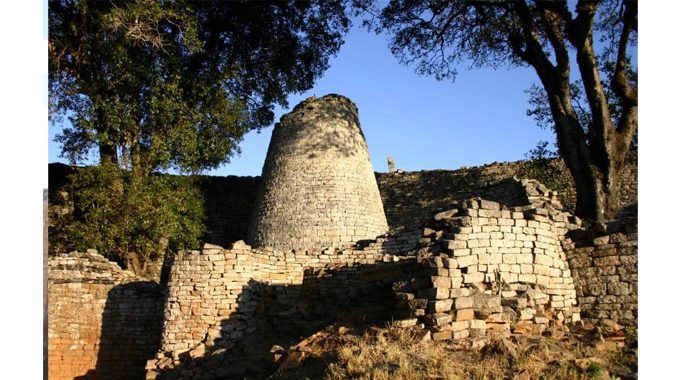
Charles Mavhunga
In the heart of Southern Africa, Zimbabwe stands at a crossroads of opportunity.
As global tourism rebounds and travellers increasingly seek authentic, diverse experiences, the nation`s tourism industry faces a pivotal question: How can Zimbabwe embrace diversity while preserving its unique cultural identity to become a premier destination?
The answer lies in understanding that diversity and authenticity are not opposing forces, but complementary strengths that, when skilfully balanced, create tourism gold.
Countries worldwide have demonstrated that maintaining cultural identity while embracing diversity does not dilute a brand; it enriches it, creating deeper, more meaningful experiences that resonate with today`s conscious travellers.
Global Success Stories: When Identity Meets Inclusion
Singapore exemplifies this balance masterfully. The city-state has built its tourism brand around being a “cultural melting pot” while maintaining distinct ethnic quarters; Chinatown, Little India, and Arab Street, that preserve authentic cultural experiences.
Singapore`s “Uniquely Singapore” campaign celebrates this diversity as its core identity, resulting in over 19 million visitors annually pre-pandemic and consistent rankings among the world`s top destinations.
Similarly, Canada has transformed its multicultural identity into a tourism asset. The “Keep Exploring” campaign showcases Indigenous heritage alongside immigrant cultures, presenting diversity as fundamentally Canadian.
Cities like Toronto and Vancouver leverage their multicultural food scenes, festivals, and neighbourhoods as key attractions, proving that embracing diversity can strengthen rather than weaken national identity.
New Zealand offers another compelling example. The country seamlessly weaves Māori culture throughout its tourism offerings while celebrating its multicultural society.
The “100 percent Pure New Zealand” brand incorporates Indigenous values of environmental stewardship and cultural respect, creating an authentic narrative that attracts environmentally and culturally conscious travellers.
Regional Champions: Africa`s Diverse Identities Within Africa, several nations demonstrate how diversity can enhance tourism appeal.
Morocco has masterfully balanced its Arab, Berber, and French influences, presenting itself as a gateway between Africa and Europe. The country`s tourism strategy celebrates this cultural fusion while maintaining distinct regional identities in cities like Marrakech, Fez, and Casablanca.
South Africa`s “It`s Possible” campaign brilliantly showcases the Rainbow Nation concept, where diversity is the destination`s greatest strength. From Cape Town`s cosmopolitan culture to KwaZulu-Natal`s Zulu heritage and the Western Cape`s wine culture, influenced by Dutch and French traditions, South Africa presents multiple authentic experiences under one unified brand.
Ethiopia has emerged as a cultural tourism powerhouse by celebrating its position as the “Cradle of Humanity” while highlighting its 80 different ethnic groups and their distinct traditions.
The country`s “Land of Origins” campaign presents diversity not as fragmentation but as richness, attracting visitors seeking authentic cultural immersion.
The Strategic Framework: Lessons for Zimbabwe
For Zimbabwe, the path forward requires a nuanced approach that honours the nation`s rich heritage while embracing contemporary diversity.
The country possesses incredible assets: ancient civilisations represented by Great Zimbabwe, diverse ecosystems from Victoria Falls to Hwange National Park, vibrant arts scenes, and multiple ethnic groups, each contributing unique traditions.
First, Zimbabwe must develop a unifying narrative that celebrates diversity as a strength.
The concept of “Ubuntu”, the interconnectedness of humanity, could serve as this overarching theme, positioning Zimbabwe as a destination where different cultures, experiences, and perspectives converge harmoniously.
Second, regional authenticity should be preserved and promoted. Rather than homogenising experiences, Zimbabwe should develop distinct tourism personalities for different regions: the ancient heritage of Masvingo Province, the wilderness adventure of Matabeleland, the agricultural traditions of Mashonaland, and the cosmopolitan culture of Harare and Bulawayo.
Third, inclusive storytelling must be central to marketing efforts. Zimbabwe`s tourism narrative should include Indigenous traditions, colonial history, liberation heritage, and contemporary cultural expressions.
This comprehensive approach attracts diverse market segments while maintaining historical authenticity.
Fourth, community involvement is crucial. Successful diversity branding requires genuine community participation, not superficial representation. Local communities should be empowered as storytellers and experience providers, ensuring authentic cultural exchange while generating economic benefits.
Digital Age Strategies: Reaching Global Audiences
Modern tourism marketing demands digital sophistication. Zimbabwe should leverage social media platforms to showcase diverse experiences through authentic storytelling. User-generated content from visitors experiencing different cultural aspects can build credibility and attract similar travellers.
Influencer partnerships with diverse voices can amplify Zimbabwe`s multicultural appeal to specific market segments. Food bloggers exploring traditional cuisine, adventure travellers documenting wildlife experiences, and cultural enthusiasts sharing heritage site visits can create compelling, authentic content.
Virtual reality experiences could preview Zimbabwe`s diverse offerings, allowing potential visitors to sample different cultural experiences before traveling.
This technology can be particularly effective in international tourism fairs and marketing campaigns.
Implementation Roadmap: Building Brand Zimbabwe
Zimbabwe`s tourism transformation requires coordinated effort across multiple stakeholders.
Government agencies, private operators, communities, and international partners must align around shared objectives. Investment in infrastructure supporting diverse experiences is essential.
This includes improving access to cultural sites, developing community-based tourism facilities, and ensuring telecommunications infrastructure supports digital marketing efforts.
Training programs should prepare tourism professionals to deliver authentic, respectful cultural experiences.
This includes language skills, cultural sensitivity, and storytelling techniques that engage visitors while honouring local traditions.
Quality standards must ensure authentic experiences while meeting international visitor expectations. Certification programs can help maintain consistency while preserving cultural authenticity.
The Promise of Authentic Diversity
Zimbabwe`s tourism future lies not in choosing between preservation and progress, but in demonstrating how diversity and identity create stronger, more compelling destinations.
Through embracing its multicultural heritage while maintaining authentic regional identities, Zimbabwe can position itself as Africa`s premier destination for conscious travellers seeking genuine cultural exchange.
The global tourism landscape rewards destinations that offer authentic diversity with purpose and meaning. Zimbabwe possesses all the elements necessary for this transformation: ancient heritage, natural wonders, vibrant cultures, and resilient people.
The challenge now is weaving these elements into a cohesive brand that celebrates difference while maintaining identity.
Success requires commitment, investment, and genuine partnership with communities. But the reward, a thriving tourism industry that preserves culture while creating prosperity, makes this effort not just worthwhile, but essential for Zimbabwe`s future.
Charles Mavhunga co-authored textbooks in Business Enterprising Skills and is currently studying for a Ph.D. in Management at Bindura University. He can be contacted at [email protected]. Cell:0772989816