Online Reporter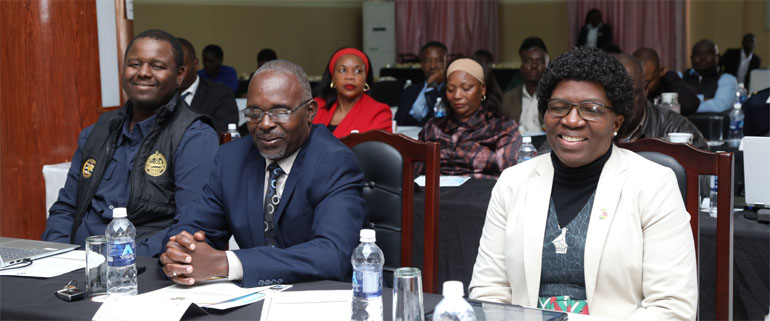
Liberty Dube
Tourism Correspondent
THE Government values stakeholder contributions to the National Tourism Sector Strategy (NTSS) 2026-2030, with current nationwide consultations described as a collective journey to shape a practical roadmap for growth in the tourism sector.
Speaking on the sidelines of the Mutare workshop, the ministry’s chief director, Mrs Tarirai Musonza, said the consultative process demonstrates the Government’s commitment to an inclusive strategy that reflects the needs, priorities and aspirations of tourism stakeholders nationwide.
The consultations, launched recently in Harare by Tourism and Hospitality Industry Minister, Honourable Barbara Rwodzi, have since been held in Mashonaland West, Harare, Bulawayo, the Midlands and Beitbridge. The latest engagement took place in Mutare last Friday.
The ministry is developing the NTSS 2026-2030, an ambitious blueprint aimed at increasing annual tourism receipts to US$5 billion by 2030 through sustainable growth, investment and stakeholder-driven development.
“The ministry, together with the Zimbabwe Tourism Authority (ZTA), is holding a consultative forum to gather input from the people of Manicaland as part of developing the National Tourism Sector Strategy. We see this as a collective journey. The strategy belongs to all of us, and we believe that those working in the tourism industry, along with other Ministries, Departments and Agencies (MDAs), have an important role to play in shaping it. Their contributions will help us produce a practical strategy that drives growth and development in the tourism sector. These are the people who understand the opportunities and challenges facing tourism in their areas. They know what they want to see and what is needed to grow the sector. Our goal is to see tourism grow in a way that benefits everyone, in line with Vision 2030 and the National Development Strategy (NDS2). As you know, tourism has been identified by the Government as one of the key economic pillars under NDS2,” she said.
She added: “That is why we strongly believe that the views of people on the ground are vital. This is a shared journey, and we cannot achieve it alone. It is the people, especially those in the provinces, who have the knowledge and vision needed to drive sustainable tourism growth across Zimbabwe.”
Mutare City Council spokesperson, Mr Charles Sadondo, said the local authority is investing significantly in sports and public infrastructure to support tourism and improve service delivery.
“At Chikanga Sports Grounds, we are constructing tennis and basketball courts as part of our efforts to upgrade sporting facilities across the city. We are also undertaking major renovations at Sakubva Stadium, and once the works are complete, we expect the facility to be able to host national teams and other major sporting events,” he said, adding that this will go a long way in promoting sports tourism and attracting more local and international visitors to Mutare.
“As a city, we are committed to developing the infrastructure needed to support tourism. We also recognise that a clean environment is essential in attracting visitors. To this end, we have strengthened our waste management system and now have a fleet of 16 refuse collection trucks, enabling us to collect waste on schedule. We have also increased the number of refuse receptacles across the city and are pleased with the progress we are making in solid waste management.
In addition, Mutare is providing water for an average of 22 hours a day, demonstrating our commitment to delivering reliable basic services. By improving infrastructure and service delivery, we are creating an environment that supports tourism growth, not only in Mutare but across Manicaland Province,” he said.
Hospitality Association of Zimbabwe (HAZ) Manicaland president, Mr Kurainashe Mugwagwa, who is also vice-president of Youth in Tourism Manicaland, welcomed the consultations, saying it provided stakeholders with an opportunity to help shape the strategy.
“As tourism and hospitality players, we have engaged Government on a number of challenges affecting the sector, and we are encouraged that some of these issues have already been addressed. However, the business environment continues to evolve, making it important to regularly review strategies and policies. We are pleased to see a significant increase in domestic tourism, with more Zimbabweans choosing the Eastern Highlands as their preferred destination. This reflects the growing appeal of Manicaland and its potential to contribute even more to the country’s tourism industry.
“Going forward, we would like to see continued support through incentives such as tax rebates to encourage investment and the refurbishment of tourism facilities. We also believe the new strategy should prioritise digital transformation by improving access to technology, digital marketing platforms and training, particularly for small and medium-sized operators, to help them compete in regional and international markets,” he said.
Permanent Secretary for Manicaland Provincial Affairs and Devolution, Mr Abiot Marange said the consultations provided an important platform for stakeholder input.
“Tourism is on a strong growth trajectory in Manicaland. We have seen major investments, including the construction of lodges and restaurants, as well as the refurbishment of the airport, creating jobs and stimulating economic growth. Tourism is no longer viewed as an activity for a privileged few. More local people are now visiting tourist attractions and appreciating the value of the sector. Going forward, we want to see continued investment, improved infrastructure and greater opportunities for communities to benefit from tourism. We are also encouraged by the growing interest from both local and international investors, which reinforces Manicaland’s position as a leading tourism destination with significant potential to drive economic development,” he said.collective journey