Online Reporter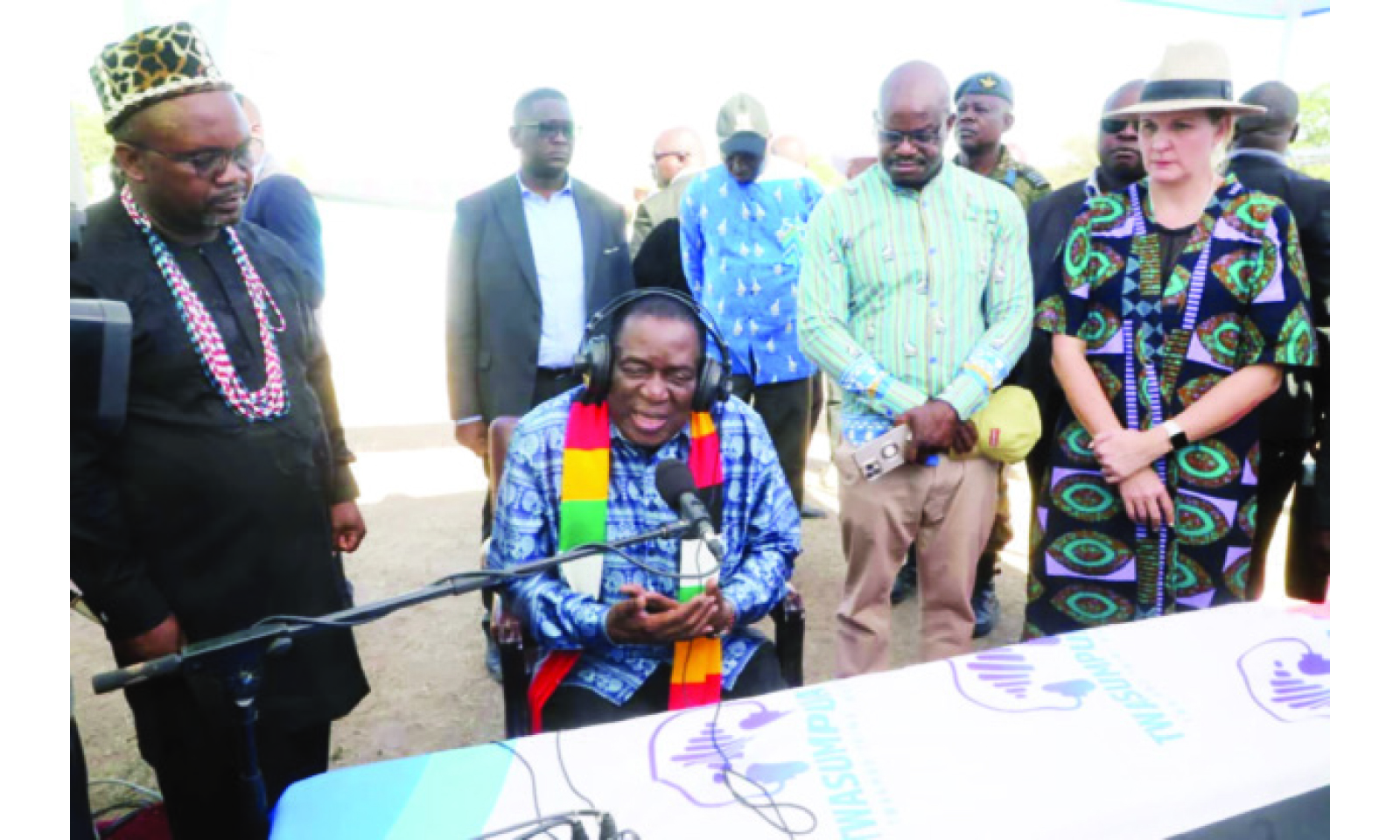
Nick Mangwana
Government Up Close
A Community radio station is a localised broadcasting service that caters to the specific needs and interests of a defined community, often in rural or marginalised areas.
These stations are characterised by their community-driven approach, where local voices, perspectives and issues take centre stage. Community radio stations are not merely entertainment platforms, but vital tools for community engagement, social mobilisation and development.
Community radio stations play a pivotal role in development by providing a platform for marginalised communities to express themselves, access information and participate in decision-making processes.
They serve as catalysts for social change, promoting education, health awareness and economic empowerment. By amplifying local voices and concerns, community radio stations help bridge the gap between communities and policymakers, fostering more inclusive and responsive development initiatives.
Although Zimbabwe enacted the law allowing for community radios in 2001, the country waited for 21 long years before the first community radio station was licenced. This prolonged delay persisted even during the Government of National Unity (GNU) period, highlighting the challenges and obstacles that community radio initiatives faced in gaining traction and official recognition.
The breakthrough finally came in the Second Republic under the leadership of President ED Mnangagwa, who championed the cause of community radios as part of his vision for a more inclusive and participatory media landscape.
Driven by the philosophy of devolving powers to the most grassroots tier of the national administrative architecture, President Mnangagwa’s administration took concrete steps to licence community radio stations, thereby empowering local communities to have radios by the people and for the people.
This bold move marked a significant milestone in Zimbabwe’s media history, opening up new avenues for community engagement, social mobilisation and local development.
The licencing of community radio initiatives under President Mnangagwa’s administration has yielded significant developmental results with 14 community initiatives being licenced and 19 licence capacities allotted to institutions of higher learning, framed as campus radio stations.
To date, 9 of these campus radio licences have been taken up, resulting in 14 community radio stations now on air, alongside 7 operational campus radio stations. There is a plan to roll out at least 7 more community radio stations this year and we then go into communities of interest.
However, the rollout of these community and campus radio stations has not been without its challenges, underscoring the need for ongoing support and refinement to ensure their sustainability and continued contribution to Zimbabwe’s media landscape.
Every licenced Community Radio Station (CRS) in Zimbabwe is bound by a set of content compliance principles aimed at ensuring that these stations serve their intended purpose of promoting community unity and development. These principles are designed to guide the type of content that is broadcast on these stations.
The first principle emphasises community involvement in the selection and provision of content, ensuring that the radio station truly reflects the needs and interests of the local community.
The second principle stipulates that there should be no broadcast programmes or advertisements for any political party, reinforcing the goal of maintaining a neutral and unified community focus. The nature of political content is inherently divisive, which is why the concept of not allowing political content on community radio stations is specifically designed to foster cohesion and unity within the community.
By focusing on development-oriented content, community radio stations can unite people around common goals and interests, such as environmental conservation, community development and social issues that transcend political affiliations.
Content aired on community radio stations should cater specifically to the information needs of the people living within that particular community. This means broadcasting in the languages of that community and using formats that are relatable and relevant to the local population, ensuring that the content is accessible and meaningful to its target audience.
Programmes must be informational, educational and entertaining, and must address community issues. 75 percent of music broadcast should be Zimbabwean, 10 percent from Africa, with a focus on promoting local community music, which supports the local music industry and cultural heritage.
Seventy-five percent of total programming must relate to the community, ensuring that the content remains highly relevant and beneficial to the local population. Community radio stations must provide coverage of community, regional and national news, promoting law and order through responsible programming, which helps in keeping the community informed and safe.
There must be a procedure in place for ensuring that complaints are resolved within 14 days, which ensures accountability and responsiveness to community concerns.
The protection of children from harmful content must be prioritised, safeguarding the well-being of the most vulnerable members of the community. Community radio stations must provide free access to emergency communication services, which is crucial for the safety and security of the community.
Finally, programming must support the social and economic development of the community, aligning with the overarching goal of promoting community cohesion and development through unified and relevant content.
One major issue affecting community radio stations is when Boards of Trustees and establishment teams start treating the station like their personal project. This leads to a lack of accountability to the community, which is problematic because, at the end of the day, these stations are community initiatives, not personal ventures. If individuals have financial claims from setting up the station, they should lodge those claims to get refunded, ensuring the project remains community-focused.
These issues all boil down to governance. To address this, the Zimbabwean Government put measures in place, specifically through SI 39 of 2020, to ensure Community Radio Stations (CRSs) stick to their mandate as community-owned initiatives.
This statutory instrument outlines key conditions for CRS licencees, including representing community interests and encouraging community participation in operations and program selection.
The conditions set out in SI 39 of 2020 are pretty comprehensive, covering aspects like utilising funds for community objectives, networking with other community radio stations and ensuring the station’s premises are secure. To achieve community participation, mechanisms like transparent elections of new leadership at Annual General Meetings are crucial. This regulatory framework aims to keep CRSs true to their community-driven purpose.
Community Radio Stations are massive drivers of development in an area. Let’s take Garahwa as an example. When it was established, electricity transmission network had to be established to fire up the station. That meant that community members could now draw this power to their own houses and projects because it was now near and accessible.
A road had to be carved for people working on the project and this automatically provided a road for the community.
When Transmedia established their transmission tower, mobile network companies started putting their equipment on the tower, improving the mobile network reception in the area. This is over and above the role of the station, which also plays a crucial part in the fight against substance abuse among the youth, informing about methods of farming and animal husbandry as well other noble causes.
The leaders of our rural communities, namely traditional leaders, should be fully involved in establishing and running community radio stations. Having at least one traditional leader on the Board of Trustees, not just as a patron, ensures the station is deeply rooted in the community. This community-centric approach fosters a sense of ownership and accountability.
To sustain these radio stations, the community itself should engage in fundraising initiatives. This not only raises necessary funds but also instils a sense of ownership and moral authority, enabling community members to demand accountability from their Board of Trustees. Encouragingly, the Government has legalised Diaspora community contributions to support the stations’ sustainability, as seen with Radio Bukalanga, where BaKalanga communities in Leicester, UK and South Africa are contributing funds.
For long-term sustainability, community radio stations will benefit from the Broadcasting Licence Fee and the Broadcasting Fund, which will be applied to resource and support their rollout and sustainability. Sustainability is multifaceted, encompassing social, institutional, financial and technological aspects, ensuring these stations continue serving their communities effectively.
Radio is truly the oldest communication media, and in Zimbabwe, it’s the most effective medium out there. Why? Because it’s not disruptive — you can multitask and still soak in the information being shared. Imagine driving your car while listening to the radio or working in the fields with your favourite radio station playing in the background. That’s the beauty of radio; it’s accessible and convenient.
Its effectiveness in disseminating information to everyone, including those in far-flung and marginalised communities, is unmatched. This is why community broadcasting is so crucial. However, it’s super important to remember that this tier should never focus on profits.
Community radio is a not-for-profit project, meaning there should be no fights about money. Nobody should get involved solely to make money or gain political power, and absolutely no party politics should be aired on these stations.
What’s key here is community involvement. Community members should be actively engaged in creating and disseminating content, ensuring the radio station truly serves their needs and interests. The Government of Zimbabwe is committed to supporting these community stations. We won’t allow any station to shut down or be personalised.
Nick Mangwana is the Information, Publicity & Broadcasting Services Permanent Secretary