admin
admin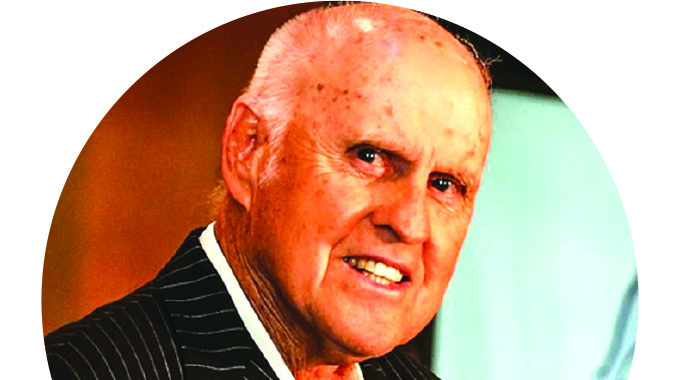
IAN McIntosh, (pictured), a larger than life character who died on Wednesday at the age of 84, should be remembered as more than just the architect of Natal’s rise to the formidable player they became both locally and on the world rugby stage later on as the Sharks.
McIntosh, who coached the Springboks in 1993 and 1994 passed away after a battle with cancer, at the age of 84.
Yes, he was the man who took the old Banana Boys from their former Cinderella status as they won the Currie Cup for the first time in an epic and memorable 1990 final in Pretoria played just three seasons after they’d been promoted by administrative decree to the top table after languishing for several seasons in the B Section.
But he also did the same for South African rugby as a whole. While McIntosh’s style, known as direct rugby, was unpopular at the time that he took over from Professor John Williams as Springbok coach, that was because it was misunderstood.
The concept of a flyhalf lining in on the gainline instead of standing deeper, in the so-called pocket, was alien to the South African rugby culture, possibly a by-product of the sport here being left behind in the years of isolation.
Mark Alexander, President of SA Rugby, paid tribute to former Springbok coach and selector Ian McIntosh.
McIntosh was a rugby pioneer during a coaching career spanning decades that started in the country of his birth, and continued in South Africa — from before until many years after unification — as he broke the mold on many levels.
Despite spending most of adult life in South Africa, the late McIntosh never cut ties with Zimbabwe where he grew up near Bulawayo.
He was one of the brains behind the matches between the Zimbabwean and South African rugby legends, with the first taking place at Hartsfield in 2013, with matches being played in both countries in the years and the last encounter was at Falcon College in Esigodini in July 2018.
Born in Zimbabwe on 24 September 1938, McIntosh had a coaching career spanning decades that started in the country of his birth. He continued mentoring players when he moved to South Africa.
Apart from coaching the Springboks, he also coached the Springbok Sevens team in 2003 – the only man who was head coach of both of South Africa’s senior national men’s rugby teams – and he famously guided the Sharks to their first Currie Cup title in 1990.
He won three more Currie Cup titles as coach of the KwaZulu-Natalians (1992, 1995 and 1996) and he also took the Sharks to the first Super 12 final in 1996, when they lost to the Blues.
In 1993 and 1994, McIntosh coached the Springboks in 12 tests and until last year’s victory, his 1993 Bok team was the last from South Africa to beat the Wallabies in Sydney.
After his coaching days came to an end, McIntosh was a Springbok selector for 13 years, providing mentorship and advice to a number of national coaches on junior and senior level, and he stayed involved in the game through the South African Rugby Legends Association (SARLA).
In 2013, he was presented with World Rugby’s Vernon Pugh Award for Distinguished Service, recognising his achievement in changing the face of rugby in South Africa.
“‘Mac’ left an indelible mark on the global rugby landscape, but even more so in South Africa and with his beloved Sharks,” said Alexander. “He was an intensely passionate rugby man through and through, someone who never stopped learning, coaching, educating and giving back.
“He will be remembered as Springbok and Sharks coach, who plotted the unthinkable in 1990 when the ‘Banana Boys’ beat the mighty Bulls in the Currie Cup final in Pretoria, but later in his life, along with SARLA, ‘Mac’ did magnificent work in uplifting the less fortunate, using rugby as a tool to bring smiles to the faces of thousands of children through the years. “Rest in peace, Master.” — SuperSport.



 Online Reporter