Online Reporter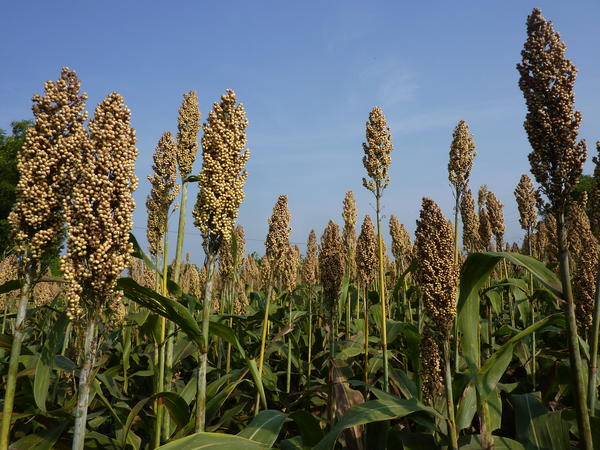
Fairness Moyana in Hwange
TSHOLOTSHO farmers are turning to traditional and neglected crops such as rapoko and indigenous sorghum varieties in a bid to boost food and nutrition security amid climate change and recurring droughts.
The initiative is being spearheaded by the Community Technology Development Organisation (CTDO) through its Enhanced Life Loops and Nutrition Adaptation project, which is targeting 9 500 households in Tsholotsho, Nyanga and Umzingwane districts.
The project is being funded by the German Federal Ministry for Economic Cooperation and Development (BMZ) through Welthungerhilfe (WHH).
Speaking on the sidelines of the Matabeleland North Provincial Agricultural Show in Hwange last week, CTDO district co-ordinator Ms Nkosibusisa Ncube said the organisation was encouraging farmers to adopt climate-smart farming practices while preserving indigenous seed varieties.
“We are promoting small grains, including rapoko, which is an under-utilised species. We also encourage our farmers to save seed for future use,” she said.
Ms Ncube said CTDO had established two community seed banks in Tsholotsho to enable farmers to preserve seed for future planting seasons.
She said seed preservation was increasingly important as farmers faced erratic rainfall and the threat of drought.
“We are currently anticipating a drought in the coming year. It is actually a good thing when farmers start the coming season with seed saved somewhere because if they keep it at household level, there is a high chance that they are going to consume it,” said Ms Ncube.
CTDO project officer Mr Bhekimpilo Shinda said the programme was also seeking to revive traditional crop varieties that had disappeared from some communities because of recurrent droughts and changing farming practices.
“The project is promoting what we call neglected and under-utilised crop species. These include rapoko, which is called finger millet, Tsholotsho bearded sorghum and other traditional sorghum varieties that were traditionally grown by farmers but, because of various reasons, have become extinct,” he said.
Mr Shinda said the crops were well suited to communities facing climate shocks because they were drought-tolerant while also providing important nutritional benefits.
“These are drought-resistant varieties. They are also nutrition-dense, so they provide a lot of nutrients compared to other crops, especially maize,” he said.
Under the programme, farmers participate in field schools where they test different crops and farming methods before selecting varieties that perform best under local conditions.
CTDO is also promoting bio-fortified crops such as NUA 45 beans and orange maize, alongside a variety of vegetables in nutrition gardens.
The organisation is supporting farmers with value-addition equipment, including sunflower oil presses, peanut butter-making machines and threshers.
Mr Shinda said the equipment was helping to reduce the labour burden, particularly for women and young people, while creating opportunities for households to generate income from agricultural produce.
The organisation is also planning to expand its promotion of neglected and under-utilised crops to Binga, Lupane and Hwange under the Agronus project.
“We have another project called Agronus that is coming into the province in Binga, Lupane and Hwange that will be promoting neglected and under-utilised species,” said Mr Shinda.
He said combining indigenous agricultural knowledge with climate-smart farming practices would help communities build resilience and improve their ability to withstand drought and other climate-related shocks.
The revival of traditional crops is also expected to diversify household diets while reducing farmers’ dependence on maize, which is more vulnerable to prolonged dry conditions.