Rutendo Nyeve, [email protected]
ZIMBABWE, as part of the Kavango Zambezi Transfrontier Conservation Area, has received a major shot in the arm following the signing of the Phase 4 KfW-funded KAZA TFCA Programme, which will inject 2 million euros into critical conservation-related projects.
This covers the construction of 10 state-of-the-art ranger housing units set to accommodate 20 families, which are already 80 percent complete at the Zambezi National Park.
The development is set to improve welfare for frontline conservation officers who risk their lives daily to protect the nation’s natural heritage. On Wednesday, the Minister of Environment, Climate and Wildlife Minister Dr Evelyn Ndlovu, toured the nearly completed facilities shortly after witnessing the signing ceremony between the Ministry’s Permanent Secretary, Mr Simon Masanga, and KAZA TFCA Executive Director, Mr Nyambe Nyambe.
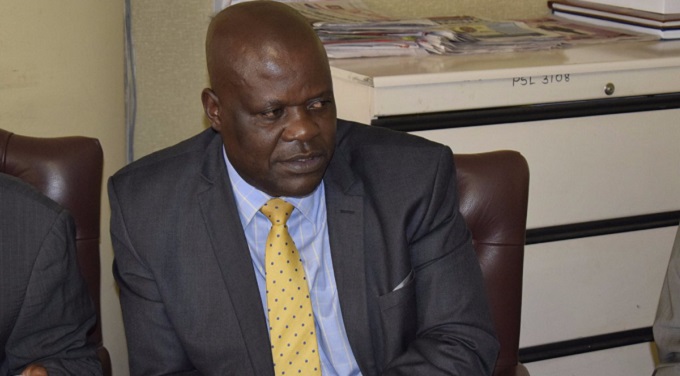
Speaking from the site, Dr Ndlovu said the housing units will have a positive impact on ranger morale and broader conservation outcomes.
“Rangers are part of the scheme; they actually facilitate conservation in our respective countries. These houses came at the right time to transform the rangers’ lives, at the same time transforming the accommodation within the KAZA trans-frontier conservation areas,” Dr Ndlovu said.
“This project will assist us to move on to non-KAZA settlements, I mean conservation areas, and do the same to improve the type of accommodation that we are giving to our rangers and boost the morale of our people.
“You will see the improvement in terms of the ranger activities in the conservation of our natural resources. You will see a reduction in terms of poaching, because if the morale is up, then the poaching will be reduced.”
Dr Ndlovu appealed for further support on broader infrastructure such as roads, schools, infrastructure, and schools within the trans-frontier conservation areas.
“We will also be appealing to our funders to make sure that we come up with the proper infrastructure, which is really of international standards, appreciated by the occupants of these parts,” she said.
Zimbabwe Parks and Wildlife Management Authority (Zimparks) Director General Professor Edson Gandiwa detailed the significant gains recorded under Phases 1 to 3, which saw Zimbabwe benefit from over 2 million euros.
“We have just witnessed already the start of a 10-ranger unit accommodation, which would be able to accommodate 20 families and beyond that, we have been able to conduct our aerial surveys within the KAZA landscape, which has given Zimbabwe the opportunity to know that within the KAZA landscape, we have over 65 000 elephants,” said Prof Gandiwa.
He noted that past funding supported infrastructure, including the nearly completed Hwange Pavilion, vehicles for human-wildlife conflict management, and community projects such as the rehabilitation of Maitengwe Dam.
“Moving forward today, we have seen the signing of additional funding under phase four of the funding, which is committed to 6 million euros within the KAZA states,” he said. “Zimbabwe is set to make just under 700 000 euros of that and it’s going to go to wildlife conservation, which relates to improving the accommodation of vehicles for law enforcement, human wildlife intervention and also the research and monitoring components.”
KAZA TFCA Executive Director, Mr Nyambe Nyambe, praised the high standard of work being executed by a local contractor.
“What we’re seeing here is very good progress, high-quality works that have been undertaken by a local contractor and what is very encouraging for us is that the quality is high,” he said.
Mr Nyambe also cited similar infrastructure projects across Botswana, Namibia, and Zambia, adding that facilities like the refurbished Maitengwe Dam deliver multiple benefits, including water access, ecotourism, and climate resilience.
“Zimbabwe has really demonstrated very well here, working with the local contractor, delivering a very high-quality output. So congratulations to Zimbabwe,” he said.