Online Reporter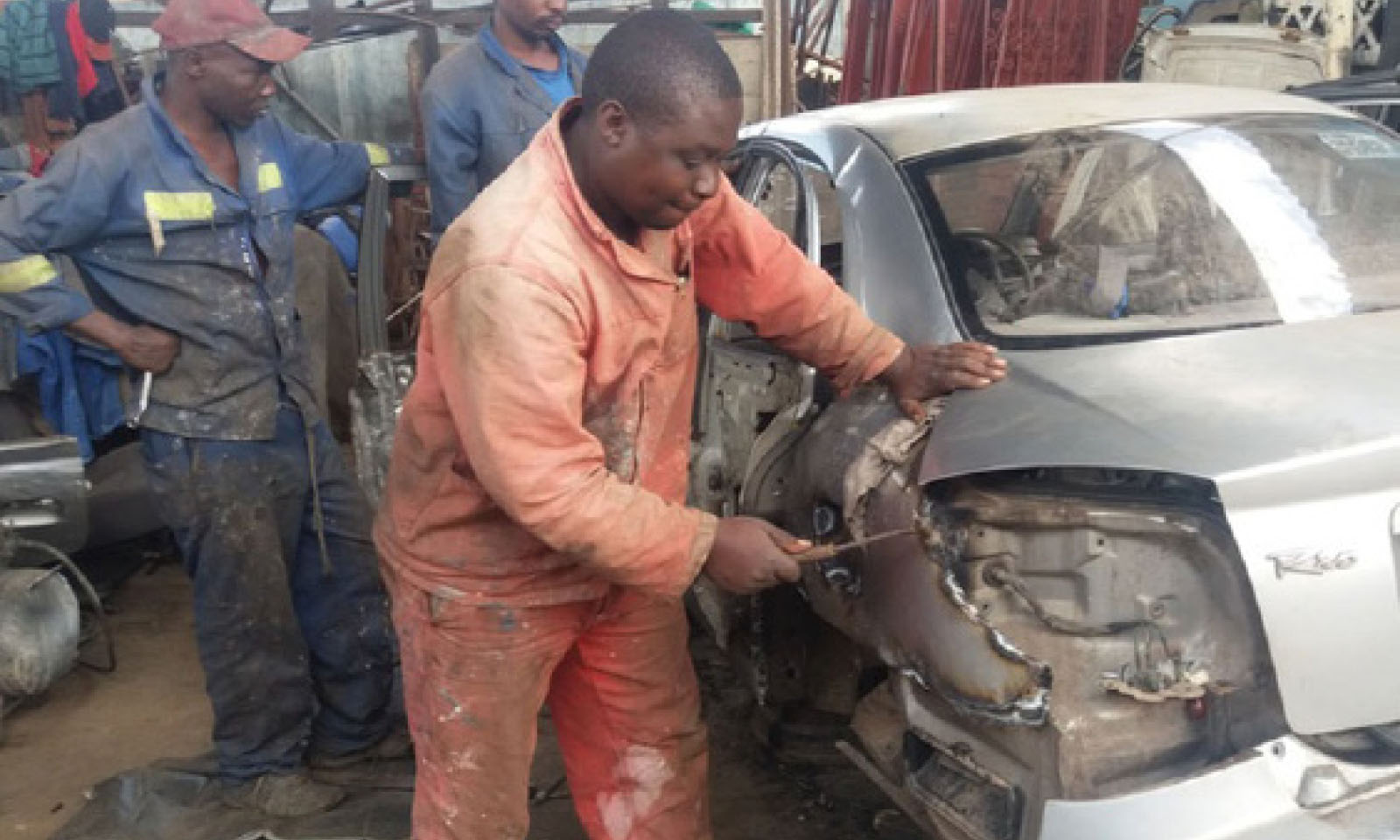
Justin Mahlahla
AS Zimbabwe moves towards Vision 2030, we must confront a fundamental truth about our workforce — some of our most skilled professionals have never set foot in a formal classroom.
The vibrant industrial hubs of Kaguvi Street in Harare, where motor mechanics diagnose complex engine problems with uncanny accuracy, tell an important story about Zimbabwean ingenuity.
These skilled technicians, along with the talented carpenters of Glen View Area 8 and the innovative fabricators of Magaba and Siyaso in Mbare, represent the untapped potential of our nation’s informal skills sector.
Their expertise, developed through years of hands-on experience, deserves formal acknowledgement through the implementation of recognition of prior learning (RPL), a system that has transformed workforce development in countries like South Africa, Kenya and India.
The Ministry of Skills Audit and Development, under the leadership of Professor Paul Mavima, recognises that Zimbabwe’s path to upper middle-income status requires harnessing of all available skills, regardless of how they were acquired.
He has consistently emphasised that our economic transformation depends on creating systems that value practical competence as much as academic qualifications.
This philosophy underpins our push for RPL — an approach that would formally certify the expertise of our informal sector artisans, from Bulawayo’s Renkini carpenters to Mutare’s skilled metalworkers at Sakubva Market.
In Harare, the fabricators at Magaba and Siyaso in Mbare deserve particular attention as exemplars of Zimbabwean innovation.
Using basic tools and recycled materials, these craftsmen create everything from farming implements to household goods, demonstrating engineering prowess that should be formally recognised.
Similarly, the woodworkers in Glen View Area 8 have developed sophisticated joinery techniques through years of apprenticeship and practice, skills that could be elevated through proper certification.
These artisans represent the kind of homegrown industrialisation we seek to promote.
The motor mechanics along Kaguvi Street provide perhaps the most visible example of unrecognised expertise.
These technicians have adapted to technological changes in the automotive industry through self-learning and peer knowledge sharing.
Their ability to diagnose and repair increasingly complex vehicle systems without access to manufacturer training or diagnostic equipment demonstrates remarkable problem-solving skills. RPL would allow these mechanics to gain formal certification that reflects their actual competencies rather than their educational background.
Gazaland in Highfield presents another compelling case for RPL implementation.
The metalworkers in this industrial area have created an entire ecosystem of manufacturing, producing everything from security gates to industrial equipment.
Their skills, often passed down through generations, include metallurgy knowledge and fabrication techniques that equal formal technical training.
With RPL certification, these craftsmen could access larger contracts, better equipment and formal financing to grow their operations.
Beyond Harare, similar stories emerge across Zimbabwe’s provinces.
We find concentrated pockets of specialised skills that have developed organically through years of practice and knowledge sharing.
The urgent case for a national RPL framework is powerfully made in the precise locations where Zimbabwe’s informal economy thrives.
It is evident in the furniture workshops of Bulawayo’s Mashumba and Burombo; the bustling activity at Shasha, next to Renkini; and is mirrored in industrial hubs across the nation. This includes the dedicated Mtapa Home Industry in Gweru, the vibrant Mandava Complex in Zvishavane and the skilled artisans of Mbizo in Kwekwe.
In such zones, countless carpenters, welders, mechanics and miners have achieved high levels of proficiency through pure, hands-on experience.
Despite their expertise being the backbone of local commerce, it remains officially unrecognised, creating a ceiling on their growth and excluding them from the formal economy.
These artisans produce high-quality, sought-after goods, yet their competencies remain invisible to the formal sector, limiting their access to better markets, financing and opportunities for growth.
Implementing RPL would directly transform these local economies by validating the expertise of these craftspeople, providing them with formal certification that bridges the gap between their practical mastery and formal qualifications.
This would not only empower individual artisans with greater economic mobility but also formally integrate this vast reservoir of untapped talent into Zimbabwe’s national skills development strategy, fostering inclusive and grassroots-driven industrial growth.
A national RPL system would directly target these productive epicentres.
By assessing and certifying the skills concentrated in places like the Mtapa Home Industry and Mandava Complex, RPL would unlock access to formal contracts, credit and advanced training.
This would not only empower individual artisans but would also strategically harness these established hubs of innovation for national skills development and inclusive economic growth.
Mutare’s Sakubva Market carpentry workshops produce furniture that finds its way into homes and offices across Manicaland.
These craftspeople have developed specialised skills in wood selection, treatment and finishing through years of working with local timber varieties.
Their knowledge of wood properties and seasonal variations equals that of formally trained furniture makers, yet they cannot access larger markets due to lack of certification.
RPL would change this dynamic, allowing them to compete fairly for contracts and tenders.
The ministry recognises that implementing RPL requires careful planning to maintain standards while being inclusive.
We propose a system where experienced practitioners from these industrial areas help develop assessment criteria, ensuring that certification reflects real workplace competencies rather than theoretical knowledge.
For instance, a Kaguvi Street mechanic would be evaluated on actual diagnostic and repair skills rather than classroom-based automotive theory.
Unlocking opportunities
A critical component of successful RPL implementation will be the national skills database, which will track and verify competencies across all sectors and regions.
This digital platform will allow employers to find certified skilled workers from any part of the country — whether they need a qualified welder from Siyaso or a furniture maker from Glen View.
The database will also help training institutions identify skills gaps and tailor their programmes accordingly.
Financial inclusion represents another major benefit of RPL.
Currently, many skilled informal sector workers cannot access loans or other financial services because they lack formal qualifications to verify their expertise.
A certified mechanic from Kaguvi Street or a carpenter from Glen View would have improved access to capital for business growth, creating a multiplier effect in their communities.
Banks and microfinance institutions could use the skills database to assess creditworthiness based on proven competencies.
The youth employment implications of RPL are particularly significant.
Many young Zimbabweans enter trades through informal apprenticeships in places like Gazaland or Magaba.
RPL would give them a clear pathway to certification and career progression, making vocational paths more attractive.
This could help address youth unemployment while ensuring skills transfer between generations of artisans.
Women in the informal sector stand to benefit tremendously from RPL implementation.
Many female artisans and technicians face additional barriers in accessing formal training and recognition.
The fabricators at Siyaso include numerous women who have mastered metalworking skills — RPL would validate their expertise and help them compete in male-dominated sectors.
Quality assurance remains a key consideration in our RPL framework.
The system will include mechanisms to ensure that certified individuals maintain standards, with options for ongoing skills upgrading.
This might involve partnerships between industry associations and training providers to offer short courses that help RPL beneficiaries stay current with technological advancements.
The economic benefits of formalising informal skills extend beyond individual workers.
Entire industrial areas like Gazaland and Magaba could transition from survivalist operations to sustainable manufacturing hubs.
Local authorities would benefit from increased formalisation of businesses, while consumers would gain quality assurance from certified providers.
International experience shows that RPL systems work best when employers are fully engaged.
We are consulting with industry leaders to ensure that RPL certification meets workplace needs.
The goal is to come up with qualifications that employers value and recognise, making the certification meaningful in the job market.
Implementation will be phased, beginning with pilot projects in key sectors and industrial areas.
The lessons learned from certifying mechanics along Kaguvi Street or carpenters in Glen View will inform nationwide rollout.
This measured approach ensures quality while building stakeholder confidence in the system.
As we develop Zimbabwe’s RPL framework, we draw inspiration from our neighbours.
South Africa’s system has successfully integrated township artisans into the formal economy, while Kenya’s approach has particularly benefitted women in informal sectors.
We are adapting these lessons to Zimbabwe’s unique context, with its rich tradition of informal skills development.
All stakeholders — workers, employers, training providers and communities — should participate in shaping this transformative initiative.
Public consultations will be held in industrial areas across the country to ensure the system meets real needs.
Together, we can build a skills recognition system that truly reflects Zimbabwean realities.
RPL represents more than just certification — it is about valuing Zimbabwean skills, honouring practical knowledge and creating pathways for inclusive economic
growth.
When we recognise the expertise of our mechanics, carpenters and fabricators, we do not just validate individuals — we unleash the full potential of our nation’s workforce.
This is the skills revolution Zimbabwe needs, and the time to act is now.
Justin Mahlahla is the deputy director of communication and advocacy in the Ministry of Skills Audit and Development. He writes in his personal capacity.