Online Reporter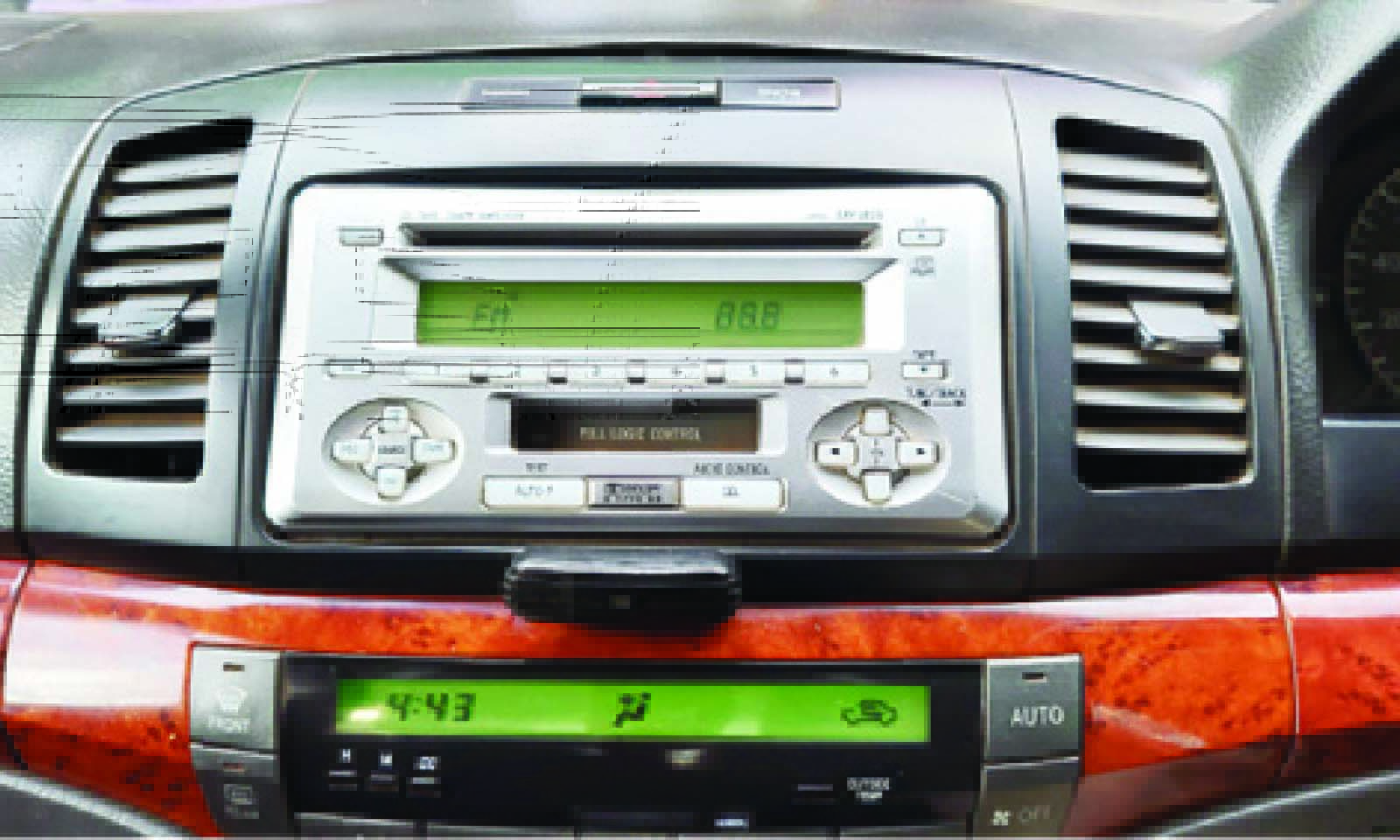
Nick Mangwana
Government Up Close
THE Broadcasting Services Amendment Act (No. 2 of 2025) is now an operational law in Zimbabwe. But its promulgation has been met with a mix of enthusiasm and skepticism. While some have hailed the new law as a much-needed update to the country’s broadcasting regulations, others have been quick to criticize its provisions. However, in the midst of this debate, a curious phenomenon has emerged: many of the law’s detractors have fixated on a single aspect of the legislation, namely the requirement for vehicle owners to purchase a ZBC radio licence before they can get their vehicles licensed to drive on our roads. This narrow focus is not only misguided, but also simplistic, as it overlooks the many other important provisions of the law that are designed to promote the growth and development of Zimbabwe’s broadcasting industry.
In reality, the Broadcasting Services Amendment Act (No. 2 of 2025) is a comprehensive piece of legislation that touches on a wide range of issues, from local content requirements to foreign investment in the broadcasting sector. By reducing the debate to a single issue, the law’s critics are doing a disservice to the complexity and nuance of the legislation. In this op-ed, we will explore the many positives of the new broadcasting law, including its potential to promote local content, support the growth of the broadcasting industry, and enhance the overall quality of broadcasting in Zimbabwe. By examining the law in its entirety, rather than focusing on a single provision, we can gain a deeper understanding of its potential benefits and how it can contribute to the development of a vibrant and diverse broadcasting sector.
A significant improvement in the Broadcasting Services Amendment Act (No. 2 of 2025) is the requirement for the Broadcasting Authority of Zimbabwe to invite applications for licences at least once every year, subject to the availability of band spectrum. This provision was notably absent in the previous Act, which gave the Authority discretion over the frequency of license issuance. As a result, the Authority could go years without issuing new licenses, even when spectrum was available. This lack of transparency and consistency hindered the growth of the broadcasting industry, limiting opportunities for new entrants and innovation.
The new provision ensures that the Authority publishes a notice in the Gazette and a national newspaper inviting applications for licences annually, providing clarity and predictability for potential licensees. This will enable the Authority to efficiently manage the spectrum, promote competition, and facilitate the introduction of new broadcasting services. By doing so, the Act fosters a more dynamic and inclusive broadcasting landscape, allowing a diverse range of voices and perspectives to be represented. This development is a welcome step towards creating a more vibrant and competitive broadcasting industry in Zimbabwe.
The provision requiring a minimum of 10% of programming content to be in officially recognized languages of Zimbabwe, other than Shona and Ndebele, is a significant step towards promoting linguistic diversity and inclusivity in the country’s broadcasting landscape. By mandating that licensees broadcast in languages spoken by various communities, the Act acknowledges the rich cultural heritage of Zimbabwe and ensures that minority languages are given a platform. This provision will help to preserve and promote the country’s linguistic diversity, allowing more citizens to access information and entertainment in their mother tongue.
The provision requiring community broadcasting service licensees to predominantly broadcast in languages spoken by the majority of members of the community they serve is particularly noteworthy. This ensures that local communities have access to relevant and meaningful content that reflects their unique cultural, social, and linguistic contexts. By prioritising local languages, the Act promotes community engagement, social cohesion, and cultural preservation, ultimately contributing to a more inclusive and diverse broadcasting environment in Zimbabwe.
The provision requiring vehicle owners to have a valid ZBC radio license or exemption certificate to register or insure their vehicles has been at the centre of controversy surrounding the Broadcasting Services Amendment Act (No. 2 of 2025). However, it’s essential to note that this requirement is not new. The original Broadcasting Services Act of 2001 already included a similar provision. The key difference now is the enforcement of compliance. Previously, many vehicle owners could get away without obtaining a license, but this loophole has now been closed.
The Government’s intention behind this provision is to increase compliance and ensure that more people contribute to the broadcasting industry. During the Parliamentary processes, Minister Hon Dr. J. Muswere acknowledged that as compliance increases, the level of the fee would be reviewed downwards. This concession recognises that the burden of the fee will be spread among many more people, making it more manageable for individual licence holders.
Another misconception surrounding this provision is that individuals without radios in their vehicles will be forced to purchase a license regardless. However, the Act clearly states that an exemption certificate can be obtained if the vehicle is not equipped with a radio receiver. This ensures that those who do not need a radio licence are not unfairly burdened. By closing the loophole and enforcing compliance, the Government aims to create a more equitable system where those who benefit from broadcasting services contribute to their upkeep.
The principle of universal access and the constitutionally provided for right of access to information are intricately linked to the licence fee, particularly when it comes to the national broadcaster. As the sole entity mandated to reach every Zimbabwean with information, regardless of their geographical location, the Zimbabwe Broadcasting Corporation (ZBC) has a critical role to play in disseminating news, information, and entertainment to the entire nation. To fulfil this obligation, the ZBC must have the financial capacity to operate effectively, and the license fee is a crucial component of its funding model. By ensuring that all vehicle owners contribute to the broadcasting industry through the license fee, the Government can guarantee that the ZBC remains financially capacitated to provide its services to all citizens.
The BBC in the United Kingdom is a prime example of a national broadcaster that relies on license fees to fund its operations. The BBC’s licence fee model allows it to maintain its independence and provide high-quality content to the British public, including news, documentaries, and entertainment programs. Similarly, other broadcasters in the region, such as the South African Broadcasting Corporation (SABC), also rely on licence fees to fund their operations. These broadcasters are able to provide a wide range of services to their audiences, including news, current affairs, and educational programming, thanks to the financial support they receive from licence fees.
In Zimbabwe’s case, the licence fee is essential for ensuring that the ZBC can continue to provide its services to the entire nation. By contributing to the broadcasting industry through the licence fee, vehicle owners are supporting the ZBC’s mandate to provide universal access to information. This, in turn, enables the ZBC to fulfil its role as a national broadcaster, providing critical information and entertainment to Zimbabweans across the country. By linking the principle of universal access to information to the license fee, the Government is ensuring that the ZBC remains a vibrant and effective national broadcaster.
The Broadcasting Services Amendment Act (No. 2 of 2025) embodies the Second Republic’s commitment to an inclusive policy that treats Zimbabweans beyond geographical borders with dignity and respect. A notable provision in this amendment allows Zimbabweans in the diaspora to legally support community radio stations back home through funding. Previously, the law posed a significant barrier, categorizing donations from Zimbabweans abroad as “foreign donations,” thereby restricting their ability to contribute to community radio initiatives.
By amending the definition of “foreign donation or contribution,” the new law empowers Zimbabweans in the diaspora to meaningfully engage with and support their communities of origin. This change not only fosters a sense of belonging and connection among Zimbabweans abroad, but also enables them to contribute to the development of their communities without fear of legal repercussions. This inclusive approach underscores the Government’s recognition of the diaspora’s potential to drive positive change and development in Zimbabwe, promoting a more collaborative and supportive relationship between Zimbabweans at home and abroad.
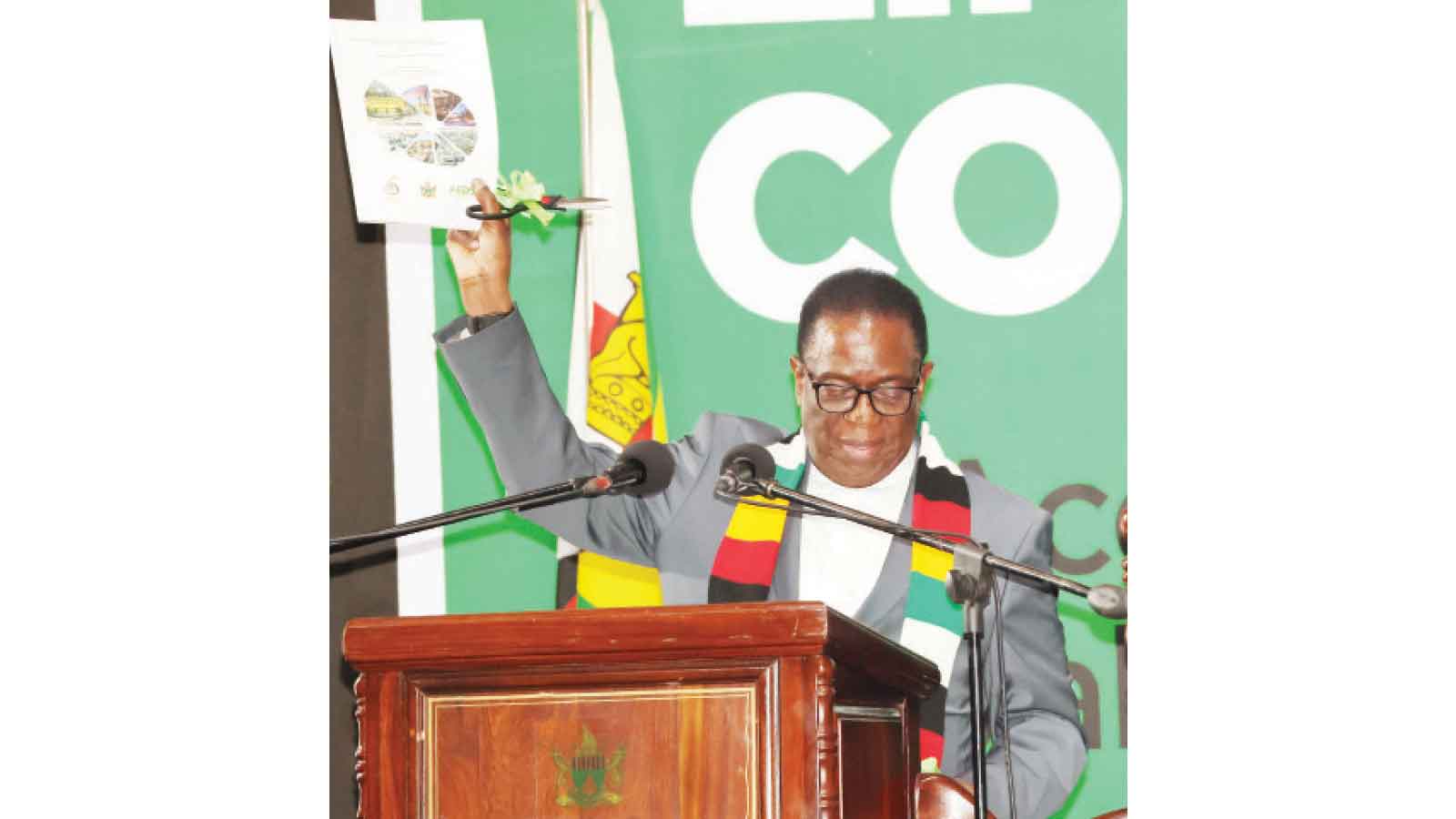
With the enactment of the Broadcasting Services Amendment Act (No. 2 of 2025) and yesterday’s Official Launch of Zimbabwe’s first Integrated Media Policy since independence by His Excellency, President Mnangagwa, the country has entered a new media era. This significant milestone marks a major step forward in the modernisation of Zimbabwe’s broadcasting landscape. As the nation embarks on this new journey, it’s reassuring to note that the main effort is to foster a climate that allows the development of a robust, responsible, and patriotic media space. This endeavour prioritises Zimbabwe’s interests above all else, ensuring that the media sector contributes meaningfully to the country’s growth, development, and prosperity. With this forward-thinking approach, Zimbabwe is poised to harness the power of media to drive positive change, promote national unity, and showcase the country’s rich culture and heritage to the world.
Nick Mangwana is the Permanent Secretary for Information, Publicity and Broadcasting Services