Tendai Gukutikwa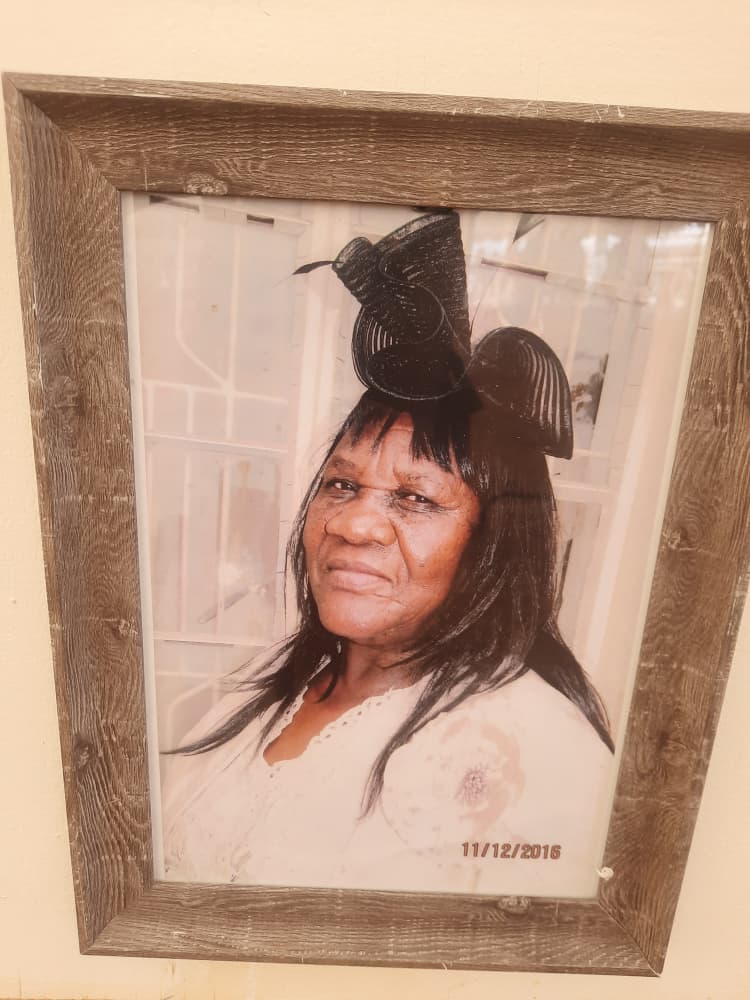
Tendai Gukutikwa
Post Reporter
COMRADE Sabina Nyamutyira was just 14 when she fled to Zambia in 1974, leaving her family behind to join the liberation struggle.
She endured perilous journeys through the Zambezi Valley, and later underwent military training in Mozambique at Tembwe, where she transported supplies and supported her comrades with unwavering dedication.
Cde Mildred Chitsinga, another cadre, survived a brutal attack by the Smith regime at a base in Villa Manica, only to return to the frontline with her resolve unbroken. These women, along with dozens of others, risked their lives to secure the country’s freedom.
Their stories were vividly brought to life on Monday, during the Heroes Day commemorations at the Manicaland Provincial Heroes Acre in Mutare.
The National Museum and Monuments of Zimbabwe (NMMZ) showcased biographies and photographs of 75 female heroines interred at the shrine, alongside their 363 male counterparts.
Acting NMMZ Eastern Region director, Mr Lloyd Makonya highlighted remarkable sacrifices and contributions of women whose stories were often overlooked.
“The display underscores the remarkable sacrifices and contributions of women, whose stories are often overlooked. It is essential that we honour and remember the pivotal role these women played in Zimbabwe’s liberation. There are 438 heroes and heroines at the provincial shrine. Of these, 363 are men, and 75 are women. This exhibition gives the public a chance to learn about their courage and dedication,” he said.
Mr Makonya said the display offered visitors more than just historical context – a connection to the human stories behind the struggle.
Cde Nyamutyira’s unwavering commitment, Cde Chitsinga’s survival against the odds, and Cde Cathrine Mawire’s unyielding leadership as women’s league chair for 35 years, provided a glimpse into the extraordinary contributions of these heroines.
The stories of Cde Sekai Mutowo (Nomercy Muhondo), propelled into the struggle by colonial injustices, and Cde Angellah Chatora, who demonstrated leadership as a section commander at Nyadzonia, were equally inspiring.
Cde Martha Zindi, who joined the war as a teenager, refused to accept the oppressive laws of the settler regime.
Each of the 75 unique stories showcased courage, tenacity, and selflessness, honouring the remarkable contributions of these female heroes.
The exhibition also paid tribute to Cde Stella Chigweshe, who underwent training at Samakweza Camp and later joined the Red Cross, becoming a trainer herself.
The heroines honoured at the exhibition embodied the values of commitment and selflessness, having contributed to the liberation struggle through various roles. These included enduring the hardships of battlefields and foreign camps, as well as providing healthcare, logistics, and political leadership.
Notably, the biographies revealed that women also broke into male-dominated departments during the struggle.
Examples include Cdes Rabia Gweredza and Rona Mutsata, who served in medical and logistical capacities, respectively.
Many young women, denied education by colonial authorities, joined the struggle at a tender age, exemplifying their determination and resilience.
The biographies of Cdes Charity Nyakutombwa, Beauty Sakarombe, and Joyce Maria Chiuma (Zvichapera Zvekuvhaira Mabhunu) highlighted their bravery as they risked their lives on the frontlines of the battle zones.
Mr Makonya emphasised that the exhibition serves both educational and inspirational purposes.
“Young people must understand that the freedom they enjoy today was fought for by ordinary women and men who displayed extraordinary courage. This legacy must inspire our future generations,” he said.
The NMMZ plans to develop a permanent museum and exhibition structure at the Provincial Heroes Acre, ensuring that these stories are preserved for posterity.
Mr Makonya stressed the importance of preserving these stories.
“This exhibition is just the beginning. With the masterplan for the Provincial Heroes Acre, we aim to create a permanent, comprehensive museum that will immortalise the contributions of our heroes and heroines. Their courage must continue to inspire Zimbabweans, reminding us of the price of freedom,” he said, outlining the NMMZ’s future plans.
“We have a masterplan for developments at the provincial shrine, including a new interpretive setup – a space to exhibit our liberation war heroes’ biographies,” he said, emphasising the significance of the exhibitions.
“These events memorialise the efforts of our nation’s heroes and heroines in freeing Zimbabwe from colonialism. Some of these heroines and heroes never made it home, and some even continued to serve well beyond independence. That is probably the greatest honour in terms of recognition that we can give them,” he said, adding that the biographies showcased the wide spectrum of experiences.
“Some, like Cdes Sabina Nyamutyira and Mildred Chitsinga, endured dangerous military campaigns. Others, including Cdes Cathrine Mawire and Rona Mutsata, remained engaged in community and political leadership after independence. Their contributions demonstrate that the fight for freedom extended beyond combat to social and political spheres, and that women’s roles in shaping Zimbabwe were pivotal,” he said.
Families, students, and community members lingered among the graves, placing flowers and reading biographies from the exhibition tent that recounted sacrifice and courage.
Mrs Juliet Sande, who had come with her family to honour her late mother, the late Cde Alice Munyongani, reflected on the exhibition with a mixture of pride and solemnity.
“Seeing her story and pictures here brings back so many memories. We come here every year as we remember and celebrate her life and sacrifices. This is how we continue honouring her memory and the work she did for the country. It fills me with pride to see that her sacrifices are not forgotten and that the younger generation can learn from her example. I hope her legacy inspires others to serve with the same courage and dedication she showed throughout her life,” said Mrs Sande.
For many young visitors, the exhibition offered lessons in courage, patriotism, and leadership. Students and youth groups were seen taking notes and discussing the heroines’ journeys, sparking conversations about the sacrifices made to secure the nation’s independence.
Mr Tendai Chikore (22), who travelled from Mutasa for the commemorations, said he was deeply moved by the courage displayed by the heroines.
“Walking through this exhibition, seeing their photographs and reading about their sacrifices, I felt a deep sense of pride for our country. These women faced unimaginable challenges and yet devoted themselves to the liberation of Zimbabwe. It is inspiring to witness their stories preserved like this, and it reminds us that freedom and peace were earned at a great cost,” he said.
Ms Patricia Nyamupinga (32), a teacher from Chimanimani, shared her thoughts on the educational impact of the display.
“I should have brought my learners along because it is important for them to connect with the real people behind our history. Seeing these biographies and images makes the liberation struggle tangible. It teaches them about courage, sacrifice, and patriotism in a way that textbooks alone cannot,” she said.


 Online Reporter