admin
admin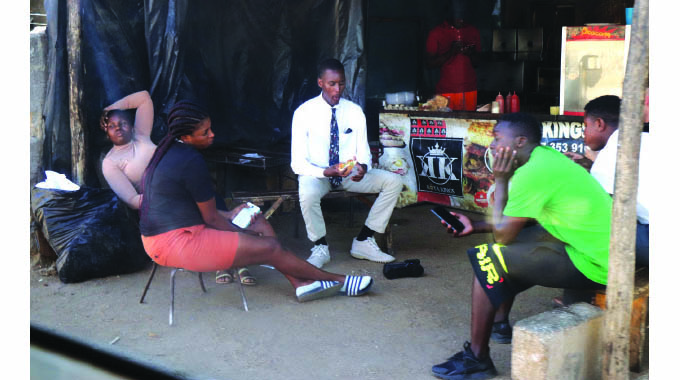
Raymond Jaravaza-Bulawayo Bureau
IT may look like small change to some, but in Bulawayo, a US$1 note is worth more than just its face value.
It is a lifeline for vendors who sell food, second-hand clothes, and even illicit alcohol known as njengu.
These “dollar deals” have created a thriving informal business in the city, providing its residents with goods and services that are affordable and accessible.
Even the formal sector, particularly Chinese-owned shops mushrooming around the central business district, is experiencing the pull factor of the “dollar deal” craze.
These shops sell an array of commodities such as plates, cups, sandals, and socks for just US$1. This has become the new standard for price points in the city.
As a result, a single dollar note is all that one requires to buy a plate of isitshwala with good relish, kitchen utensils, stationery, or even pay for parking.
Priscilla Phiri is one of many vendors in the city benefiting from the dollar deals.
Two years ago, she started selling cooked meals from the boot of her car.
Today, she has regular customers who buy her food every day at lunchtime for just US$1.
She serves office workers, money changers, and college students, selling an average of 60 plates of isitshwala with relish such as beef, chicken, and offals per day.
“You cannot go hungry in Bulawayo when you have US$1, as almost every street corner has someone selling a plate of isitshwala and meat for that amount. I started selling food from the boot of my car two years ago and now have customers who buy our food every day at lunchtime for just US$1.
“People are now used to dollar deals that if I try to increase the price of my food to US$1,25, my customers will simply walk away and buy from someone else,” said Phiri.
She cooks the food at home in Gwabalanda, then drives into the city centre at noon to serve lunch to her regular customers.
Even so, illicit alcohol known as njengu is being sold for US$1 for two by vendors who play hide-and-seek games with law enforcement authorities, as the sale of the illicit brew is illegal.
The njengu is normally stashed under cardboard boxes where cigarettes and snacks are displayed to mask the illegal activity.
“Police will put an end to the sale of illicit alcohol that is sold by vendors who hide it under boxes where they display other items such as jumbo snacks and cigarettes.
“It does not make sense for someone to spend the whole day selling a few packets of snacks unless they are involved in illegal activities, and as police, we will continue to bring to book such individuals who break the law,” said Bulawayo provincial police spokesperson, Inspector Abednico Ncube.
On the entertainment side, dollar deals have also taken the city by storm.
Leisure centres such as the popular koSamuriwo in Luveve suburb sell beer for US$1, making it one of the cheapest tshisanyamas in town.
Even a plate of isitshwala goes for US$1 at koSamuriwo.
The city centre is also home to some joints that sell beer for a dollar, although most of these joints are operating illegally as they do not have liquor licences.
A snap survey by The Herald on Saturday showed that in Chinese-owned shops, an array of products such as plates, cups, spoons, torches, and sandals are sold for US$1.
Stationery for school kids such as pens, pencils and books are being sold for the same amount in various units.
To park in the city centre, motorists pay US$1 for an hour to parking attendants.
The transport sector has also embraced the power of dollar deals as commuter omnibuses charge US$1 for two passengers on several routes such as the City/Mzilikazi or Barbourfields route.
The same goes for passengers travelling to the National University of Science and Technology or the United Bulawayo Hospitals (UBH) and various other routes.
While dollar deals may sound too good to be true, they have created opportunities for vendors to earn a living and for consumers to afford basic goods and services.
It has become a way of life in Bulawayo, making a US$1 note a valuable and powerful tool in the city’s economy.


 Online Reporter