Chronicle Editor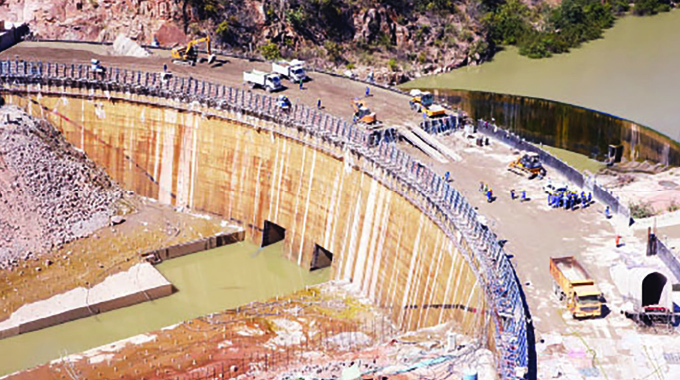
Marshall Ndlela, [email protected]
ZIMBABWE has long been portrayed as a failed state, a label that oversimplifies the nation’s challenges and overlooks the complexities of its history. While acknowledging the hardships faced by Zimbabwe, it is crucial to recognise the multitude of factors that have contributed to its current state. This article aims to provide a comprehensive analysis of these issues, shedding light on both internal and external influences.
Zimbabwe’s struggles can be traced back to the Lancaster House Agreement, a compromise on land expropriation that perpetuated the use of stolen land by the white minority. This historical injustice laid the foundation for the nation’s ongoing struggles with land ownership and distribution.
In an attempt to support independence and contribute to the dispensation of South African elections in 1994, Zimbabwe implemented an expanded land redistribution programme. This programme’s aim was to rectify historical injustices, but faced criticism and backlash from external forces.
Challenges such as droughts and locust invasions have compounded Zimbabwe’s hardships by severely impacting food production. These natural disasters have further exacerbated the already fragile situation within the country.
Despite the difficulties faced, Zimbabwe introduced a land redistribution programme in 2000, benefiting thousands of black Zimbabweans by granting them 99-year land lease agreements and facilitating access to loans for farming.
However, these efforts were met with international opposition, leading to the imposition of illegal sanctions. These sanctions, along with the isolation of Zimbabwe from the global financial system, caused severe economic chaos and unprecedented inflation.
Amid these challenges, Zimbabwe found support from countries such as China and Russia, demonstrating solidarity through their unwavering backing of the Zimbabwean people. Additionally, the Frontline States, recognising the importance of defending sovereignty and independence, have stood in support of the Zimbabwe Government.
It is important to highlight the progress achieved by the Government in areas such as peace, stability, economic growth, black empowerment programmes, land reform and efforts to stabilise inflation and currency. Unfortunately, Zimbabwe continues to be used as a case study for failed states, with little recognition of these achievements.
Opposition political parties have been used by Western powers and their allies to undermine Zimbabwe. From movies to WWE chants, there is a deliberate attempt to discredit the nation, disregarding its progress, economic growth and infrastructural development.
Zimbabwe stands as a shining example in the Southern African Development Community (Sadc), successfully adhering to the principles of the liberation struggle and empowering black farmers in its agricultural sector. The country uniquely embodies the aspirations of its population for independence, unlike many other nations still grappling with economic colonisation by a minority of white descendants, a vestige of past injustices.
It is essential to acknowledge the significant contributions being made by Zimbabweans in the diaspora, who, through their education and expertise, are adding value to their host countries. Their endeavours deserve recognition, as they continue to contribute to various sectors and fuel global development.
Using Zimbabwe as a case study of a failed State oversimplifies the significant challenges it faces while neglecting the complexities of its history and the progress achieved by its Government. It is time to move beyond outdated scare tactics and work towards fostering a deeper understanding and support for Zimbabwe’s journey towards a prosperous future. Marshall Rufura Ndlela is a renowned academic and economist. He can be contacted at [email protected]



 Online Reporter