Online Reporter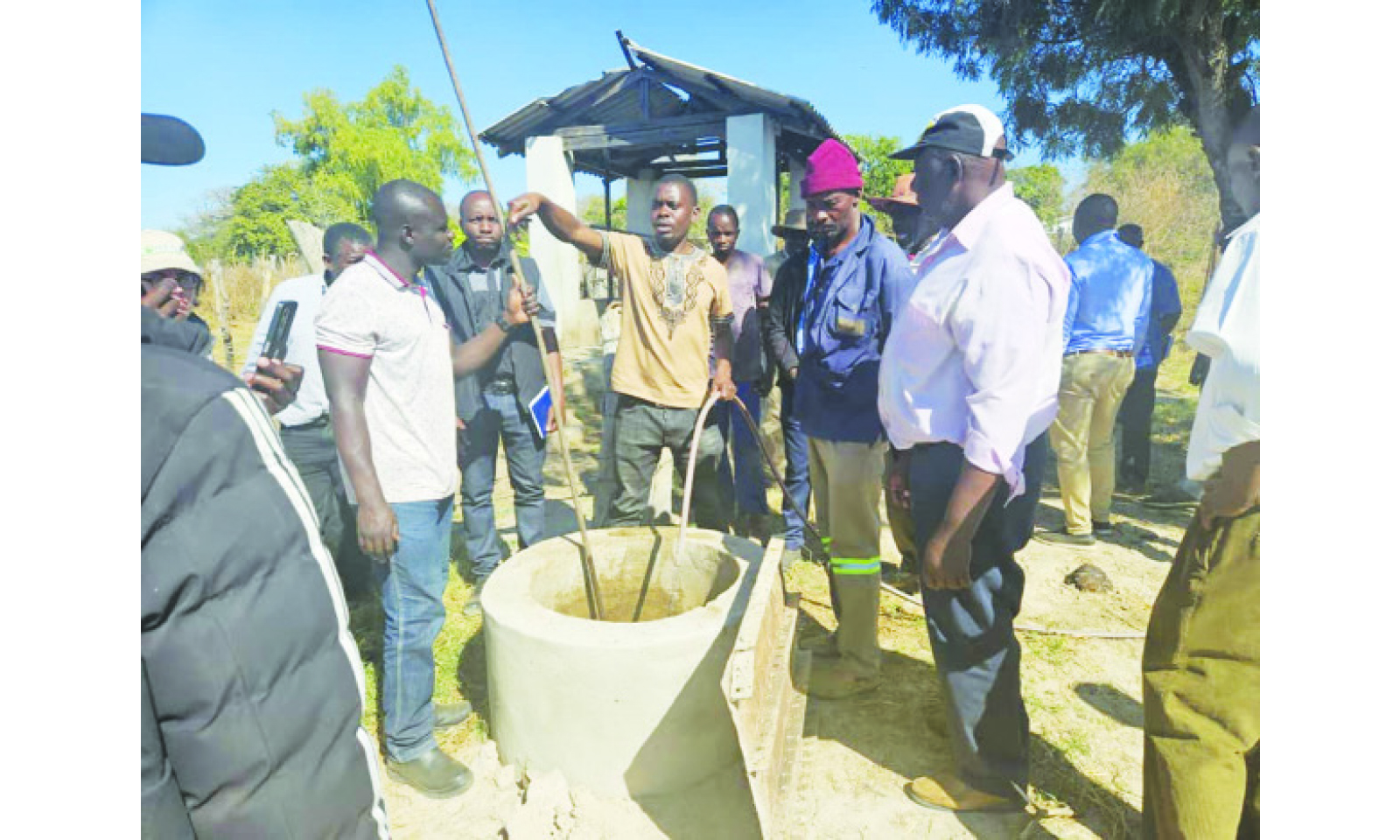
Sifelani Tsiko recently in LUPANE
For years, Senzeni Nyathi (52), a villager from Daluka, Ward 19, in Lupane District, south-west of the country watched helplessly as two business centres at St Luke’s and Kenmaur drowned in plastic waste pollution with no solution in sight to cope with growing pollution levels.
A growing population and increasing consumerism have led to a massive surge in plastic consumption in her ward.
Nyathi never cared much about the waste until she saw cattle that frequently come to St Luke’s and Kenmaur die from consuming plastic.
The death of cattle means the death of her livelihood.
“Cattle are our main source of wealth here in Daluka. We value livestock so much and we become worried whenever there is something that may destroy our wealth,” she said.
“We are putting out more plastic waste into our environment than ever before. We used to think that plastic waste pollution was a problem for people in urban areas such as Bulawayo and Gwanda.
“Now the problem of plastic waste is here with us, here in Lupane, a rural district. We are throwing plastic containers every day more than the day before. There is no destination for it. It’s getting worse and there are mountains of plastic waste that need to be cleared.”
Here in Lupane, there is inadequate waste management infrastructure and a lack of widespread awareness about responsible disposal.
This has resulted in a situation where plastic waste often ends up in landfills, waterways, open spaces close to the business centres and ultimately, the river close by.
There are visible signs of this crisis around St Luke’s and Kenmaur business centres. Streams from the area, once a lifeline for people at Daluka are increasingly becoming heavily polluted with plastic, impacting on pasture for grazing, water and the livelihoods of the local community that depends on it.
Rising consumerism and people using the Bulawayo-Victoria Falls highway have generated significant amounts of plastic wastes affecting the rich biodiversity and vibrant rural culture here in Lupane.
Worried about the alarming accumulation of plastic waste, estimated to be around 69 percent, the Capacitating One Health in Eastern and Southern Africa (Cohesa) programme by the University of Zimbabwe and Cirad, introduced a sustainable waste management project to support St Luke’s Hospital, Kenmaur business centre and the local community.
COHESA is co-funded by the OACPS Research and Innovation Programme, an initiative implemented by the Organisation of African, Caribbean and Pacific states (OACPS) with the financial support of the European Union.
The consortium is composed of the International Livestock Research Institute (ILRI), CIRAD – a French agricultural research and cooperation organisation and the International Service for the Acquisition of Agri-biotech Applications (ISAAA).
It is financed by the European Union and aims to effectively protect the health of people, animals, plants and the shared environment.
Zimbabwe is among 12 African countries that are benefiting from a US$10 million Cohesa project.
At Lupane, the project has supported the establishment of two waste management centres, one at St Luke’s and another at Kenmaur.
The scale and devastating impact of plastic pollution on the environment in Lupane is undeniable.
It’s creating a major threat to both environmental and public health.
“We are so grateful with the level of support we have received from the Cohesa project, which we implemented here together with Lupane State University and Harare Institute of Technology,” said Memory Kaiyo, Environmental Management Agency (EMA) district officer in Matabeleland North.
“This is a great step for Lupane. This project is bound by a community spirit and the centres will be important for waste collection, safe disposal and recycling. Plastic waste pollution is rising and recycling will bring economic benefits for the local community.”
The two waste management centres, run by locals, will focus on more localised solutions – collection, sorting and the use of biogas technologies nearby to convert the plastic into paraffin, floor polish and other products.
Engineer Bright Chisadza of Lupane State University and principal investigator for the Cohesa project said they had contracted Bulawayo Polytechnic to build a thermal chamber that will be powered using a nine cubic metre biogas plant set up at St Luke’s.
“The nine cubic metre biogas plant close to a slaughter pole is now complete and Bulawayo Polytechnic is now building a thermal chamber to help recycle waste and turn it into paraffin, floor polish and other products the local community may want,” he said.
“PET and plastic waste are a huge problem here and we are working with the local community to help them turn trash into resources. We are setting up pipes to supply the thermal chamber with biogas for recycling. All this should help lower waste generation and support local community initiatives.”
Kaiyo said the waste management centres will also help support community clean-up campaigns, promote waste reduction and recycling.
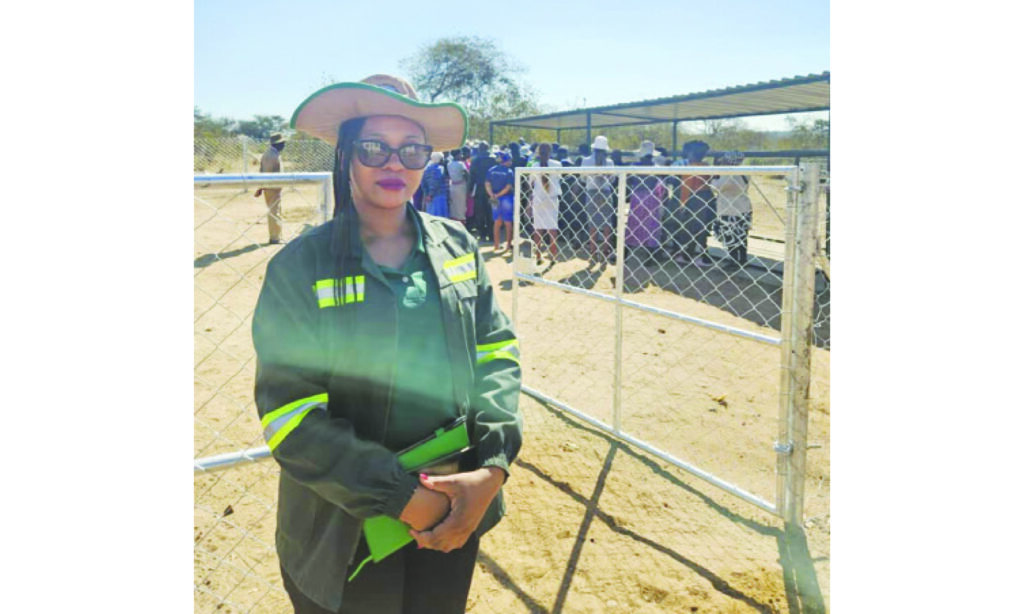
Memory Kaiyo
“A lack of waste management infrastructure in Lupane has led to an alarming accumulation of plastic waste. This pollution deeply impacts public health, devastates ecosystems and hinders socio-economic progress,” she said.
“With the setting up of waste management centres and the thermal chamber, Lupane is charting a new path to sustainable waste management.”
Apart from the waste management centres and the biogas plant, Cohesa is also supporting the rehabilitation of St Luke’s Hospital biodigester to help expecting mothers access clean energy.
The upgrade will help more than 200 women to access clean cooking energy, prevent respiratory ailments and improve maternal health outcomes.
St Luke’s Hospital, a Catholic-run institution provides boarding facilities for expectant mothers, known as “waiting mothers”, who are vulnerable or in poor health and come from the far flung parts of Lupane rural district.
The waiting mothers prepare meals using firewood from a nearby forest reserve for their cooking fuel.
Not only is the smoke from the firewood a danger to the already vulnerable mothers, but collecting the firewood exposes them to risks of attack by wild animals.
The increasing number of waiting mothers exerts increased pressure on the forest resources.
“We are so happy with the support we have received from Cohesa, Lupane State University and their partners. This project has a purpose to light the path to sustainable waste management here at Daluka,” said Thabani Dube, councillor for Daluka, Ward 19.
“We are looking forward to the completion of the thermal chamber. We want our local community to benefit from plastic waste. When they see the value, they will find the energy to pick up plastic waste and help clean up our environment.”
For Nyathi, plastic collection is now a quiet and daily practice. It’s a steady choice which she hopes will clean up the environment and save her cattle.
“We have volunteered to keep this project going.
“We will hold on to a thread of hope even when things get tough,” she said.
“Waste collection, good disposal and recycling is now here in Lupane. It’s a new light that will flicker. But it will remain. We have a new kind of optimism that will endure.”
Step-by-step, she hopes, her community will fight the ugly underbelly of plastic pollution – the dirtiest and least desirable waste in Lupane.