Online Reporter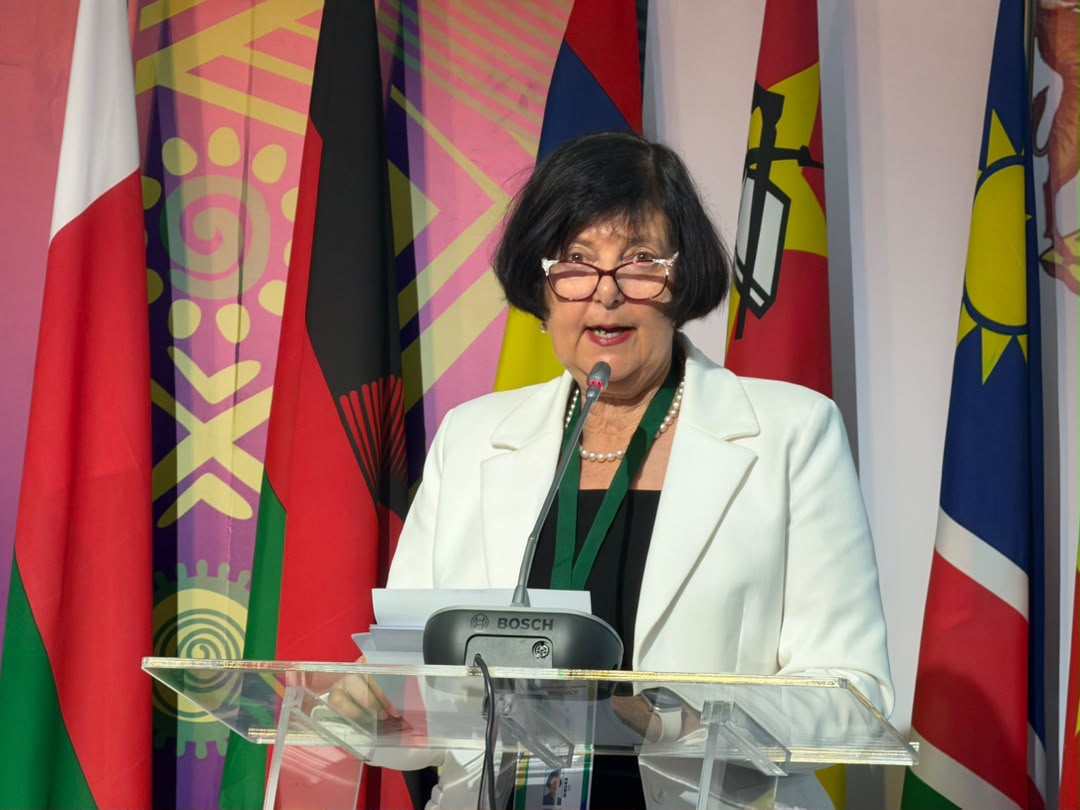
Sikhumbuzo Moyo [email protected]
SOUTHERN African Development Community (SADC) member states have been urged to accelerate the implementation of the Single African Air Transport Market (SAATM) while embracing artificial intelligence (AI)-enabled climate-resilient infrastructure as part of a broader strategy to drive regional integration and sustainable development.
Speaking during a High-Level Ministerial Roundtable Dialogue held on the sidelines of the SADC Cluster Meeting of Ministers at the Zimbabwe International Exhibition Centre in Bulawayo on Thursday, South Africa’s Minister of Transport, Ms Barbara Creecy, said the region must move beyond commitments and focus on practical implementation of policies that unlock economic growth and seamless connectivity.
The dialogue was held under the theme: “Liberalised Skies and AI-enabled Climate-resilient Infrastructure to Accelerate Regional Integration and Sustainable Development.”
Ms Creecy commended the SADC Secretariat for convening the meeting and for adopting a forward-looking theme that reflects the evolving realities of the transport sector.
She said modern transport systems are undergoing a fundamental transformation driven by digital technologies, data analytics and artificial intelligence, with infrastructure increasingly defined not only by physical assets such as roads, railways and ports, but also by the digital systems that support efficiency, safety and resilience.
“Across the world, governments are increasingly shifting from traditional infrastructure planning models to digitally enabled, data-driven systems that allow real-time monitoring, predictive decision-making and improved service delivery,” said Minister Creecy.
The minister noted that transport systems across the SADC region continue to face challenges including ageing infrastructure, congestion, fragmented logistics systems and inefficiencies in cross-border mobility.
She said limited digital integration along regional transport corridors continues to contribute to delays, high transaction costs and reduced competitiveness.
However, Ms Creecy said advances in artificial intelligence and digital public infrastructure present a significant opportunity to modernise transport systems, improve efficiency and support regional integration.
Aviation, she said, remains a critical enabler of trade, tourism, investment and socio-economic development, particularly at a time when demand for passenger and cargo services continues to grow.
Despite growing continental momentum through initiatives such as the Single African Air Transport Market and the African Continental Free Trade Area, the aviation sector still faces challenges linked to high transport costs, regulatory barriers and limited connectivity.
“Addressing issues such as taxes, fees and charges, as well as regulatory and market barriers, is essential if we are to unlock the full potential of liberalised skies and ensure that air travel becomes more affordable, accessible and competitive,” she said.
While acknowledging that African countries have demonstrated strong commitment towards aviation liberalisation,
Ms Creecy cautioned that liberalisation alone would not automatically create connectivity.
She said aviation responds to economic demand and that sustainable growth in the sector depends on broader economic development.
“As Africa, we should pursue SAATM not as a standalone initiative but as part of a broader economic integration and development strategy,” she said.
The minister highlighted the growing threat posed by climate change, warning that increasingly frequent extreme weather events are affecting airport infrastructure, flight operations and overall system reliability.
“Strengthening climate-resilient aviation infrastructure, supported by robust meteorological services and early warning systems, has become essential for ensuring safety, efficiency and sustainability.
“Emerging technologies such as artificial intelligence can significantly enhance weather forecasting, climate analytics and operational decision-making, thereby improving the resilience of aviation systems,” said Minister Creecy.
She called for stronger partnerships between governments, the private sector, development finance institutions and international partners to mobilise resources required for sustainable infrastructure development.
She stressed the importance of improving passenger facilitation through digital systems such as Advance Passenger Information systems and harmonised regulatory frameworks to support tourism, trade and regional integration.
The minister urged SADC member states to harmonise regulatory frameworks, strengthen cooperation and accelerate implementation of infrastructure projects that promote universal access to modern, sustainable and climate-resilient services.
She said such efforts are critical in advancing the aspirations of the African Union’s Agenda 2063 for continental integration, prosperity and peace.
“The decisions we take today will shape the future of aviation in our region. There is a need to pursue SAATM not as a standalone aviation initiative, but as part of a broader economic integration and development strategy,” she said.