Online Reporter
Fadzayi Maposah-Correspondent
There are so many things that we do for others, and so little at times for ourselves.
It seems that we are kinder to others, and very tough to ourselves. At the beginning of this week, I was with a group of women at an event to prepare a young woman who is exchanging vows tomorrow.
Women from various age groups and backgrounds were brought together because somehow they were connected to the bride, her family or went to the same church as she and her family.
They had gone out of their way to look good, and indeed they did not disappoint. When one feels good about themselves, they easily show it.
In greeting one another the women began with: “Makorokoto asikana, taitirwa zvakanaka” (Congratulations, we have been blessed). They were acknowledging what had brought them together, the pending wedding, a blessing.
Then after the congratulations, it was time to ask how the other women was. There were several answers to being asked how one was. Some said that they were kept busy by the children in school, and the homework that they brought.
Such answers were followed by laugher and comments that asked if the homework was really for the children, or if it was for the parents and the guardians since it was hard! The teachers at the event were called upon to answer and all they could do was laugh and then say “batsirai vana” (assist the children). There was talk about the weather.
The Sunday was cool and someone said she hoped that it would remain that way because she did not like the hot weather. Had she reached menopause, someone asked. Why another asked? Menopausal women struggled with heat waves, one answered. Heat waves or heat flushes one asked? Not all of them, another provided answer.
It was wrong to generalise everything, one woman warned. True, another agreed from the back, surprising everyone how she had heard the issues being discussed or was she looking at how she could join the discussion?
Was it not good if someone could give a talk on menopause, one woman asked? I could feel several pairs of eyes drifting to where I sat. I opened my eyes wide behind the spectacles and loudly declared that it was not the day for such discussions.
I was there to celebrate the pending wedding. Could I not just find 10 minutes to talk about menopause, one asked? One added that the new bride would need the information when her time came. There were many laughs all round.
One said that it was not necessary at this point in the bride’s time. She would automatically switch off once people began talking about menopause, another added. She might even think that she was at the wrong event, I said. There was much laughter.
One confessed that as soon as people were asked to go inside where the event was to be held, she would make sure that she was seated close to the window or door so that she could enjoy the event, adding that if she sat anywhere in the middle, it would be a nightmare for her. The hot flushes were affecting many facets of her life, she confessed. When she ate at times, she had them.
When she was just sitting trying to relax, she had them. They were a part of her life and she had become used to them, that when one was on its way, she knew it! Just hearing her was enough to conclude that menopause had happened to her and she felt that she had no control over it. She was enduring it.
I asked her later when we went inside if she was making any effort to get more information on menopause, and she said she had lived experience and what could be more than that? As she answered me, she was fanning herself and edging closer to the door.
Many women are caregivers. They take care of others, husbands, children and other family members. Care-giving is a role that is deemed to be one for females. Women seem (take note I use the word, seem) to be caregivers effortlessly. It seems natural and most do the work without complaint.
Those who are courageous enough to say that they are not able to do it are met with questions that ask what is wrong with them! Those who seek ways to get additional help can be frowned upon even by other women!
Like the woman who talked about the menopause experience being enough, she has concluded that living it is what will empower her. She has concluded that it will give her all the information she needs.
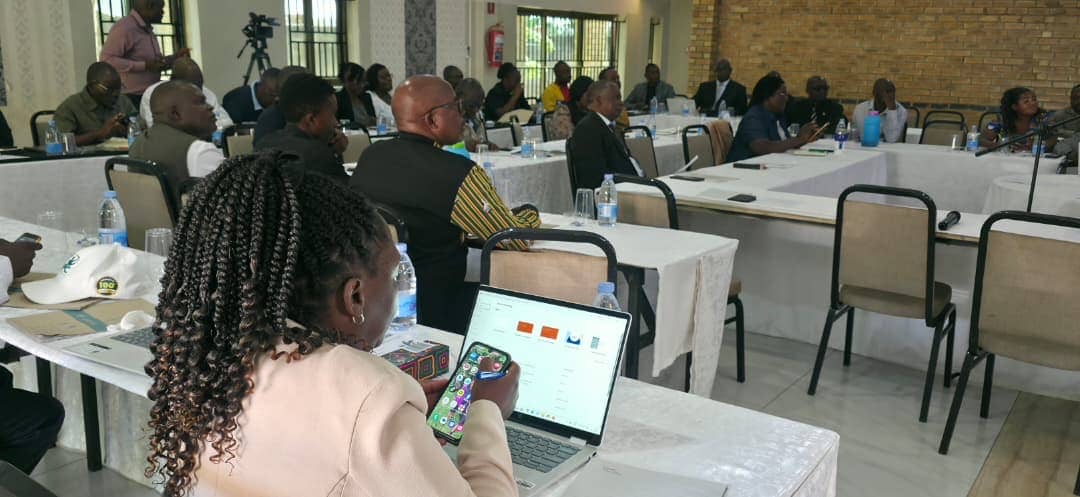
The same women though are at bridal showers with pens and notebooks, taking notes as speakers make presentations, and they do not admit that their lived experiences are enough!
They will read the same notes again when at home, and they will also share with loved ones. They will learn how others are decorating their homes and see what can apply to their lives.
Why is it fine to take notes on the latest pillows to have on your bed then wince when at the same function it is said that taking a break from work, even in marriage, is not sinful or a sign of laziness?
It is different now, the younger women have seen how their mothers, aunts and grandmothers have been affected by hard work, and now choose to do things differently. Younger women are bold enough to say they are tired and they need to take a break.
As the Women’s Month comes to an end, be the woman who is able to take care of their health and all relationships as unresolved issues only lead to bitterness. Take a notebook everywhere you go, take notes that you can later apply in life. Be prepared to learn and never think that your experiences are enough to tell the full story. Take stock of what you learn.
The third month of 2026 is coming to an end, are you able to list any three things that you have learnt since the year began? If not, as the fourth month begins, be open to learning, not for others but simply for you! What we have lived is never the full picture #Women’sMonth