Online Reporter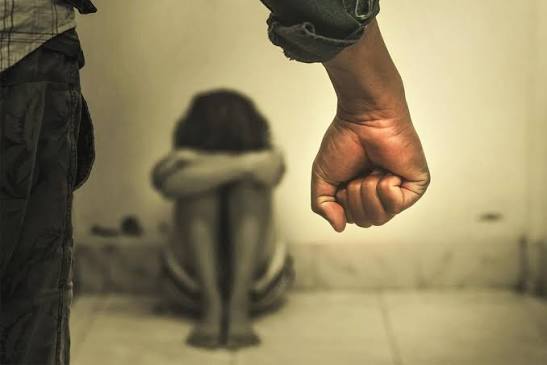
Pauline Nenerai, [email protected]
Every week in Zimbabwe, another story breaks that reminds us our homes are hurting and that women are being assaulted, children are being traumatised, and families that should be raising the next generation are being torn apart by intimate partner violence.
These are not isolated tragedies confined to one suburb or one village, but a national crisis that demands we stop looking away and start taking collective responsibility.
How abuse begins long before the first blow
Abuse rarely starts with a fist, because it often begins quietly with jealousy that masquerades as love, with a partner whose phone is checked daily, with movements that must be explained, with money that is controlled, and with family and friends slowly cut out of the picture until isolation feels normal.
Humiliation creeps in at gatherings and intimidation becomes the tone of everyday conversation until victims begin to shrink themselves to avoid conflict. When these patterns are excused as “discipline” or “a man protecting his home,” they grow bolder and can escalate into injuries, hospital wards, or worse.

The childhood roots that are not destiny
Many men who become abusive did not learn respect in the homes they grew up in, because boys who watched their fathers shout, threaten, or beat their mothers often internalise a dangerous lesson that manhood is about dominance and control. But exposure is not destiny, and across Bulawayo, Harare, Mutare and rural communities, countless men witnessed violence as children yet chose patience over shouting, partnership over control, and repair over blame.
Culture, manhood and the silence around emotions
Our culture also has questions to answer, because for too long we have told boys to “be tough” and “never cry” as if emotions are weakness, and when pain has no language it often finds a voice in anger. Real manhood in a
Zimbabwean context has always been about responsibility, about providing, protecting, and carrying the family with dignity. It has never been about power over a wife or fear in a child’s eyes. We must reclaim that definition in our churches, in dare and khotla, and around our dinner tables until respect becomes the standard.
Poverty is not an excuse for violence
Economic pressure is real, and unemployment, rising costs, and financial insecurity are straining marriages from
Gwanda to Chitungwiza, but hardship does not create violence because millions of Zimbabwean families are navigating the same struggles without raising a hand. Violence is a choice, and the person who makes that choice must be held accountable whether sober or drunk, employed or unemployed.
Alcohol, drugs and the myth of blame
Alcohol and drugs often appear in the aftermath of an assault, and they can make aggression worse, but they do not create the need to control another person because that desire exists long before the bottle is opened. That underlying attitude must be confronted directly with counselling, with community support, and where necessary with the law.
The children caught in the middle
The damage spreads far beyond the couple, because children who grow up hearing shouting, seeing threats, or watching a parent flinch learn that love and fear can live in the same house. They carry anxiety to school, struggle to concentrate, and sometimes repeat the same patterns when they become adults, which means if we do nothing, we are not only failing today’s survivors but raising tomorrow’s perpetrators and victims.
What it will take to break the cycle
Breaking the cycle will take all of us, starting with parents who teach sons that a woman’s dignity is not negotiable and teach daughters that love never requires silence. Schools should make space for emotional intelligence, for teaching boys how to name hurt without shame, and for teaching both boys and girls how to resolve conflict without violence. Churches, apostolic leaders, traditional chiefs and headmen hold enormous influence in Zimbabwean communities, and when they speak clearly that no cultural practice justifies abuse and when they walk survivors to the police station instead of sending them back home, attitudes begin to shift.
The role of men in changing the narrative
Men must also lead within their circles by checking the friend who jokes about “teaching her a lesson,” by walking with the brother who admits he is struggling with anger, and by modelling marriages where decisions are made together, money is discussed openly, and apologies are given without ego.
Silence protects the abuser, but conversation protects the family.
Laws alone are not enough.
Zimbabwe has laws and structures designed to protect victims, from the Domestic Violence Act to victim-friendly units, but paper alone does not change a mindset. Attitudes change when neighbours refuse to laugh off a public argument, when employers allow leave for court dates, and when communities rally around survivors instead of blaming them.
A call to reclaim peace in our homes
A nation is only as strong as the peace inside its homes, because when homes are safe, children do better in class, businesses run with fewer distractions, and communities spend less energy on crisis and more on building. Ending domestic violence is not only the work of Government or the police, but it is the work of uncles and aunties, of pastors and coaches, of colleagues and friends, of every Zimbabwean who believes that love should never hurt.
Let this be the season we choose a different legacy for our families, where boys grow knowing that strength is self-control, girls grow knowing that respect is non-negotiable, and every survivor knows that in Zimbabwe help exists and shame does not belong to them.
If you or someone you know is experiencing abuse, reach out to the police, a local clinic, a trusted church leader, or a support organisation, because you do not have to carry it alone.
lPauline T Nenerai is a counselling psychologist, mental health advocate and founder of MindHarbor Rei Consultants