Online Reporter
IT’S one thing to drop a chart-topper. It’s another to touch a legend’s legacy and get away with it. And in the ever-heated world of remix culture, lines are being crossed, heritage is being remixed, and feelings are getting butchered.
The latest storm brewing in the music teacup? UK-based Gqom and Kwaito maestro Xosti firing heavy shots at South Africa-based, Insiza-born songbird Black Diva, over her controversial rework of Lovemore “Majaivana” Tshuma’s iconic track Uzakufa Kubi.
Her song Thilo Lilo has amassed more than 56 000 views on YouTube, and while that might scream success in today’s social media-driven era, not everyone is clapping. Xosti certainly isn’t — and truth be told, he’s asking the questions that matter.
“There is a lack of respect in remix culture,” he said, and boy, did he open the floodgates.
Let’s get one thing straight: remixes are not the enemy. In fact, when done right, they breathe fresh life into classics, bridge generational gaps, and introduce young listeners to heritage sounds. They can be tributes, tributes that honour and uplift the original creator — not steam-roll them into obscurity with club beats and lyrical detours.
But the moment we start remixing for views, and not reviving with reverence, that’s when we lose the plot.
Majaivana’s Uzakufa Kubi isn’t just a track. It’s a lament. A protest song. A painful mirror held up to society. And when Black Diva decided to spin it into a dancefloor-ready track without preserving its soul, somewhere, something cracked.
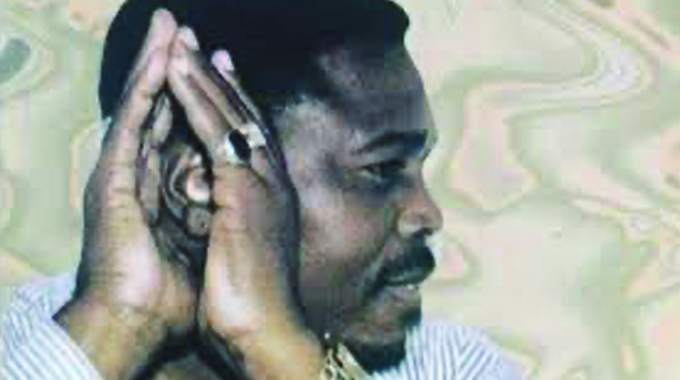
Xosti, who has walked this path before with his cultural gem remake Emkhayeni, didn’t just criticise. He offered context. He gave credit to Diva’s vocal talent, even hinted at wanting to collaborate. But he also called a spade a spade: “You can’t just slap some beats on a masterpiece and call it a remix!”
We couldn’t agree more.
Yes, Black Diva’s version is catchy. Yes, it might be lighting up TikTok and dancefloors in Jozi. But should that be enough? Are we measuring art by the number of likes and views, or the depth of its message?
This debate is bigger than one remix. It speaks to a growing crisis in the arts: shortcuts, surface-level interpretations, and a thirst for viral fame at the expense of substance. Our classics — especially from legends like Majaivana — are sacred, not templates for TikTok content.
But let’s also be fair. Remixing is risky. It takes guts. And maybe, just maybe, Black Diva thought she was honouring the great. But intention alone isn’t enough when dealing with icons whose music spoke for a generation.
What we need is remix responsibility. It’s time to hold artistes accountable when they mine our musical archives. If you’re going to dig into history, do your homework. Know what you’re touching. Respect the message. Respect the legend. Respect the struggle.
Black Diva is talented — no doubt. But talent must be paired with awareness and intention, especially when the past is involved.
So yes, Xosti may sound harsh to some. But someone needed to say it.
In an era where everything is a remix, let’s remember that not everything should be. Some songs are not just melodies — they’re memories, movements, and mantras. Let’s not butcher them in the name of clout.